Women in agriculture living in the Andes: between critical issues and values
Affiliations
- 1 Independent researcher, Peru
The Journal of Terraced Landscapes volume 1, issue 2, pp. 8–31 (2020) · Cite this article
- 139 views
- 122 downloads
- DOI10.5281/zenodo.8059487
Abstract
Women in agriculture have always played a fundamental, significant and irreplaceable role. A large percentage of women live in rural areas and contribute to family values, well-being and the development of the rural economy.
This work is the result of field experience and large research concerning terraced areas and traditional agriculture, based on interviews and conversations with farmers, women and agricultural workers. The article aims to highlight critical phenomena concerning the loss of traditional knowledge in the research areas and such losses can negatively impact community cohesion, social and cultural values.
The paper highlights how some groups, associations, women’s committees try to face these problems with the support of the institutions through three significant concern: biodiversity, sovereignty and food security.
Keywords
- terraces
- women
- traditional knowledge
- biodiversity
- sovereignty
The Andean mountains are the orographic element that characterizes all the geographical and human aspects of Peru: the mountainous area is identified by a vast extension of high lands, narrow valleys with high peaks and deep gorges.
The heterogeneity of the geographical environment and the need to manage it systematically has led the Andean societies to develop a local strategy by designing an agricultural calendar for the main ecosystems, identifying different ecological indicators for different agricultural practices through the adaptation and acclimatization of crops at different ecological levels1 and managing to create microclimatic conditions suitable for the domestication of plant and animal species2.
The geography of the Inter-Andean valleys is not uniform and the presence of several ecological zones introduces a factor of vertical complementarity3, which integrates production (economic and social) in different ecological niches along the mountainside. The complex and sophisticated agricultural and water techniques that allowed cultural development which are signs of landscapes that testify to a notable rationalization and management in the use of space and resources of which today’s societies still make large use.
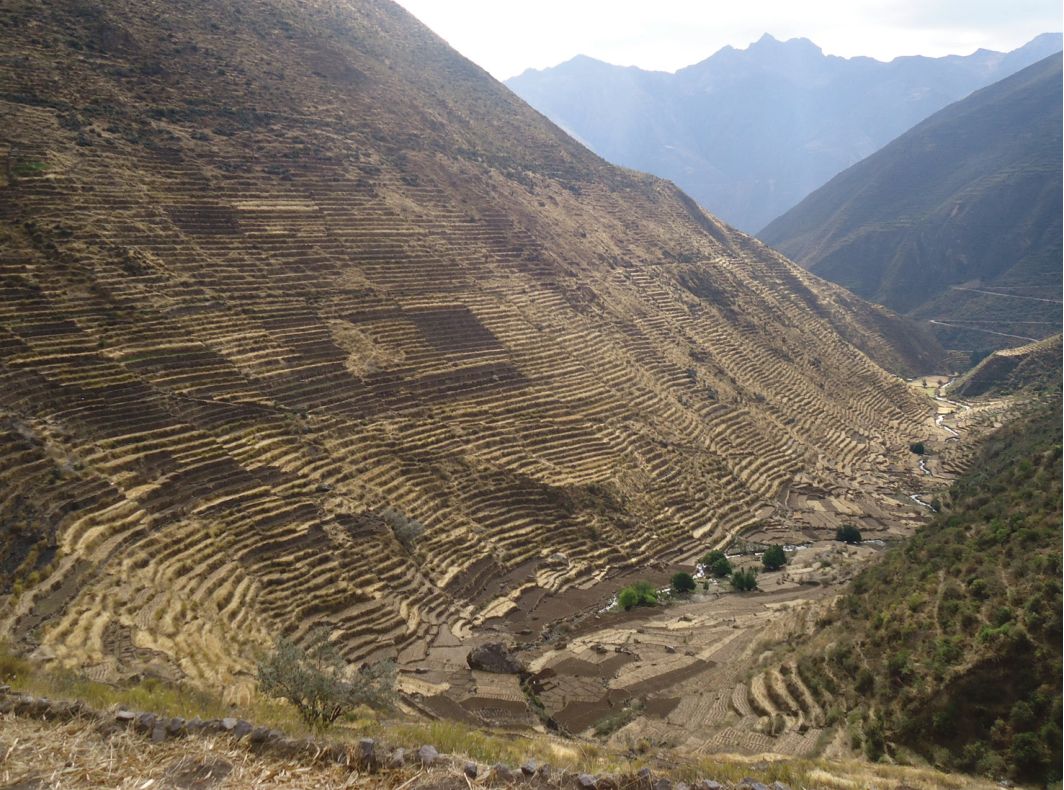
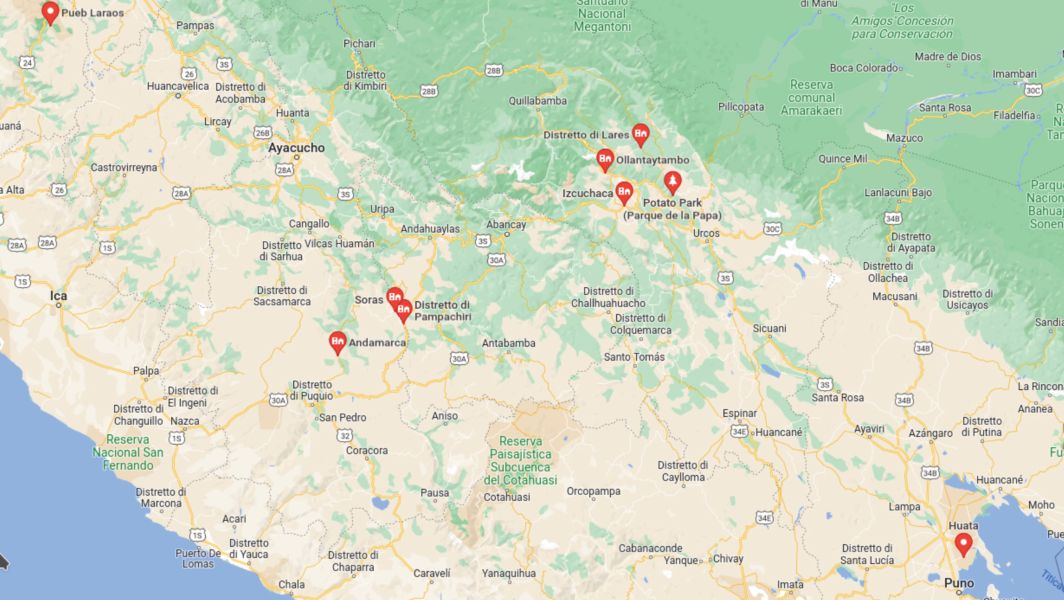
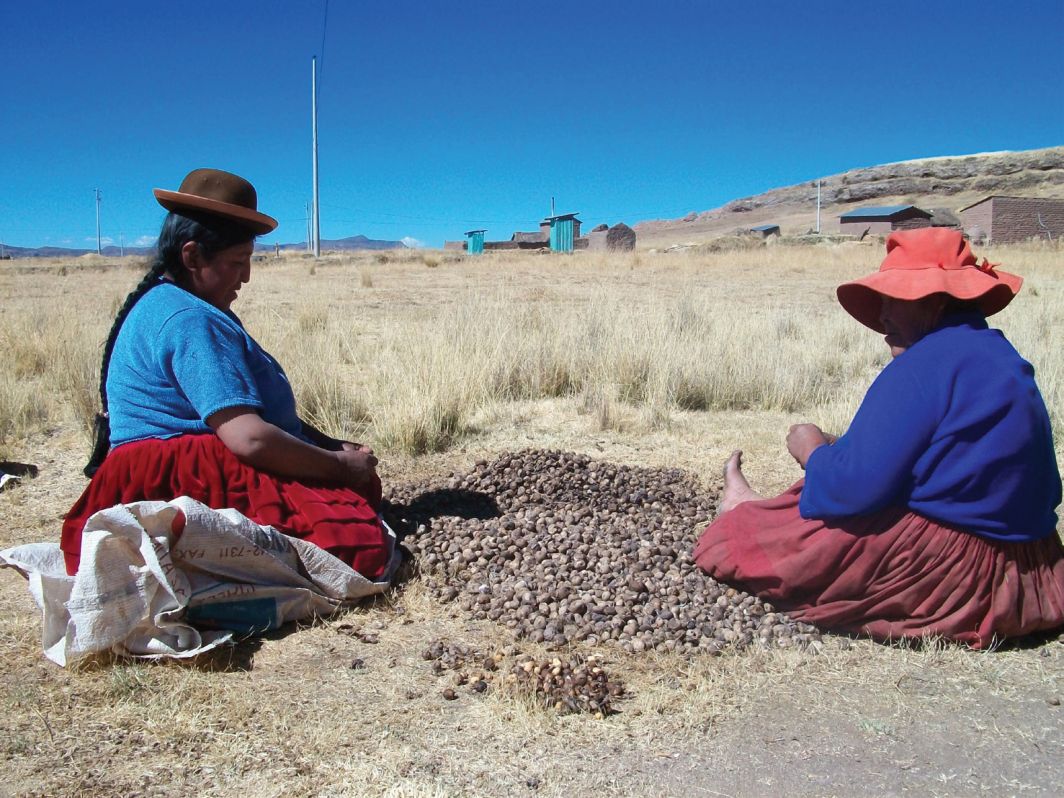
The communities under this study are located in various inter-Andean valleys of Cusco, Ayacucho, Apurimac and Lima regions (Figure 1) and have a large presence of terraced slopes (Figure 2). The presence of raised fields4 is a feature of the Puno plateau landscape, it is a traditional multifunctional technology used in flood areas to allow agricultural production.
The situation of the study locations reflects the state of rural communities in Peru. There is a condition of constant persistence of rural poverty despite the rapid economic growth experienced in recent decades, peasant families have serious social and economic inequalities with limited access to natural resources.
Based on these premises, the objective of the work is aimed at identifying the ways in which some communities try to face the harmful effects of the loss of traditional knowledge and skills. Actions to restore and preserve their knowledge promote and enhance traditional agricultural systems in terraces and raised fields as well as the sustainable use of biological diversity. It also seeks to highlight the significant contribution of rural women through their work in agricultural, livestock and marketing activities.
The methodology used on this research consist of interviews and informal talks with people in various communities of the central Andes and Puno plateau as well as an observational approach to the landscape and customs of the populations in question.
2. Methodology
The finding shown in this article is the result of field experience and extensive research, which shows data that concerns women part due to facts described below.
The survey tools used have been taken considering a qualitative approach: the data collected came from open unstructured conversations and informal interviews with men and women farmers, agricultural operators living in rural communities of the Central Andes of Peru, they carry out traditional agricultural activities on terraces, raised fields and rotational fields. This mode of interaction was considered more appropriate due to their low level of education and the use of their own native language which is predominant in the area of research.
This data collection was performed in different periods: in 2012 a field research was carried out in many communities of the Andean valleys: such us the communities of Pampachiri, Pomacocha and Soras in the Chicha-Soras Valley of the Apurimac Region and Ayacucho, the Municipality of Carmen Salcedo -Andamarca in the Sondondo Valley of the Ayacucho Region, the Municipality of Laraos in the Lima Region, the Municipality of Zurite, Ollanta in the Cusco Region and the Municipality of Huatta in the Puno Region.
In 2014 the communities of Patacancha and the Potato Park in the Cusco Region were visited as part of a field trip of the II Conference on terracing, finally in 2017, the Potato Park and the Lares Valley in the Cusco Region were visited for observational purposes and informal meeting with the farmers participating in the programs of the ANDES Association (Quechua-Aymara Association for the sustainability of livelihoods) (Figure 3). The study areas covered in this research are a complex and heterogeneous space, both from a socio-economic, cultural, geographical and ecological point of view. This complexity poses great challenges to various rural development proposals by public, private and NGO institutions. Communities are also a dynamic space with initiatives, which have the ability to combine financial, institutional, human and social resources in favor of new ways of promoting development. Failed and successful interventions of these developments have left the communities with a precious heritage of experiences that can bring out new ways of improvement through local action and by public and private actors. These improvements will be highlighted later.
3. Traditional Knowledge Criticality
The data collected for this article have been analyzed by identifying some critical aspects concerning the loss of community’s knowledge: impoverishment of the genetic biodiversity of plants and crops, criticality of cultural aspects such as language and traditions, on which women have a fundamental role in transmission to future generations.
Many indigenous knowledge are at risk of extinction due to rapid changes in natural environments, rapid economical, cultural and political evolution on a global scale. Practices vanish as they become inadequate and their competitiveness diminishes to new challenges due to their slow adaptation.
Several examples of loss of knowledge due to political, economic, social, cultural factors etc. are described below.
The agriculture had played an important role in the Andes for the development of the first civilizations in Peru that developed production systems and technologies suited to the diversity of the mountainous environment. In the 16th century, with the collapse of the Inca civilization, meant a halt to innovations in agriculture. The indigenous and mestizo population was marginalized and isolated in the haciendas5 producing traditional crops and whose productive capacity never recovered from the disruption caused by this event. Agriculture in Peru underwent significant changes during the 1960s. The Agrarian Reform6 was the most important change project of the time, however it was weakened by internal contradictions and deep-rooted bureaucratic structures (Matos Mar and Mejía, 1980).
In the late 1980s and 1990s, neoliberal policies were established by structural adjustment programs of the International Monetary Fund and the World Bank, the markets were liberalized with the subsequent elimination of protectionism for small-scale agriculture. The new export-oriented agricultural policy influenced the internal market which was excluded from any type of development in the sierra. The degradation of natural resources accelerated the erosion of genetic resources; the social organization of the communities collapsed resulting in the loss of their traditions. In 1995 the “new land law” 26505 had as a prelude a debate on the validity and future of peasant communities. Communities were considered by liberalism as obstacles to development as it perceived that collective land rights acted as a brake on the formation of a free market and optimal allocation of resources. The transfer of compensatory resources applied for the effects of impoverishment was via the implementation of neoliberal policies, the peasantry became the object of the so-called “social programs”.
During the inspections, Andean farmers expresseded their dissatisfaction with the management of State social programs considered inefficient and incorrectly managed, as there is little control of aid.
Rosa, a shepherdess from Puno believes that: “[...] the aid provided by the state teaches rural populations to idleness; the farmers expect the S/. 100 of the Juntos program which should meet the needs of families in need […]; people are no longer poor as they once were […] and instead they get used to help”. An agricultural worker from Soras declares that “the authorities of the Municipality distribute aid to favor their families, what has arrived for the friaje7 has not been given to the poor [...], this situation has created divisionism in the community”. An Andamarca worker reiterates that “people have become inactive and no longer want to work in their chacras, because they rely on money from social programs”. The benefits recognized by these programs in one hand increase consumption in the short term and better education and health in the long term, but on the other hand it is noted that the effects are palliative and do not change the factors conditions of poverty (Trivelli, 2019) in a short term.
Many of these programs have been aimed at women because their greater responsibility is associated to this social group and above all because the real possibilities that this type of intervention generates processes of autonomous development.
Alcázar and Espinoza (2014) found positive impacts on women’s negotiating skills, more involved in decisions making about home resources; however, it improvements are partial and appear more evident in areas where there are fewer limits set by the rural context and poverty. These impacts are less pronounced where women face greater limitations in extricating themselves due to their mother tongue and where there is less access to formal education.
The extinction of the language is another factor of acculturation. The elimination of linguistic diversity has hindered the transmission of traditional intergenerational knowledge in several ways. The farmers of the Laraos community no longer speak Quechua, their children have never learned it and no one in the community is interested in learning it. Tales, narratives, myths and family conversations are a primary source of oral transmission, and it is above all the women in the rural areas of the Sondondo Valley hold these traditions and pass them on to their children. The family environment is therefore the propitious space where young people learn this cultural background. This knowledge is transmitted in the mother tongue, in fact Quechua is a language that has “a superior ability to express human thought, has words that express feelings and actions that do not exist in other languages”8.
Spanish, being the official language imposed for several centuries, enjoys a socially recognized privilege compared to native languages, which are limited to private and domestic uses. National education continues to be understood as the process of cultural deindigenization (Trivelli et al. 2009), that it is a device in charge of leaving behind the entire Andean cultural heritage which continues to be interpreted as “inferior”, tending to de-legitimize the traditional system.
The economic problems in rural areas see young people having to contribute to family income by migrating to cities to find work and thus contrast the situation of poverty that affects families in rural areas.
The most significant component in the dynamics of the demographic process is the internal migration. There are relationships of dependence and domination to which all rural localities are subordinated to the hegemonic centers (cities, economic enclaves, markets). In this perspective, domination is exercised through the exploitation of labor and the extraction of surpluses; a process which in turn produces the decapitalization of the countryside and its consequent disintegration as an economic, social and cultural unit (Quijano, 1967).
The farmers of Laraos report that the young people leave the community to go to the cities to study and to work in the mines, or they look for other job opportunities in Lima or Huancayo. Even on the Puno Plateau, many farmers especially young males have abandoned traditional agricultural systems and terracing. Seasonally and sometimes permanently, to migrate to the cities and mines to sell their working capacity.
However, migrations do not mean a break in social relations, but rather a deterritorialization of the countryside. The peasants who have abandoned the countryside now live in the city; a woman from Huatta comments: “I come to the countryside because my parents’ land is there and because I like animals, but my whole family lives in the city”, many other families in the Chicha-Soras Valley say that “We are no longer in the countryside but in the city; we come here (in the countryside) every now and then”. Among the families encountered, it seems that the return to the countryside is linked to a question of loved ones, for local holidays and for the surveillance of the property (house, animals, land). Farmers derive their identity from agricultural work because they refer to it by their customs, beliefs, culture; in this sense the earth has a strong subjective component; it binds the members of the community, mutual relations between relatives and friends are preserved, therefore its symbolic meaning transcends that of a productive resource.
One of the greatest threats of traditional knowledge is the loss of biodiversity of traditional agricultural species. The spread of improved varieties, mainly hybrids, have changed the production area and have decimated the local varieties.
This study has found there is a substantial loss of knowledge about the diversity of native potatoes, maize and other crops in the visited areas. Many farmers in Laraos, Andamarca and the Chicha-Soras Valley no longer remember the names of the local potato varieties, they report that processing and harvesting are difficult because the potatoes are small in size, low productivity and yield ago they thus did not have a market for selling. The community of Pampachiri has also lost numerous varieties of corn.
To stock up on seeds, farmers report that: “once they bartered them at village fairs, now they don’t do it anymore [...]”. This exchange of seeds, product ideas and knowledge between communities, mainly in the hands of women, allows to obtain varieties of crops for the subsequent agricultural campaign.
The loss of knowledge of crop varieties is linked to the language knowledge since most varieties of potatoes, corn and other crops have a nomenclature in Quechua and Aymara, the loss of learning of native languages has prevented knowledge diversity of agricultural species.
4. Significant Experiences Around Biodiversity, Food Security and Sovereignty
Traditional knowledge represents a widespread cultural heritage in rural communities; they are linked to a specific territory resulting from shared and non-formalized learning practices. This article refers the knowledge of local cultures that have preserved biodiversity, traditional and artisan products for millennia.
Traditional knowledge refers to two components of the anthropic phenomenon: the first are the practices with which individuals satisfy their material needs; the second are the beliefs that lead to spiritual satisfaction.
In this regard, numerous NGOs, cooperation agencies and, in some cases, the State through social programs have promoted recovery projects. Since the realization of these projects, the inhabitants of the study areas have become aware of the loss of their knowledge and the importance of their resources. Several experiences in which communities have tried to raise critical issues are reported below.
4.1 Biodiversity
The Andes are global biodiversity hotspot areas, home to an extraordinary richness of species and high levels of endemism. The rich biodiversity is found in small agricultural production units extended along the vertical axis of the mountains, both in terraced areas or on the slopes. In Peru, agrobiodiversity includes 4400 native plant species used, 1700 cultivated and 182 domesticated species. Almost 80% of the food consumed throughout Peru comes from the Andes.
Here are some examples about important agrobiodiversity centers in the Cusco Region: The Potato Park9 is located in the Municipality of Pisaq and it is one of the most innovative experiences in which environmental management is intertwined with the empowerment of the native population.
The Potato Park is one of the main centers of genetic diversity of potatoes10, in the park there are 134011 varieties (including potatoes and other tubers), as well as 7 of the 8 known cultivated species and about 32% of wild cultivars12. The Lares-Yanatile valley located in the Cusco Region is another rich biodiversity area that develops between 1000 and 4800 meters above sea level. It is thought to have the highest corn diversity in Peru. Four communities have an estimated total of 95 corn varieties (Swiderska, Stenner, 2019); hundreds of potato varieties and wild relatives. In Pamapacorral, a small community in the Valley, 22 farmers grow a wide variety of potatoes. For example, Mr. Julio Hancco, his brother and their families hold more than 200 varieties each one and together with ANPE (National Association of Ecological Producers), APEGA (Peruvian Society of Gastronomy), CONVEAGRO (National Agricultural Convention) and OXFAM International have understood the possibility of making an alliance between producers and chefs with the aim of establishing gastronomic chains based on the bastions of biodiversity and enhancing the work of the farmer.
The family have a crucial role in social development, it confers on its members various complementary functions. Women participate in all stages of agriculture, especially in the preparation of seeds, in the weeding of crops, in the harvesting and conservation of products.
Some studies (Velásquez et al., 2014, Zimmerer, 1996) have made it possible to identify the exchange of seeds as one of the many factors that influence the management of genetic diversity, in particular of traditional crops. Most of the seed flow occurs locally, personally between neighbors or relatives or between neighboring communities (Gamboa 1993). Other researches (Eddowes, 1992; Velásquez et al., 2014) revealed the interdependence between the exchange of seeds and other traditional cultural traits: community identity, persistence of the use of the Quechua language, transmission of traditional knowledge, the ritual life of people, which in Peru is based on ancestral respect for the land and its manifestations.
In this way, farmers decide which seeds to plant, which ones to select and to whom to assign their seeds as food or material to sow. These decisions are made on the basis of the rules established within the communities and families; they are habits that work to stimulate and facilitate the widespread dissemination of seeds, on the basis of reciprocity and exchange (Zimmerer, 1996). The knowledge and skills of women on seeds begin with the need to know how to use the criteria of separation, arrangement, collection, accumulation and disposal, on the basis of knowing how to manage the methods for classifying and dividing crops, grouping them according to the needs of the family. This knowledge of seeds has been collected through numerous testimonies in different communities of the Cajamarca Region13.
While choosing seeds, women not only relate the characteristics of color and size but also the yield of the crop, they identify the flavor and texture of each product. All this is performed to ensure continuity of the traditional diet. For this reason, some women are deeply concerned about the growing “invasion” of imported foods because it puts traditional eating habits at risk and can lead the loss of interest in biodiversity conservation.
The demand for seeds from the formal sector is linked to varietal change. Farmers manage cultivars of different types: enhanced and commercial (widely accepted in urban markets) and indigenous non-commercial (for local consumption). In addition to local fairs, the seeds are purchased from intermediaries, from INIA, from SENASA (National Agricultural Health Service of Peru), they represent about 5% of certified seeds14.
In Peru, the General Seed Law15 requires the Seed Authority to be competent in the production, certification and marketing of good quality seeds. However, 10% of crops that use certified seeds are processed on the coast and for export. In principle, national seed legislation is not intended to support the “farmer’s seed system” and its traditional practices in the management and conservation of plant genetic resources.
The dangers deriving from the depletion of biodiversity and their effects on health have been highlighted several times in numerous documents by the FAO. The same agency notes that abandonment of the production of traditional food products often results in a reduction of the food variety. Therefore, following this analysis, the importance of conserving native varieties in situ, in their natural habitat, began to be significant. In cases where these are endangered, specific forms of ex situ protection must be used to seed banks. In this context, the communities of the Potato Park in 2010 signed an agreement for the repatriation of potato varieties with the CIP16. The agreement was for the return of native potato seeds stored in the CIP gene banks. The Potato Park has also sent the “botanical seed” of the potato varieties to the Svalbard Global Seed Vault17 in Norway, making the shipment subject to the obligation to return when requested. These conventions are the first initiatives in the world between a community and research institutions, this reinforces the innovative character of the Park, whose experience is an international point of reference for undertaking other collaborations.
4.2 Food security and food sovereignty
The main factor accessing food is poverty, food security and food sovereignty. Poverty limits both the basic food basket used to meet nutritional needs and access to other complementary factors such as health, education, clean water and sanitation. Poverty is measured by the basic consumption basket which many rural households in the study areas cannot reach.
In Peru, despite the increase in food production and economic growth over the past thirty years, a significant part of the population does not have physical, social and economic access to enough food18. Faced to this problem, the Peruvian legislation is lacking and inadequate on food safety19. In 2012, important agricultural policy guidelines were presented for the period 2012-2016, which aimed to “reduce the high levels of poverty in the countryside in a context of more inclusive growth”. In 2013, the National Strategy for Food and Nutrition Security ENSAN 2013-2021 and subsequently ENSAN 2015-2021 program was created. The diagnosis of the document reveals a negative and worrying situation, it identifies serious deficiencies in the five components of food safety. The law Nº 31315 of 2021 seeks to establish the legal framework for the development of public policies in the field of food and nutrition safety.
The debate on food sovereignty20 in Peru is still incipient, the executive has opposed bills for food sovereignty and has focused on that of security. However, the law alone is not enough; ensuring food security and the right to food will require much more than an adequate regulatory framework.
The state has defined the food, agricultural and fisheries policies within an open economy and the laws have been approved in a restrictive framework of the World Trade Organization and by the free trade agreements that Peru has signed with more than fifty countries (Eguren, 2015).
In this framework, Peru’s trade policy has been the subject of a partial vision that has promoted the extreme opening of markets with little concern for economic and social costs. This controversy reflects how food markets are still far from being transparent and how commercial opening has become a double-edged sword that threatens the well-being of family farming.
In Peru and in the study areas, generations of peoples have developed diverse, complex and locally adapted agricultural systems that are managed through traditional institutions and techniques, based on local knowledge and practices. The women working in the areas under study are responsible for food production and family care, retain traditional knowledge on diversity, on the uses of plants for nutrition and health. In the following paragraphs we will describe some strategies used by women in the study areas that outline the way to deal with the various elements of food security and sovereignty.
The crops that women manage in the Andes are varieties of corn, potatoes and grains which have received the most attention from agricultural research and stand out for their importance in the availability and quality of nutrients. The great diversity of Andean crops also implies a great variety in the processing of products: all grains can be transformed into flours that can be used in bakery and pastry products, be transformed into snacks with high nutritional value. For example in the Pomacocha community due to the decrease in the prices of quinoa for exportation, farmers have begun to produce mazamorras21 and jams to be sold at fairs. However, it is a small business, which does not allow it to compete with the large supply of the agro-industry market. Most of the study communities and those visited declared that they store the crops produced using different methods of conservation processes and the long-term preservation of food products. The most common procedure to preserve the tubers for years is the freezedrying of the potato from which the moraya or chuño blanco and the chuño are obtained, in the same way the potato is also preserved in special places for several months for daily consumption.
For foods of animal origin, the most common procedure is dehydration, drying and salting of the meat. Charqui is the traditional form of preserving meat either whole or sliced and dried in the sun and the air. All products are stored for long periods, are rehydrated and prepared in different dishes and soups.
The storage of agricultural products represents one of the necessary conditions to guarantee the food security and sovereignty of communities. This knowledge allows the production surpluses to be stored for the following years, in order to use them when the climate prevents large harvests. These logics and strategies are aimed at ensuring the supply of food.
In all study communities, livestock farming is a complementary activity to agriculture and is generally market-oriented. For this commercial function, the sale of animals ensures a capitalization that will be used in case of need. Cattle, sheep, pigs, goats and camelids are raised, but also minor animals: guinea pigs, birds, poultry and animals are used for meat and derivatives (milk, eggs, meat, skins, wool).
The Puno plateau has become a showcase to show the progress made by farmers with the PROLECHE project. The Municipality of Huatta has installed a dairy production plant, and with the patronage of the Sierra Exportadora project inaugurated the second phase of the plants in 2014: the so-called Ecolácteos-Huatta. Many women have joined the project and sell the milk from their farms to the Municipality, some of them produce cheeses in an artisanal way. The women of Andamarca also produce queso de carrete (spool cheese), the cheese is associated with the local food culture and trade, and much of their production is destined for the Lima market, thanks also to the large number of immigrants from the different provinces of Ayacucho.
In the communities of the Chicha-Soras Valley and on the Puno plateau, the breeding of camelids provides significant economic income. Demand in the wool sector has grown in recent decades both in urban areas and for exports with a growth rate of 28.9%22.
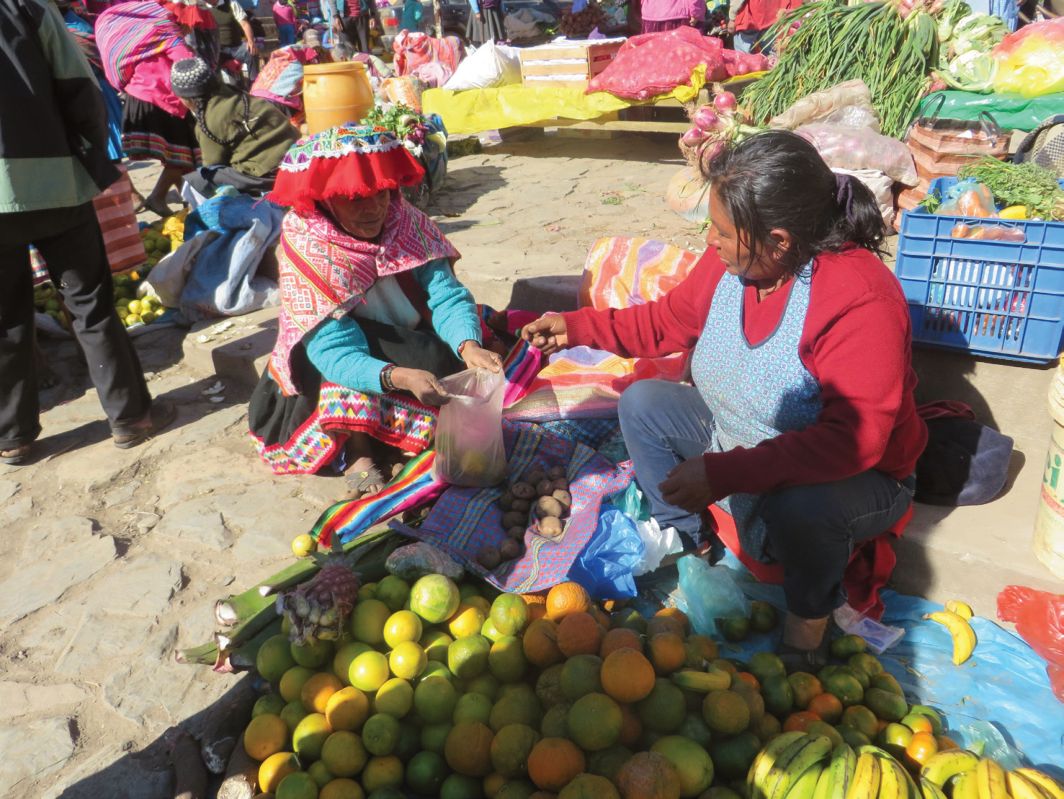
In the study areas and in different Andean communities, women are also involved in the small-scale commercialization process. The weekly fairs generally held in the capital of the municipality are spaces visited by many farmers where it is possible to exchange seeds and products from different regions. These fairs represent events in which the agricultural diversity is evaluated at the regional level, monitor the varieties that are lost, exchange culinary knowledge, etc.
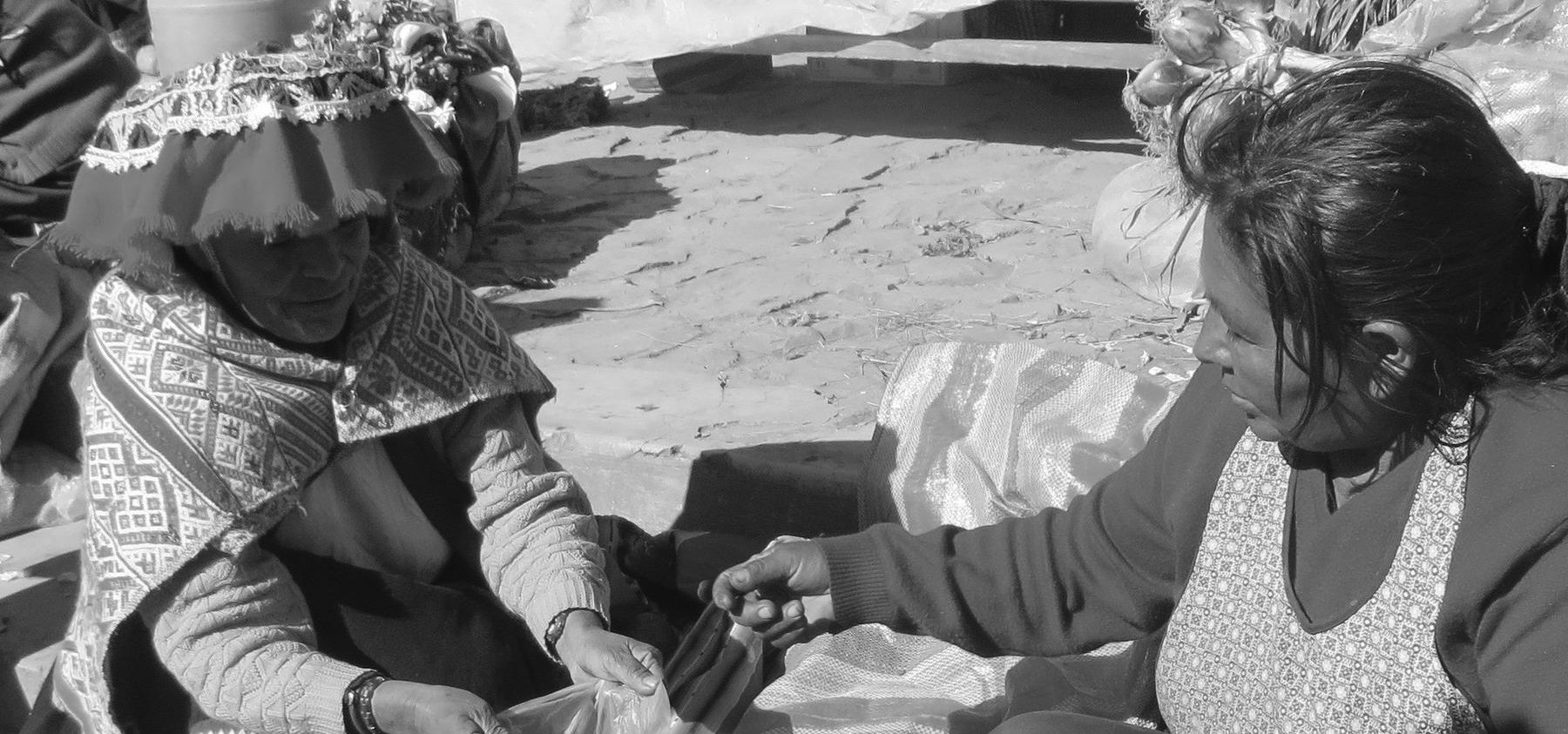
Almost 50 tons of goods are traded once a week in the chalayplasa (Martì, 2005) or “barter market” in the central area of the Lares Valley, ten times the volume of food distributed by the National Food Assistance Program (Pimbert, 2009). It is an ancient strategy of bartering between people from different ecological areas of the valley to get food and where everyone can participate by exchanging any type of crop. Women play a leading role where the principles of reciprocity and solidarity guide the economic exchange to guarantee the supply of food and seeds (Figure 4).
These family economy systems demonstrate the elasticity of collective solutions to individual livelihood problems, generate ecological and political solutions starting from everyday life. However, despite the evident success of exchanges, this type of economic system has not received any kind of attention from government institutions, interpreted as an archaic form of survival. Conversely, the state has increased social aid programs in this area.
The women of the Potato Park have formed the Sipaswarmi Committee and the Qachun Waqachi Association, they are groups of women who are involved in the identification, selection and collection of numerous medicinal, officinal and aromatic plants for the production of herbal teas, creams, ointments, soaps. These same groups manage the handicraft of the Park, the work of the women includes the process of collecting plants, mosses, mushrooms useful for the natural dyeing of the wool, the use of the loom for weaving belts, blankets, capes and other objects for the sale to tourists who visit the Park. The experience of women in weaving has meant that other communities are organized in a similar way.
Another component of economic income is derived from community or ecological tourism, many families have set up a kind of huts and accommodation for tourists and visitors. This form of tourism promotes the tourist’s involvement with indigenous and rural communities by carrying out various activities: interacting and working with the inhabitants of the area, observing their habits and customs, buying handicrafts and souvenirs.
These experiences do not add new tasks to women, rather they complement their daily work. Women are responsible for the processes that contribute to the family economy, they try to increase productive returns and income from trade. Thus a new market culture emerges, they exercise direct control over income because women tend to reinvest their income in the well-being of the family. The above examples explicitly reveal the vision of sustainability and autonomy in the respect and protection of cultures and traditions.
Many innovations respond to technical training campaigns run by external organizations, which rural women capitalize on trying to improve the quality and quantity of their products. Under suitable conditions, according to the market demand, the sale offers them the possibility of improving their income and living conditions. Also for this reason, ANPE Peru has carried out numerous actions to entrust women with the role of guardians of nature and a healthy diet. ANPE Peru works to empower rural women through leadership workshops, production improvement and exchanges of experiences on agroecological production.
5. Conclusions
Based on the experiences of the Andean rural communities presented in this article, it can be inferred that many of the traditional practices and knowledge are at risk of loss and impoverishment, this is reflected in the decline of natural and cultural diversity, with heavy effects in the economic, social and cultural systems.
Massive exodus from the countryside to the cities, ineffective state support from institutions, linguistic and belief vulnerability are aspects that put the complex cultural baggage of rural communities at risk. While recognizing the dimension of the problems, the weight of economic powers and national and supranational policies is enormous potential in the hands of people, especially women, linked not only to their work but also to the strength of social activism. and collective organization.
To counter these critical issues, the Andean communities and in many cases groups of organized women try to find solutions capable of giving effective answers to these problems. Knowledge about plant diversity for different purposes: both food, medicinal and pharmaceutical; the power to negotiate in micro-marketing and to barter products on a small scale are in the hands of women, they are the ones who keep most of the knowledge and traditions related to the supply of food and their conservation.
The decrease in plant varieties is intertwined in a perverse way with the spontaneous or forced abandonment of local agricultural techniques, where products suitable for their socio-cultural roots are grown and consumed. This trend indirectly determines an impoverishment of food diversity, with an important impact on human health.
The Andean region, the cradle of biodiversity and home to numerous indigenous communities, aims to regulate the genetic resources regime in the context of regional agreements. The issue of the right to food is also inevitably intertwined with that of food diversity and consequently with the need to conserve environmental biodiversity and agrobiodiversity,
In recent decades, a regulatory evolution has emerged aimed at enhancing the principles related to the protection of nature, introducing provisions to safeguard biodiversity, sustainable development, the protection of indigenous communities and their traditional knowledge related to agriculture.
In this perspective, the guarantee of the economic rights inherent in the production and marketing of food becomes recessive with respect to the enhancement of the (collective) rights of indigenous communities and the protection of local agricultural knowledge. The challenge would be to consolidate what has been advanced in the legislative field, to develop initiatives aimed at achieving complementary objectives. Without ignoring the importance of trade links with the world, the goal of food security and sovereignty will largely depend on the degree of autonomy that the state assumes in the design and implementation of public policies that privilege the right to a adequate nutrition, above any commercial or economic consideration.
From all these experiences, rural families in the study areas could enjoy sufficient physical and economic access to nutritious foods according to their needs and preferences. However, due to a number of political, economic, social and cultural factors, food is not safe and sufficient for the entire population. Public aid to agriculture and the most vulnerable population must not disappear but must be oriented in support of sustainable agricultural models, socially and economically more equitable.
In this sense, traditional knowledge, local practices together with technical skills and organizational resources would be able to express the cultural identity of local women populations and offer a valid demonstration of our need to reconnect with nature and reestablish a relationship of fair coexistence between us.
References
- Alcazar, L.; Espinoza, K. (2014) Impactos del programa Juntos sobre el empoderamiento de la mujer. Avances de Investigación N° 19. Lima: GRADE.
- Camara, L. (2015) Il recupero del "saper fare" andino per la produzione agricola". Doctoral thesis. University of Verona
- Eddowes, J. (1992) La Huaca. Lima: Editorial Horizonte.
- Eguren, F. (2016) La Seguridad Alimentaria en el Perú. Compendio de artículos publicados 2010-2015. Lima: La Revista Agraria, Cepes.
- FAO (2010) Los Recursos Fitogenéticos para la Alimentación y la Agricultura en el mundo. 2° Informe. Lima: INIA, FAO.
- Gamboa, D. (1993) Sistemas de producción y multiplicación de semilla de papa bajo una lógica campesina. Cochabamba: Univesidad Mayor de San Simon.
- Golte J. (2001) Cultura, racionalidad y migración andina. Lima: IEP. Colección Mínima 46.
- INEI (2017) Perú: Brechas de Género, 2017: Avances hacia la igualdad de mujeres y hombres. Lima.
- INEI (2018) Censos Nacionales 2017: XII de Población, VII de Vivienda y III de Comunidades Indígenas. Lima: INEI.
- Lapeña, I. (2012) La nueva legislación de semillas y sus implicancias para laagricultura familiar en el Perú. Lima: Sociedad Peruana de Derecho Ambiental N°26.
- MCLCP (2020) Recomendaciones para salvaguardar la seguridad alimentaria y nutricional en la infancia y en poblaciones vulnerables frente al impacto de covid-19. Reporte N° 2-2020. Lima: Mesa de Concertación para la lucha contra la pobreza, Sub Grupo de trabajo de Nutrición y Anemia NO.
- Martí, S.N. (2005) La Multidimensionalidad de los sistema locales de alimentación en los Andes: los Chalayplas del Valle de Lares. Doctoral thesis. Autonomus University of Barcelona.
- Matos Mar J.; Mejía J.M. (1980) La Reforma Agraria en el Perú. Lima: IEP.
- Mayer E. (1994) Recursos Naturales, Medio Ambiente, Tecnología y Desarrollo, in Perú: El Problema Agrario en Debate. Lima: SEPIA V.
- MEF (2009) Mapa de Pobreza Provincial y Distrital 2007: El Enfoque de la Pobreza Monetaria. Lima: BID, INEI, MEF.
- Murra J.V. (1975) Formaciones Económicas y Políticas del Mundo Andino. Lima: IEP.
- Persic, A.; Martin, G. (2008) Collegamenti tra diversità biologica e culturale Rapporto del seminario internazionale. Paris: UNESCO.
- Pimbert, M. (2009) Toward food sovereignty. Gatekeeper Series N° 141 London. IIED.
- Quijano, A. (1967) Urbanización y tendencias de cambios en la sociedad rural latinoamericana. Serie Documentos Teóricos, N° 5. Lima: IEP.
- Reader, J. (2009) Potato: A History of the Propitious Esculent. Yale University Press.
- Swiderska, K.; Stenner, T. (2019) The Maize Park biocultural heritage territory in Lares, Peru: Case study guidance in biocultural heritage territories. Cusco: INMIP.
- Tapia, M.; De La Torre. (1997) La mujer campesina y las semillas andinas. Lima: IPGRI, FAO.
- Trivelli, C.; Escobal, J.; Revesz, B. (2009) Desarrollo rural en la sierra: aportes para el debate. Lima: GRADE, CIES, CIPCA, IEP.
- Trivelli, C. (2019) Programas sociales y desarrollo territorial in Fernandez M.I. (ed.) Perspectivas para el desarrollo rural latinoamericano: un homenaje a Alexander Schejtman. Buenos Aires: Teseo.
- Velásquez, D.; Trillo, C.; Cruz, A.; Bueno, S. (2014) Intercambio tradicional de semillas de tuberosas nativas andinas y su influencia sobre la diversidad de variedades campesinas en la sierra central del Perú (Huánuco). Zonas Áridas N° 15. pp. 110—127.
- Zimmerer, K. (1996) Changing fortunes: Biodiversity and peasant livelihood in the Peruvian Andes. Berkeley: University of California Press.
Notes
- The geographer Javier Pulgar Vidal formulated the thesis of the eight natural regions in 1941, this approach is based on the existence of ecological floor or layers functional to the climate, relief, landscape, flora and fauna.
- For further information on the historical and ethnographic aspects of vertical control of Andean production, see Murra (1975), Mayer (1994), Golte (2001).
- Verticality in the Andes is understood as the very steep environmental gradient where different climatic zones are compressed into a single valley extending for several hundred meters of altitude.
- Raised fields are cultivation platforms raised above ground with channels for water flow around them.
- The Hacienda took on the meaning of property/real estate capital and what weighs on it, namely the land and the workforce.
- “The land for those who work it” was the motor of the Agrarian Reform. This implied the dream of giving property to each peasant family a cultivation area for their livelihood and production for the national market. Matos Mar, Mejia (1980).
- The friaje of recent winters is a phenomenon of anomalous and intense cold experienced. Temperatures sometimes drop as low as -35°C with serious consequences for people suffering from hypothermia, bronchitis and pneumonia, and for animals that perish due to the extreme conditions.
- Statements by Demetrio Túpac Yupanqui, director of the Yachay Wasi School. Diary El Comercio, February 23, 2019.
- In 1997 the ANDES Association with six communities of Pisaq area established the Potato Park as a Community Conserve Area (CCA). The management of the Park is in the hands of four communities: Amaru, Paru Paru, Pampa Llacta and Chawaytire, the communities of Cuyo Grande and Saccaca abandoned the project after some years.
- The potato was domesticated and cultivated on the plateau of Titicaca Lake around 8,000 years BC. (Reader, 2009) and during centuries of experimentation, farmers have reproduced and selected varieties suitable for each of the multiple ecological niches of the Andes.
- This value refers to 2014, this value could be different based on increases or disappearances of the varieties during the harvest phases.
- The distinction in this region between cultivated and wild potatoes is rather vague instead there is a constant gene flow between the two groups.
- This wisdom is expressed in the concept of “three and five” and in “four plus two”. Apparently the criterianumbers would be decided by the variety and type traditional crops into each community and according to the agroecological area, so in the Jalca area (area between 3500 and 4000 meters above sea level), the numbers dominate to classify the potato, while in the Quechua area dominate for corn (Tapia and De La Torre, 1997).
- The low level of use of quality seeds highlights a weak link between the farmer and the market. Smallscale farmers have limited access to credit to buy seeds from the formal system and little control over the production environment (frost, drought and pests), so heavy investments buying seeds could be risky.
- Law N° 27262 of 2000 was subsequently amended by Legislative Decree 1080 in 2008. It reports that the activities of obtaining, producing, supplying and using good quality seeds are declared of national interest.
- The CIP (International Potato Center) is part of the Consultive Group in International Agriculture Research (CGIAR)
- It is the largest seed warehouse in the world, created to safeguard the biodiversity of species grown for food purposes, to ensure human survival against phenomena such as climate change and natural disasters.
- 29.5% of rural children under five suffer from chronic malnutrition (MCLCP, 2020) and more than a third of the population (39.1%) are at risk of food insecurity vulnerability (EIA).
- Food security is a multidimensional approach applicable at the individual, family, national and global levels, achieved when all people, at all times, have physical and economic access to sufficient, safe and nutritious food to meet their dietary needs and preferences with the goal of leading an active and healthy life (FAO, 1996).
- La Via Campesina proposes food sovereignty as the right of people, communities and states to define and determine their own food and agricultural system as well as to implement policies to favor their agricultural production both in national and local markets. It guarantees that the rights of access and management of land, territories, water, seeds. Livestock and biodiversity are in the hands of those who produce the food.
- Mazamorra is a typical sweet made from corn or other cereals.
- The percentage for 2020 reaches -30.4%, a decrease due to the pandemic. www.sunat.com.pe
Rights and permissions
Open Access. This article is licensed under a Creative Commons CC BY 4.0 license, which permits use, sharing, adaptation, distribution and reproduction in any medium or format, as long as you give appropriate credit to the original author(s) and the source and indicate if changes were made.
About this article
Cite this article
Camara, L. (2020). Women in agriculture living in the Andes: between critical issues and values. The Journal of Terraced Landscapes, 1(2), 8–31. https://doi.org/10.5281/zenodo.8059487
- Published
- December 2020
- Issue
- Volume 1, Number 2
- Journal
- The Journal of Terraced Landscapes, ISSN 2754-7612 (Online)
- Archive
- Zenodo record 8059487
- terraces
- women
- traditional knowledge
- biodiversity
- sovereignty