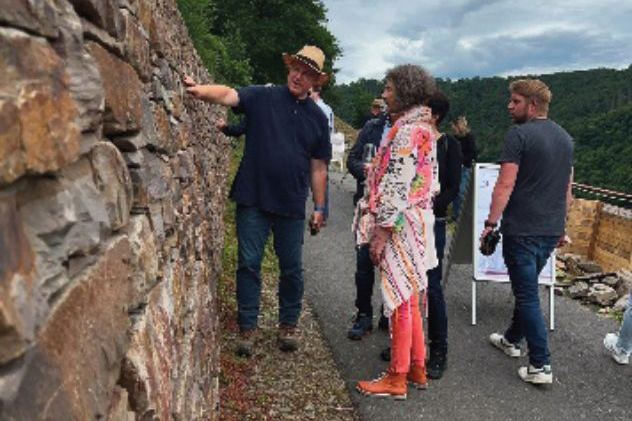
Experience and learn the cultural landscape of the terraced Moselle - Inspiring children and young people for their home region
Affiliations
- 1 Lehmer Razejunge e.V., Lehmen, Germany
International Terraced Landscapes Alliance Journal volume 4, issue 1, pp. 86–99 (2026) · Cite this article
- 0 views
- 2 downloads
- DOI10.5281/zenodo.23440573

Abstract
On the terraced Moselle at Lehmen, the Razejunge association keeps a vineyard with a herb garden, lavender terraces and, since 2025, a classroom in the open air. For seventeen years it has worked with the local primary school and for twelve with the daycare centre, bringing children into the year's work in the vines. The report describes the learning place, the species it was built around, and the dry-stone wall path the association now plans.
Keywords
- terraced Moselle
- extracurricular learning
- biodiversity
- viticulture
- youth work
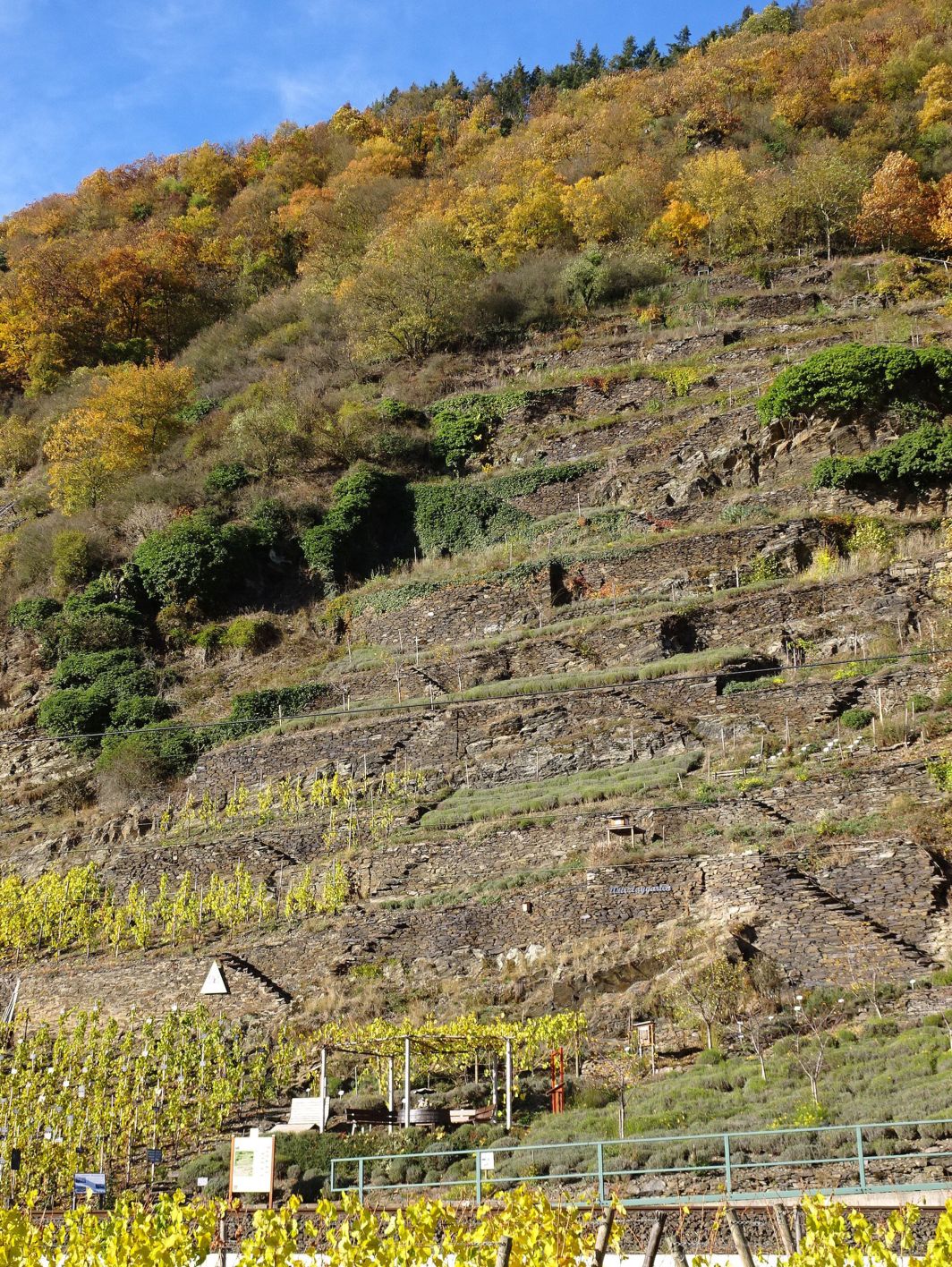
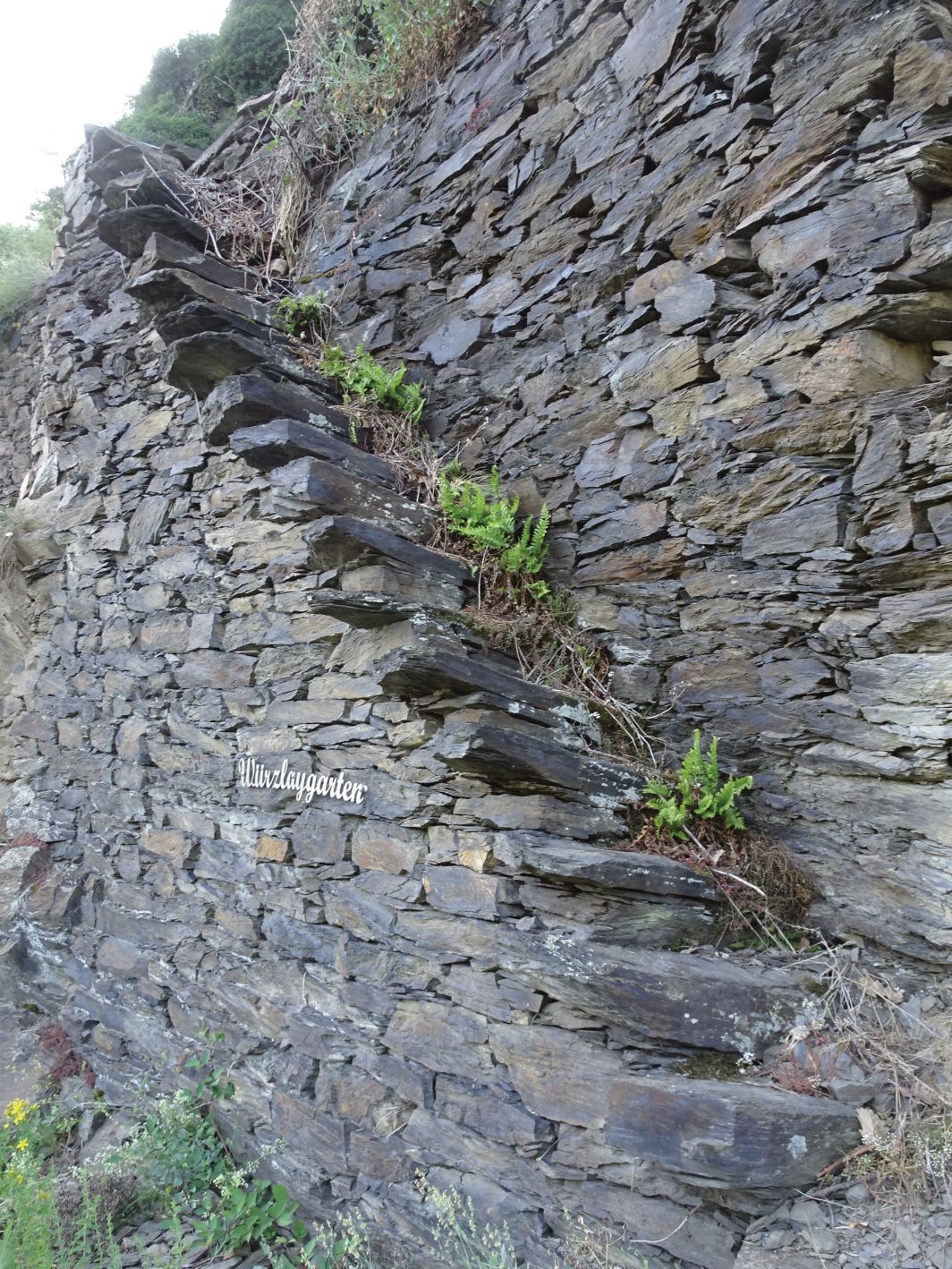
The terraced Moselle stretches along the course of the Moselle downstream from Pünderich to Koblenz. The characteristic feature of this wine-growing landscape are the steep vineyards with their cultural-historical terraces, built of dry-stone walls and equipped with ornate quarry stone steps. The construction of the dry-stone walls made viticulture on the steep and steepest slopes of the Moselle possible in the first place. It is assumed that the terraces on the Moselle were built on a larger scale at the beginning of the Middle Ages.
They shape the landscape, are an identity for the people of the region and represent an essential part of their homeland. The xerothermic habitat “dry-stone wall” also offers rare animals and plants, some of which are under nature protection, excellent living conditions, especially in times of climate change. A hotspot of biodiversity.
For economic reasons, more and more steep vineyards are being abandoned. If vineyards with dry-stone walls are abandoned and no longer maintained, they become bushy in a short time. The typical landscape changes and essential habitat for plants and animals typical of the region is lost, bringing with it a reduction in xerothermic biodiversity.
In the Lehmener Würzlay, one of the thirty officially designated wine-growing landscapes on the Moselle, the Lehmer Razejunge association maintains its own vineyard with a herb garden, the largest contiguous lavender cultivation area on steep slopes of the Moselle and an “extracurricular place of learning”. In 2018, the Lehmener Würzlay with the Razejungewingert (vineyard) at its heart was awarded the title of “Highlights of Biodiversity”.
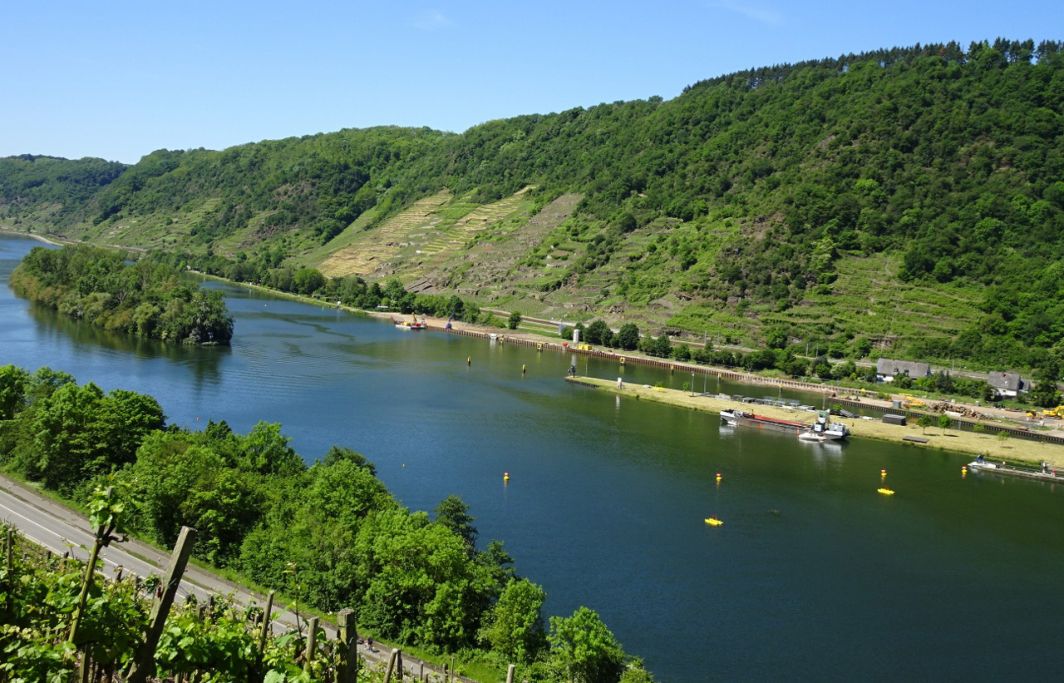
History of the vineyards
In earlier centuries, the vineyards on the steep slopes were the basis of life for the people of the region. They were mainly winegrowers, quarry stone masons and farmers. Each family had its own, albeit sometimes only small, vineyard and a garden for self-sufficiency. Small herb gardens with their medicinal plants took over the function of today’s pharmacies.
All that has changed. The small old wine villages in the lower Moselle valley are often only “places to live and sleep”. The actual workplaces of the residents are in cities such as Mayen, Koblenz, Andernach and Rhens. The world of work is shifting from viticulture to tourism, which is now the largest economic factor on the lower Moselle.
Children and young people have fewer points of contact with the cultural landscape and the nature in which they live. In order to raise awareness and the importance of the local cultural landscape with all its facets, to promote coexistence and ties to the region, the Lehmer Razejunge association has set itself the task of bringing children and young people closer to the special features of the Terrassenmosel (Terrace Moselle). This refers to the world of work and the life of the ancestors, the importance of nature for a fulfilled life and a healthy, balanced diet.
“Without knowledge of the past, it is difficult to make the future worth living,” is the conviction of the board members of the association.
Cooperation with the primary school in the vineyard
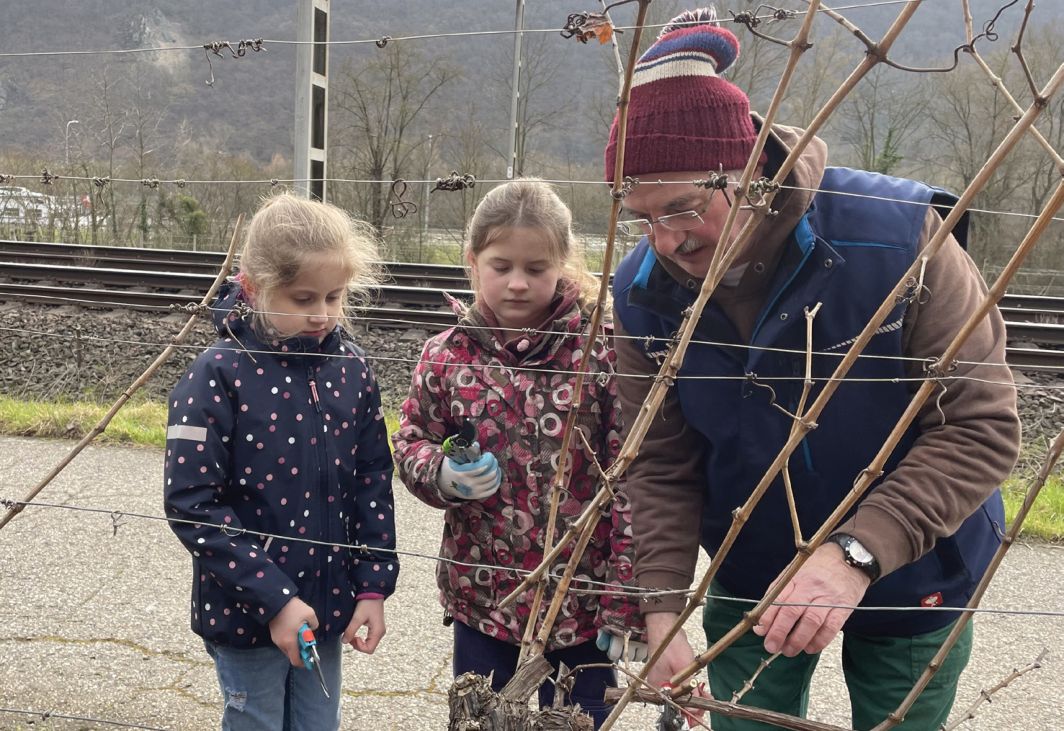
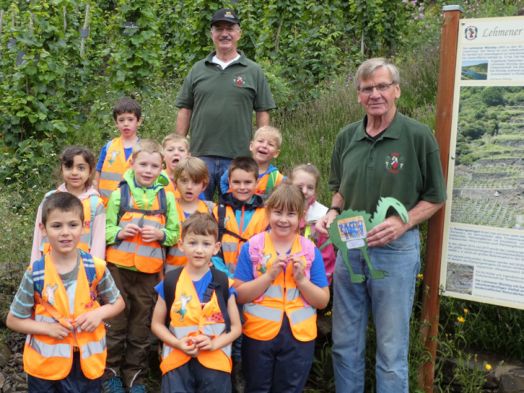
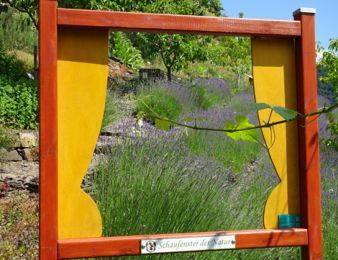
For 17 years now, the association has been cooperating with the local primary school “St. Georg Lehmen” and for 12 years it has been working with the Lehmen daycare centre “Rappelkiste”. The project “All year around in the vineyard” was launched. On action days, schoolchildren do the work in the vineyard together with the Razejunge, from cutting and tying the vines to harvesting the grapes. Every child practically has a “godfather” at their side. In 2014, members of the Association for the Prevention of Bush Encroachment on Abandoned Vineyards planted lavender in terraces. At the same time, this contributed to the promotion of biodiversity and enhanced the landscape. During the same period, a Mediterranean school herb garden was created with the children - in accordance with climate change. In order to bring young families closer to the local nature, a vineyard adventure trail was set up with self-explanatory theme boards and “showcases of nature”. These draw attention to certain special features, such as artistic dry-stone wall passages or flower-rich plants. Due to the great interest of the young generation in local nature, the offer was expanded with special action and theme days, preferably during the Week of Biodiversity.
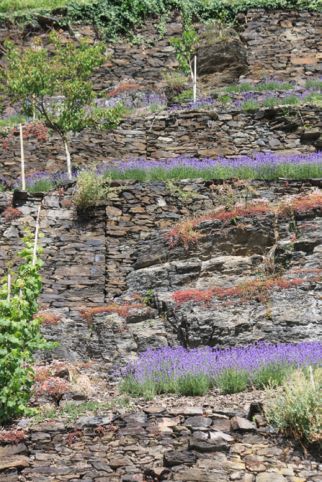
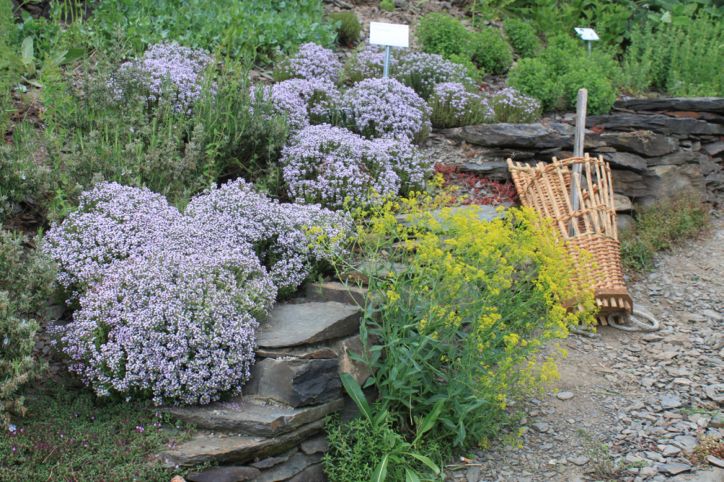
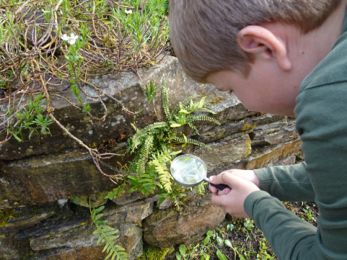
Among other things, the focus was on the “Dry-Stone Wall Habitat” with its plants and animals, and a particular success was the “Dry-Stone Walls Viewed under the Magnifying Glass” campaign. “The life of insects and their importance” as well as “The Mediterranean plants in the herb garden” and what can be made from them met with a great response. Thus, at the same time, a focus could be placed on healthy nutrition: see - touch - smell - taste.
Primary and secondary schools as well as daycare centres from the region now regularly visit the association’s facility in Lehmener Würzlay. It is important to the members of the association that children and young people actively participate, contribute creatively and carry out practical work themselves and responsibly. Something can go wrong from time to time, trying and testing yourself is crucial. Experiencing success and failure and dealing with it, e.g. after a planting campaign, is just as much a part of it as marvelling at the beauty of flowers and butterflies.
Place of learning and experience in the vineyard
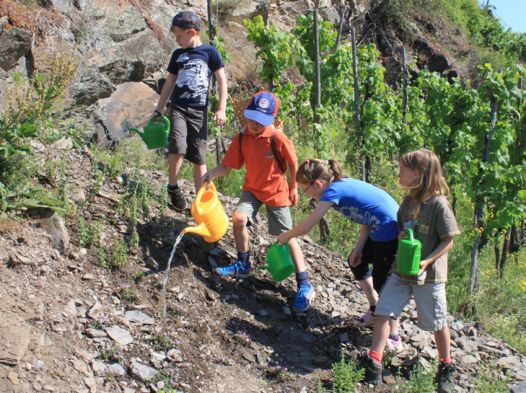
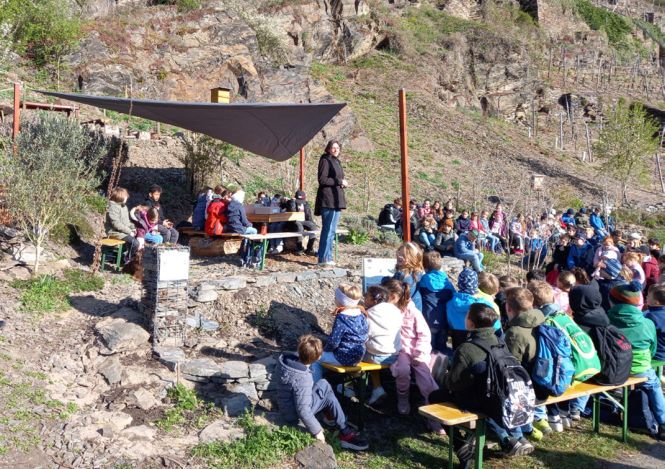
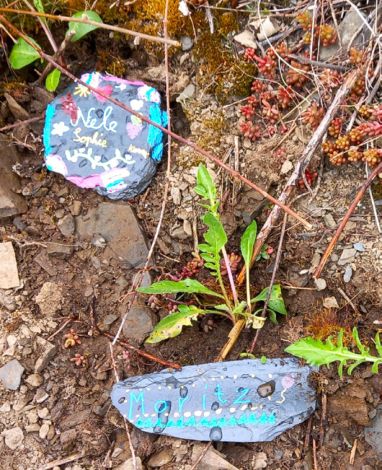
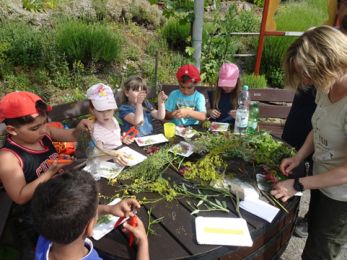
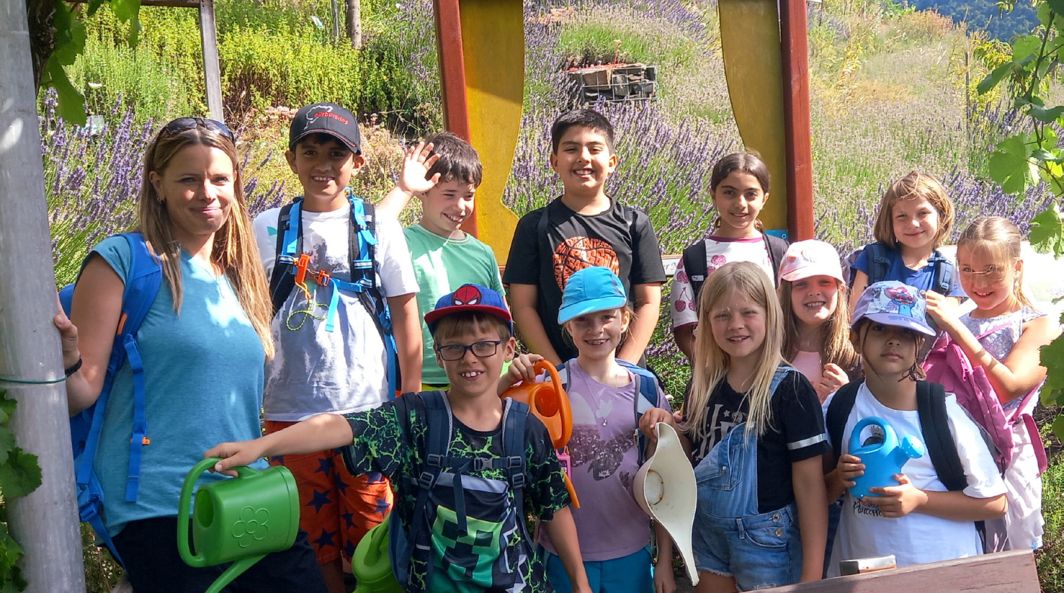
A special highlight in 2025 was the opening of the “Extracurricular Learning and Experience Place” created by the Razejunge on their own, the first in the municipality of Rhein-Mosel. On the opening day, more than 100 children planted seedlings of the scabious knapweed, one of the food plants of the endangered Apollo butterfly. Next to each plant, the children placed a slate stone with their name on it, which they had creatively designed. Thus, they were able to observe the later success.
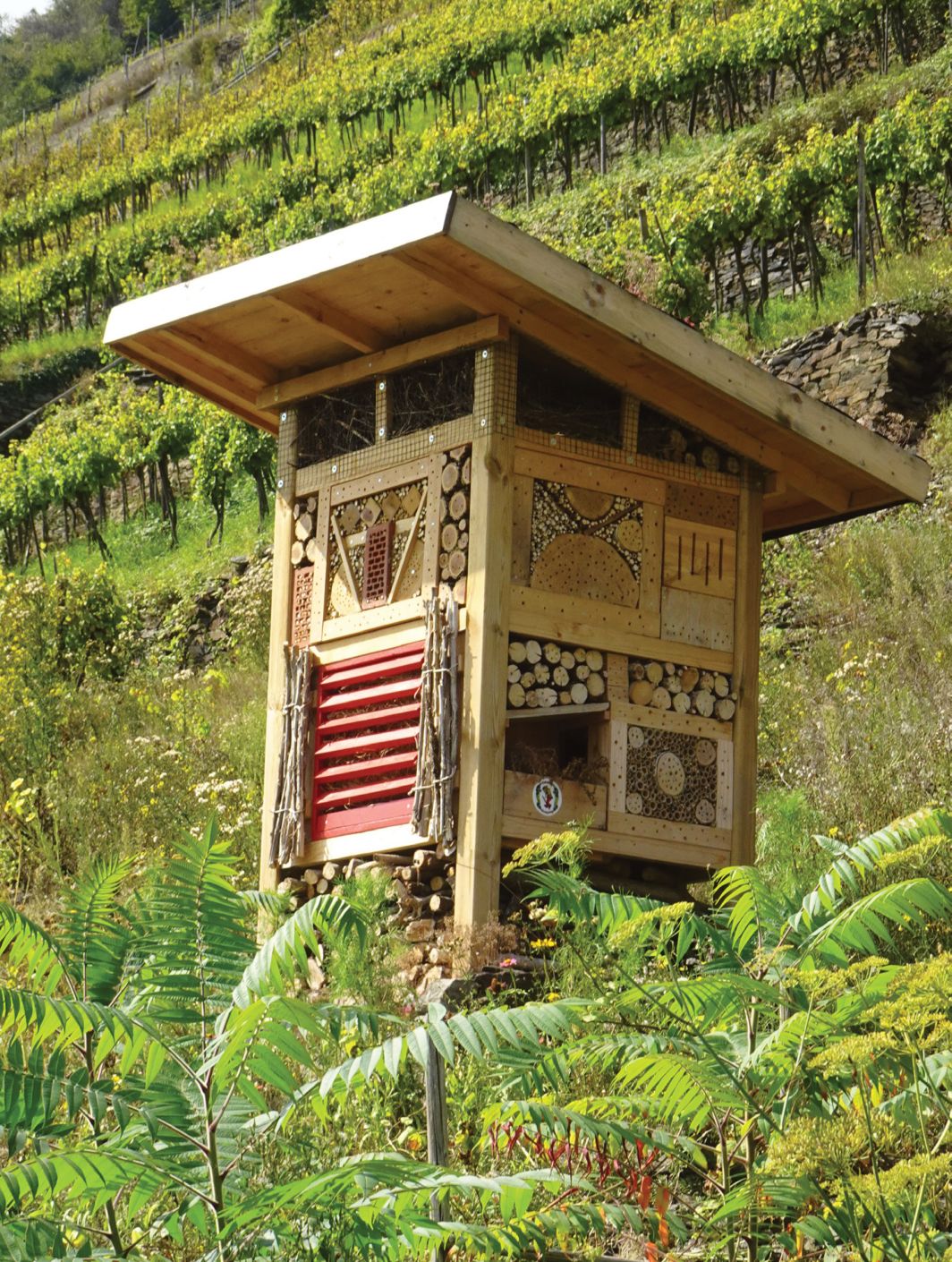
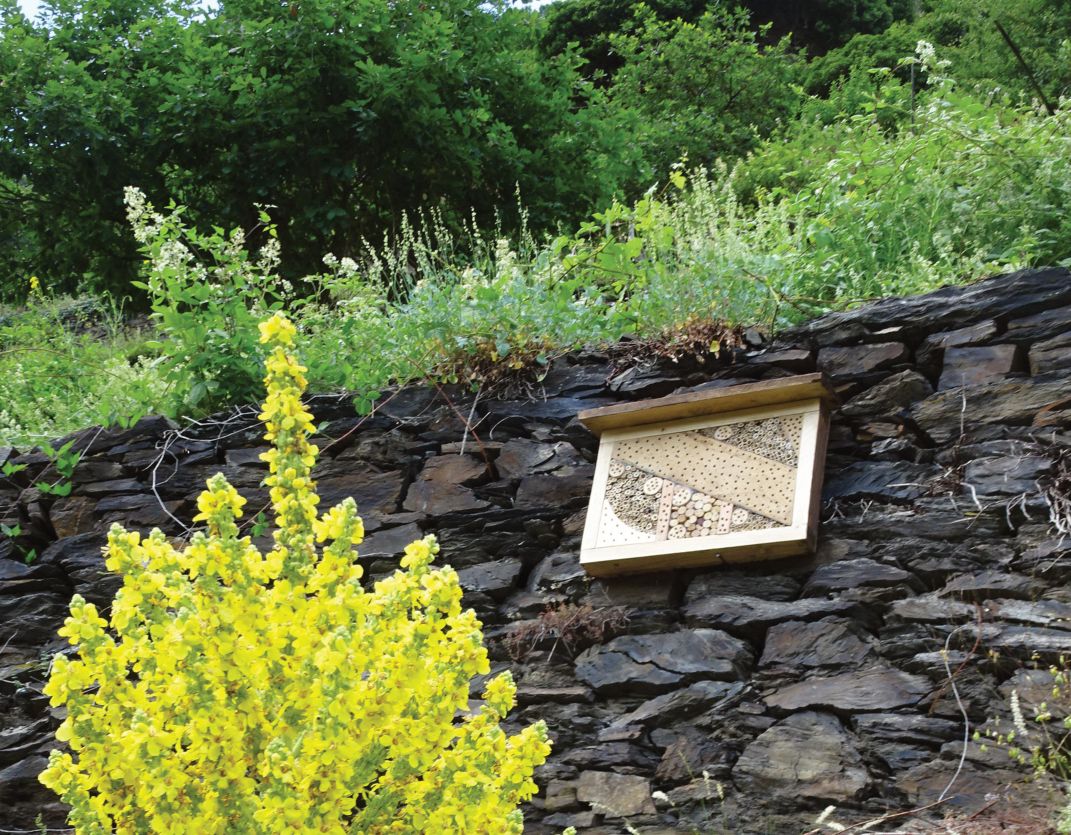
With the learning place, a classroom was created in the middle of the vineyard. Here, school classes accompanied by their teachers can independently carry out nature-oriented, creative lessons. Work areas with tables and seating furniture have been set up on different levels in the vineyard location; sowing and planting areas with breeding beds are freely available on an area of approx. 500 m². It can be planted, studied, discovered, and harvested. An additional “illustrative material” is a flowering meadow in the immediate vicinity with a sandarium and nesting aids for wild bees as well as a large life tower, a multi-storey residential building for insects and reptiles. Several beehives have been set up in the Würzlay, and herbal and the rare lavender honey is produced and, of course, tasted. If necessary, the teachers can call in members of the Razejunge on the teaching days. The association has trained specialist staff with nature experience guides, beekeepers and winegrowers. A trained biologist and butterfly expert is also one of the club members. A special moderation kit with educators has been developed. It contains illustrative material, aids and small tools. In addition, documents such as flyers, handouts and preparations are provided free of charge.
Children’s and young people’s book on the “Treasure of the Razejungen”
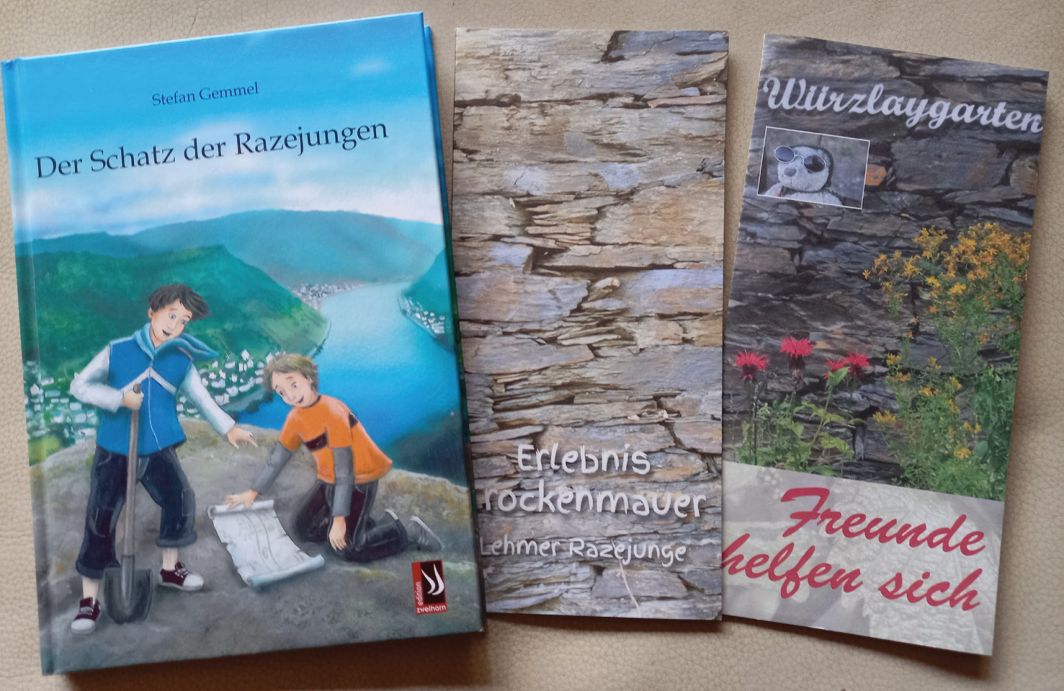
In order to appeal to the children emotionally, the Razejunge have published a children’s and youth book, Der Schatz der Razejunge (The Treasure of the Razejungen), and a flyer, Freunde helfen sich (Friends help each other). The author is the children’s book author Stefan Gemmel, himself a Razejung, who has been awarded the Order of Merit of the Federal Republic of Germany.
The book focuses on the traditional work in the vineyard, the special features of the region and in particular friendship. The flyer contains a story to read aloud, especially suitable for kindergarten children. It describes animals and plants of the Würzlay garden as well as helpfulness and friendship.
Practice in the vineyard
As a rule, the teachers deal with a selected topic before the visit to the “Extracurricular Learning Place”, where the “practical part” takes place. The interest in the topic is reflected in the many questions on the day of the visit to the vineyard.
During these action and teaching days, the mobile phone is not missed - it functions completely without it. Children and young people lend a hand themselves, try and experiment. How proud the children are of their work in the vineyard can be seen when they show their effort to their parents and grandparents in the following days or report on it in detail at home. One of the most beautiful gifts for the Razejunge was a “thank you letter” from the
Action against vandalism
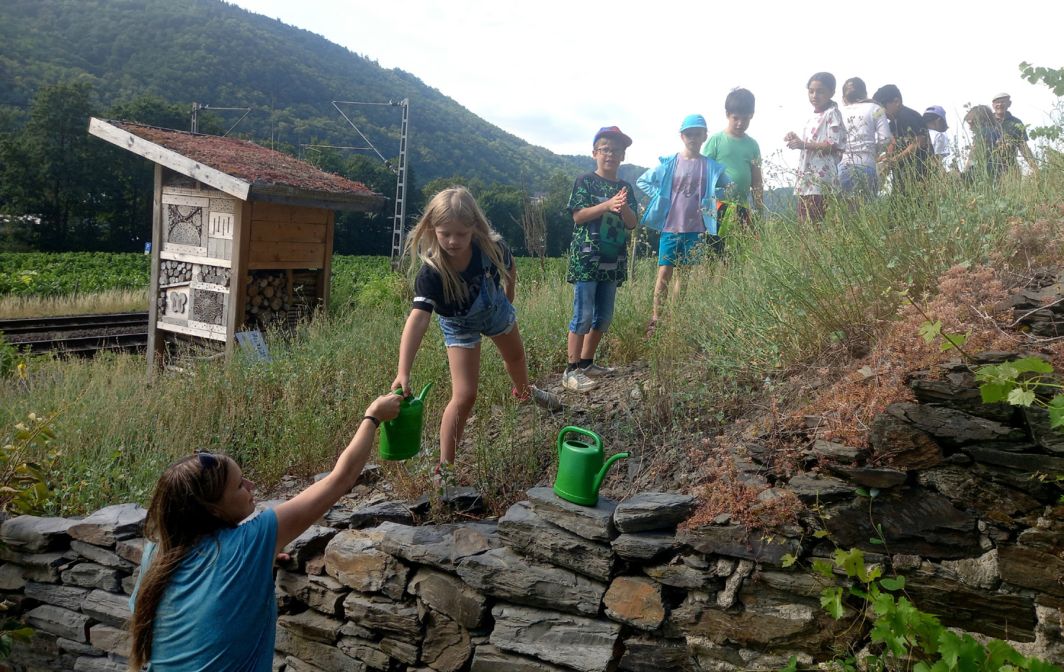
How much sympathy and appreciation the primary school children show was shown after the destruction of the association’s own beehives in the Würzlay garden through vandalism. They started a collection campaign on their own so that the Razejunge could restore the beehives.
From the sale of honey and herbal products, the association finances its children’s and youth projects. In 2021, the Razejunge were awarded the title of “Moselle Heroes” for their regional lavender product line. In the meantime, plants and herbs such as viticulture are certified organic.
In October 2025, the Lehmer Razejunge association was awarded the environmental prize of the Mayen-Koblenz district for the third time after 2013 and 2015, with special attention paid to the intensive youth work.
Project Dry-Stone Wall Path
In order to make a further significant contribution to the preservation and promotion of the typical cultural landscape with its unique biodiversity, the Lehmer Razejunge have decided to carry out another project. In cooperation with the local community, they would like to build a dry-stone wall path in a traditional vineyard. The project is based on a future-oriented and holistic view with three pillars, in which children and young people are significantly involved: 1. Creation of a dry-stone wall adventure trail with a permanent educational construction
site 2. Workshop “Construction and maintenance of dry-stone walls” 3. Action days “Dry-stone walls and their inhabitants” - Promotion of biodiversity in the
special habitat of dry-stone walls.
Rights and permissions
Open Access. This article is licensed under a Creative Commons CC BY-SA 4.0 license, which permits use, sharing, adaptation, distribution and reproduction in any medium or format, as long as you give appropriate credit to the original author(s) and the source and indicate if changes were made.
About this article
Cite this article
Möhring, D. (2026). Experience and learn the cultural landscape of the terraced Moselle - Inspiring children and young people for their home region. International Terraced Landscapes Alliance Journal, 4(1), 86–99. https://doi.org/10.5281/zenodo.23440573
- Published
- October 2026
- Issue
- Volume 4, Number 1
- Journal
- International Terraced Landscapes Alliance Journal, ISSN 2754-7639 (Online)
- Archive
- Zenodo record 23440573
- terraced Moselle
- extracurricular learning
- biodiversity
- viticulture
- youth work