Key Issues in Terraced Landscapes (TLs)
Affiliations
- 1 University of Ljubljana, Faculty of Architecture
- 2 Department of Architecture, University of Florence, UNISCAPE
- 3 CAWR, University of Coventry
International Terraced Landscapes Alliance Journal volume 1, issue 2, pp. 6–15 (2020) · Cite this article
- 185 views
- 192 downloads
- DOI10.5281/zenodo.7341151
Abstract
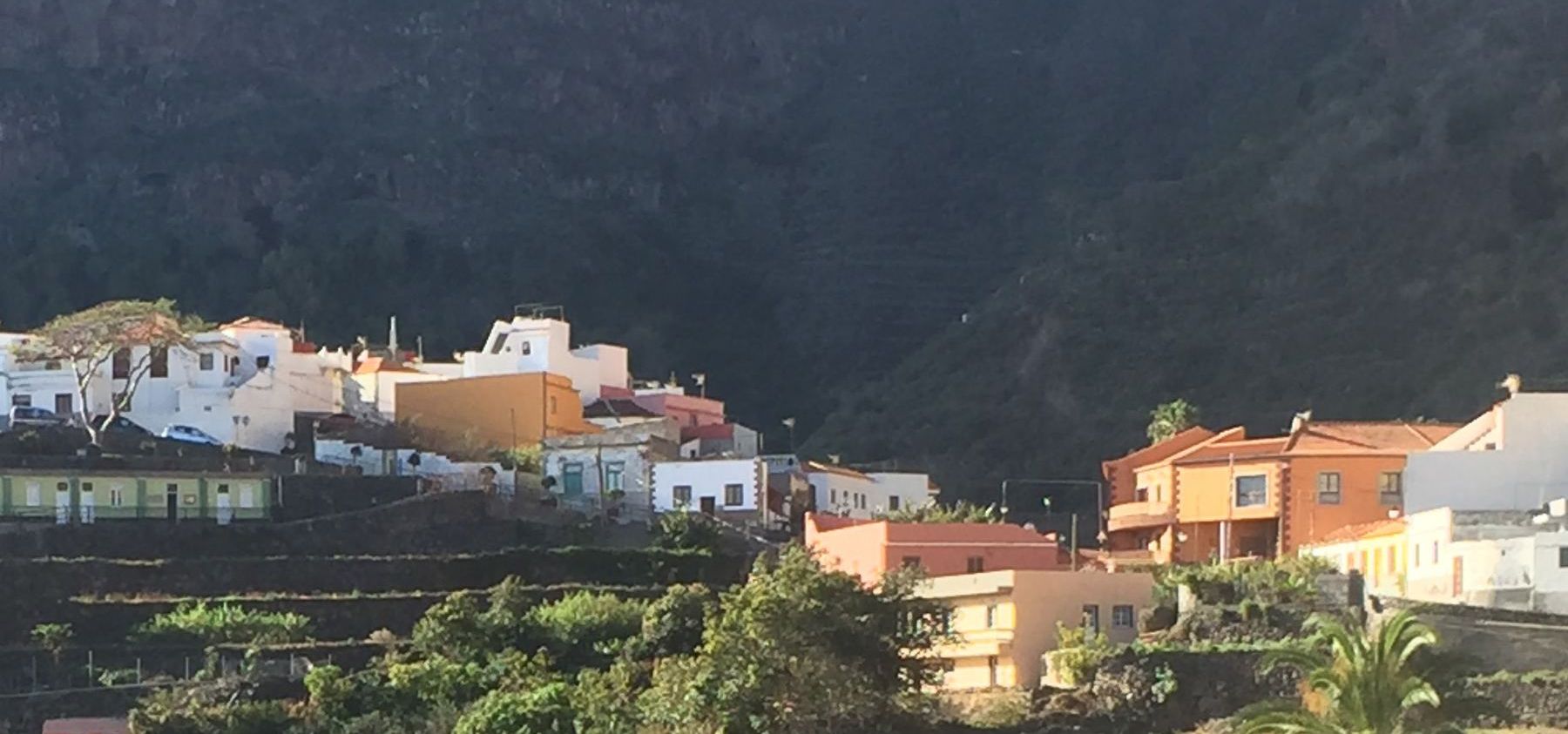
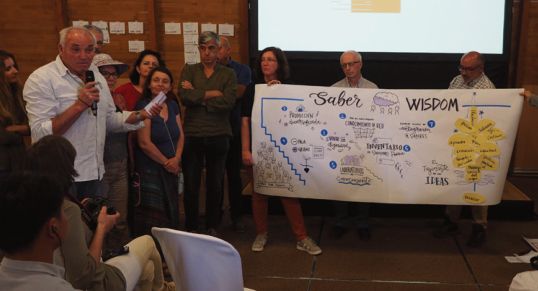
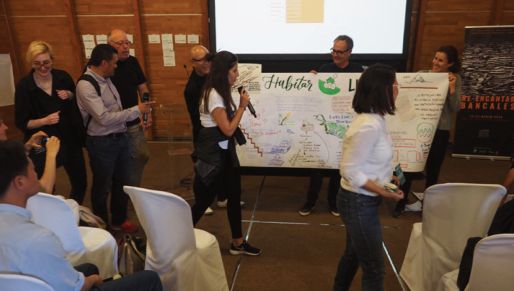
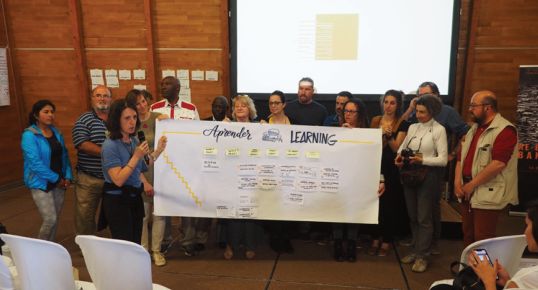
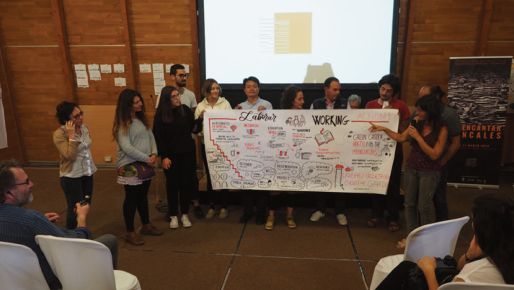
During the Fourth ITLA World Congress on Terraced Landscapes, held on March 21st, 2019, at the Visitor Center in San Sebastián de La Gomera, Spain, a roundtable discussion was held to contribute to reflections on terraced landscapes, focusing on the main themes of the congress, experiences, and thematic lines. The four thematic groups that formed the central content addressed various inherent aspects of terraced landscapes, as well as conceptual and instrumental statements that outlined the strategic objectives of the fourth congress. The questions, issues, and definitions considered within these thematic groups were 1) Living: places of wellbeing in terraced areas; 2) Wisdom: recovering the memory of terraces through actions, infrastructure, and projects; 3) Labor: construction and protection of terraces; and 4) Learning: generating knowledge and innovations in terraced areas. Based on the experience gained during the field exploration, the congress presentations, and the discussions between participants, some of the most important observations are summarized.
Keywords
- terraced landscapes
- living
- wisdom
- labor
- learning
Living how?
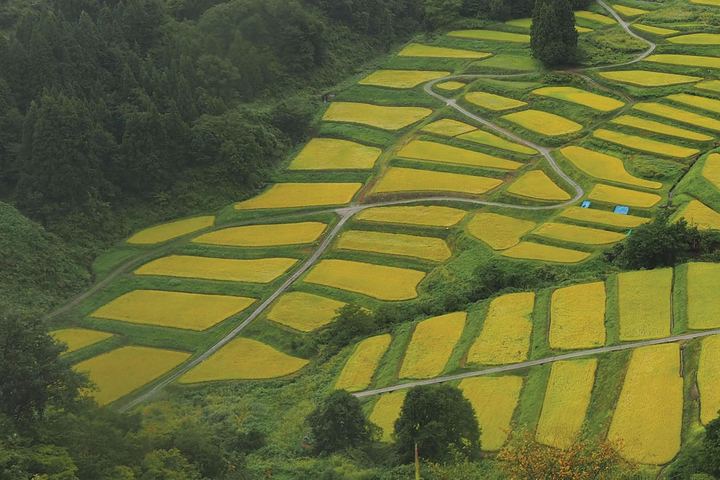
Terraced landscapes (TLs) are highly complex systems, places of wellbeing, and places of continuous settlement, where new forms of living and inhabiting terraces develop. TLs are connected with the notion of identity, which is the condition or fact of being specific—that is, individual. Their meaning is linked to the essence, fundamental nature, or most important quality that makes something what it is.
TLs contribute to the identity and profile of local cultures, are an important part of people’s quality of life, and ensure diversity and making a region attractive, thus preserving settlements and the vitality of rural areas. Identity plays a role in reestablishing the connection with the “land of one’s forefathers.” In many cases, young people are returning to forgotten farms inherited from their parents. This connection, however, not only refers to possession but can also describe affiliation acquired through caring for the land.
The identity of a region is rooted in both built-up areas and the landscape. The Landscapes of the World Heritage List include cultural landscapes that are part of people’s collective identity. They are protected because they illustrate the evolution of human society and settlement over time.
Key challenges in rethinking TLs as places to live are multifunctionality and physical/ cultural accessibility. A dynamic landscape should be explorable and filled with various functions in order to increase its complexity and diversity.
Both multifunctionality and accessibility seem crucial in integrating these particular kinds of heritage landscapes into their context and in supporting and enriching them, providing new opportunities for their residents as networks of places to rest in, to enjoy, or to use a wi-fi connection.
In this sense, we should rethink an “island network” model, in which each farm is connected with the others through both ecological/biological corridors and social/economic/functional/human relationships. Reinventing TLs is probably the only way to save them from extinction through adaptive use, seeking to combine the traditional way of living and “producing landscapes” with a contemporary attitude open to innovation for the inventive conservation of agricultural heritage.
More endogenous forms of development would be based on decentralised planning as well as citizen decision-making that prioritises local knowledge, analysis, and definitions of wellbeing. An interesting proposal is to set up a Peasant observatory of TLs to oversee and guide the regeneration of local ecologies, economies, and wellbeing.
Participants did indeed emphasise the possibilities of regeneration based on place and conviviality. But, this requires innovations that foreground and build on i) citizens’ participatory action and participatory budgeting; ii) agricultural extension with knowhow in agroecology; iii) subsidies to support terraces and community initiatives in these landscapes; iv) enabling closer links and economic exchanges between TL farmers and local businesses (e.g., hotels and restaurants) as well as schools, hospitals, and public canteens (via local food procurement schemes); and v) linking community initiatives into larger federations to coordinate local adaptive management, economic exchanges, and the governance of TLs over large areas on and between islands in the region.
Wisdom of whom? Wisdom for whom/what?
Wisdom and the ability to think and act with knowledge about processes in TLs have disappeared. Terraced areas have become landscapes of ignorance at many levels. Not only are they abandoned, but the understanding and appreciation of TLs has been lost. Wisdom related to TLs includes the proper application of knowledge, theoretical (explicit) or practical (with practical skills, implicit) understanding of the uniqueness of TLs, and actions based on a deeper understanding of TLs by recognizing differences and similarities between TLs in the world. TL wisdom is a multi-layered expertise that includes material, social, and emotional experiences, and it acknowledges the causes and effects of processes within these landscapes.
An aware TL wisdom could be achieved using various tools and practicing the effective integration of competences and disciplines.
A shared Glossary of TLs and of TL technologies adopted and implemented through a broad network of farmers, agronomists, and various experts could be a formidable tool for creating a wisdom community, where is possible to exchange best practices, traditional knowledge, and innovative solutions.
The wisdom of past TLs does not exclude contemporary knowledge (technologies); on the contrary, it brings with it an insight into a combination of earlier models of life and work in TLs compared to modern models of the same kind. Contemporary knowledge also does not exclude the wisdom of past TLs, but when people become connected to earlier models they cannot solve current challenges—and landscapes are undergoing constant change and transformation. Similarly, within TL processes, relationships, contexts, and scenarios constantly evolve and are identified. Common sense and community wisdom, based on practical judgements about all matters, are also changing.
In TLs one must think and act with knowledge, experience, and understanding at different levels, using a combination of past wisdom and modern technologies such that it becomes a progressive process of enchantment of TLs.
Working for whom? Working how?
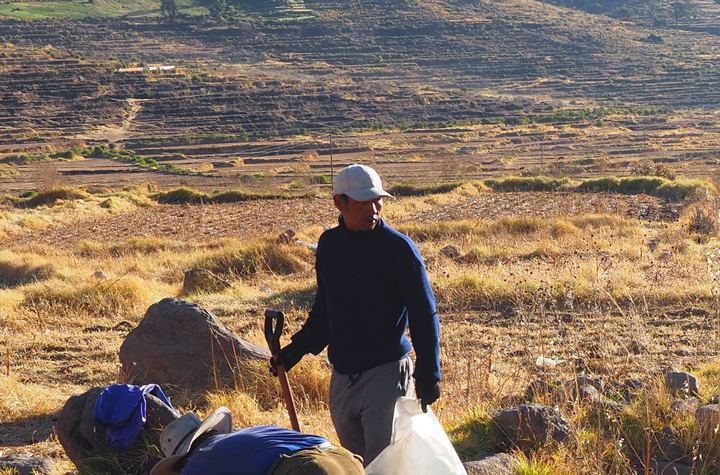
Consequence of work: TLs are significant landscapes with dominant landscape elements in many countries. This is confirmed by the inclusion of several TLs in the World Heritage List. TLs are important areas for producing healthy food. TLs are influential in many ways. Consequence of no work: With the loss of arable land that becomes non-farmland, we not only loose protection from natural hazards, but also farmers, families, communities, and so on.
This process also leads to the loss of agrobiodiversity, and of ecological and cultural complexity, and heritage landscapes gradually become abandoned places without opportunities.
Migration and climate change, often seen only as challenges to landscapes, could be rethought in order to preserve and revitalize TLs.
In this sense, migrants could find a new dignified life by becoming farmers in heritage TLs, and climate changes could be interpreted in order to introduce different species of crops that are more adaptable and resilient, also exchanging best practices and knowledges within an international farmers’ network. There are a variety of different approaches to keeping TLs alive and continuing work in TLs.
Being alive means thinking about reusing abandoned TLs, whether they serve as a source of inspiration for successful projects by artists and designers, or whether they could economically stabilize and revitalize the local region. Intensive agriculture has no priority over extensive agriculture in TLs because extensive agriculture has quality characteristics that cannot be achieved through intensive production.
TL technologies developed in response to the natural environment and human exertion. There are a variety of traditional and new construction methods and watermanagement methods adapted to the natural and cultural conditions related to climate change, the materials available (stone and earth), technological development, and the conditions of the area (water, climate, and slopes), as well as a variety of working systems, from the traditional techniques of building dry walls, to irrigation and water control, to new TL construction systems. Active engagement and open dialogue of the people living in TLs is necessary because TLs are suppliers of healthy food and beautiful landscapes for other communities and citizens. In this respect, the farmers work for their livelihoods and for all citizens, demanding equal opportunities and the recognition of their work.
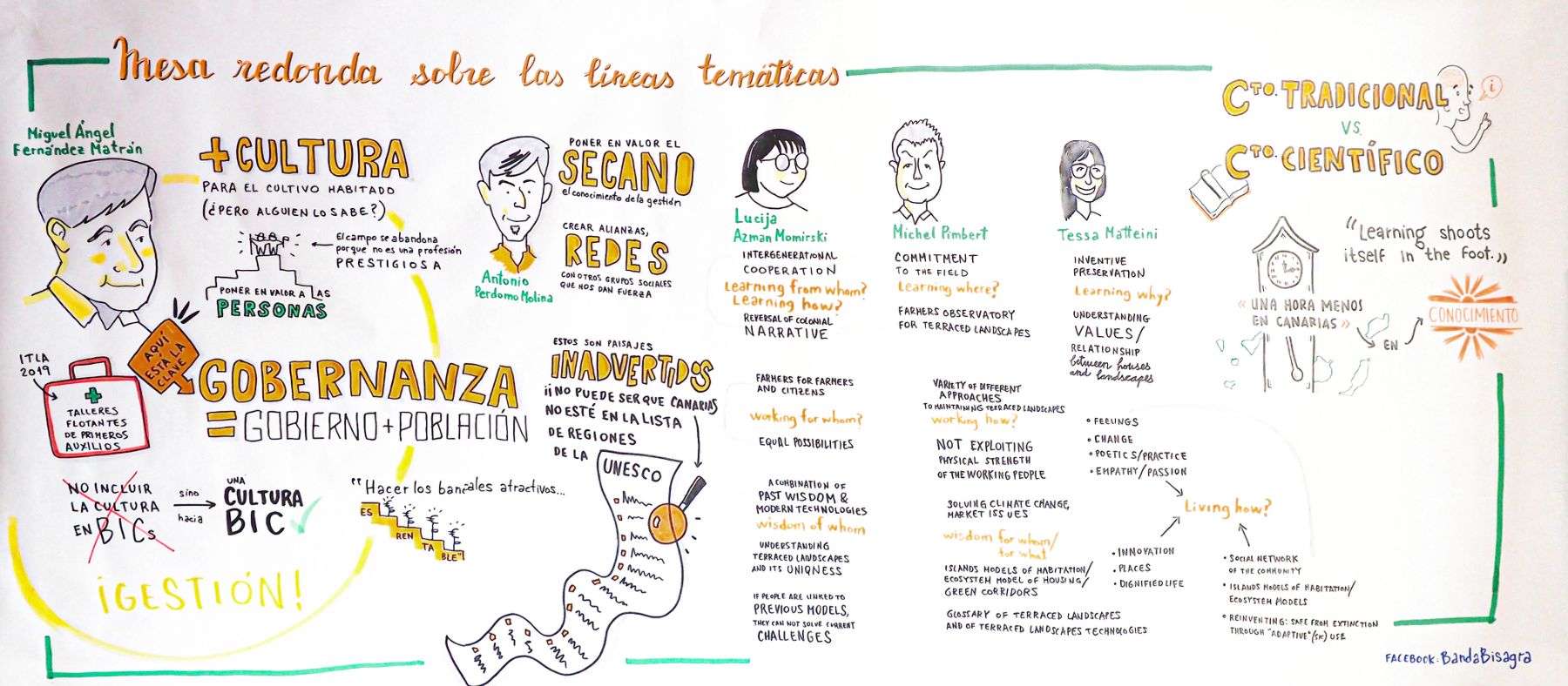
Learning from whom? Learning how? Learning where? Learning why?
Generating knowledge and innovation in TLs means involving actors and actions, skills, values, and preferences, promoting the voices of different participants, and bringing in the attitudes, activities, and interests of people in TLs.
There are several levels of learning about TLs. First is recognizing the existence of TLs, recognizing the values of TLs, and recognizing the deterioration of the material heritage of TLs and the consequences of such deterioration. Mapping existing TLs, abandoned TLs, and TL heritage is essential for commitment in TL areas and is also the basis for innovative preservation of TLs.
Learning is a process of acquiring new or changing existing knowledge, either through separate experience or through the experience of everyday situations, through targeted and organized learning, and through participation. The key questions remain: who are the actors in the learning process and what are their motivations for learning?
Social learning for change was also featured in a number of presentations on TLs in the Canaries, Madeira, and the Cape Verde islands. It was acknowledged that learning can best happen through the meaningful use of the senses (touch, smell, seeing, physical sensations, etc.); there are many forms of experiential-based intelligences other than the purely cognitive intelligence of the mind.
TLs are presented as “ landscapes of opportunities” . However, realising the potential of these opportunities requires a very different model of learning and innovation—a shift from the transfer of technology model to learning and action rooted in the decentralised and bottom-up production of collective knowledge.
Experiences and explorations from within, from participatory fieldwork, offer a variety of conceptual approaches to understand and explain the situation of TLs. New narratives move away from colonial, external views, towards internal, de-colonized minds. Most presentations on TLs (across the Canary Islands) explicitly or implicitly call for a reversal of the colonial narrative, which is based on the needs and visions of powerful others.
Rights and permissions
Open Access. This article is licensed under a Creative Commons CC BY 4.0 license, which permits use, sharing, adaptation, distribution and reproduction in any medium or format, as long as you give appropriate credit to the original author(s) and the source and indicate if changes were made.
About this article
Cite this article
Ažman Momirski, L., Matteini, T., & Pimbert, M. (2020). Key Issues in Terraced Landscapes (TLs). International Terraced Landscapes Alliance Journal, 1(2), 6–15. https://doi.org/10.5281/zenodo.7341151
- Published
- December 2020
- Issue
- Volume 1, Number 2
- Journal
- International Terraced Landscapes Alliance Journal, ISSN 2754-7639 (Online)
- Archive
- Zenodo record 7341151
- terraced landscapes
- living
- wisdom
- labor
- learning