
Visual Chronicler of the Atlantic Terraces
Affiliations
- 1 Rincones del Atlántico, Canary Islands, Spain
Issue editors: Tomaž Berčič iD, Timmi Tillmann, Maruja Salas
The Art of Terraced Landscapes volume 3, issue 2, pp. 1–60 (2025) · Cite this article
- 84 views
- 145 downloads
- DOI10.5281/zenodo.15910689

Abstract
Daniel Fernandez Galvan is an effervescent publisher of the Journal Rincones del Atlántico (Corners in the Atlantic Ocean). Since 2003 he has accomplished 10 volumes. We met him during the preparation phase of the 4th Congress of Terraced Landscapes on Canary Islands titled Reenchanting Terraced Landscapes that took place in 2019. Very soon a common understanding emerged from our conversations related to the relevance of demonstrating visually what is the complexity of human constructed landscapes in the context of the Canary Islands. Daniel assumed the selection and display of an exhibition of Photographs of Terraces’ Past and Present at the International Centre of San Sebastian in La Gomera offering a space of reflection for the final workshops of the Congress. The photos of the exhibition were compiled in a book as part of the Congress publications Re-encantar Bancales, Canarias ayer y hoy (siglos XIX, XX y XXI)
Keywords
- Terraced Landscapes Conservation
- Cultural and Natural Heritage Canary Islands
- ITLA
- Terraced Landscape
- Terraces
Landscapes of the Past and Present
Daniel Fernandez Galvan is an effervescent publisher of the Journal Rincones del Atlántico (Corners in the Atlantic Ocean). Since 2003 he has accomplished 10 volumes. We met him during the preparation phase of the 4th Congress of Terraced Landscapes on Canary Islands titled Reenchanting Terraced Landscapes that took place in 2019. Very soon a common understanding emerged from our conversations related to the relevance of demonstrating visually what is the complexity of human constructed landscapes in the context of the Canary Islands. Daniel assumed the selection and display of an exhibition of Photographs of Terraces’ Past and Present at the International Centre of San Sebastian in La Gomera offering a space of reflection for the final workshops of the Congress. The photos of the exhibition were compiled in a book as part of the Congress publications Re-encantar Bancales, Canarias ayer y hoy (siglos XIX, XX y XXI)
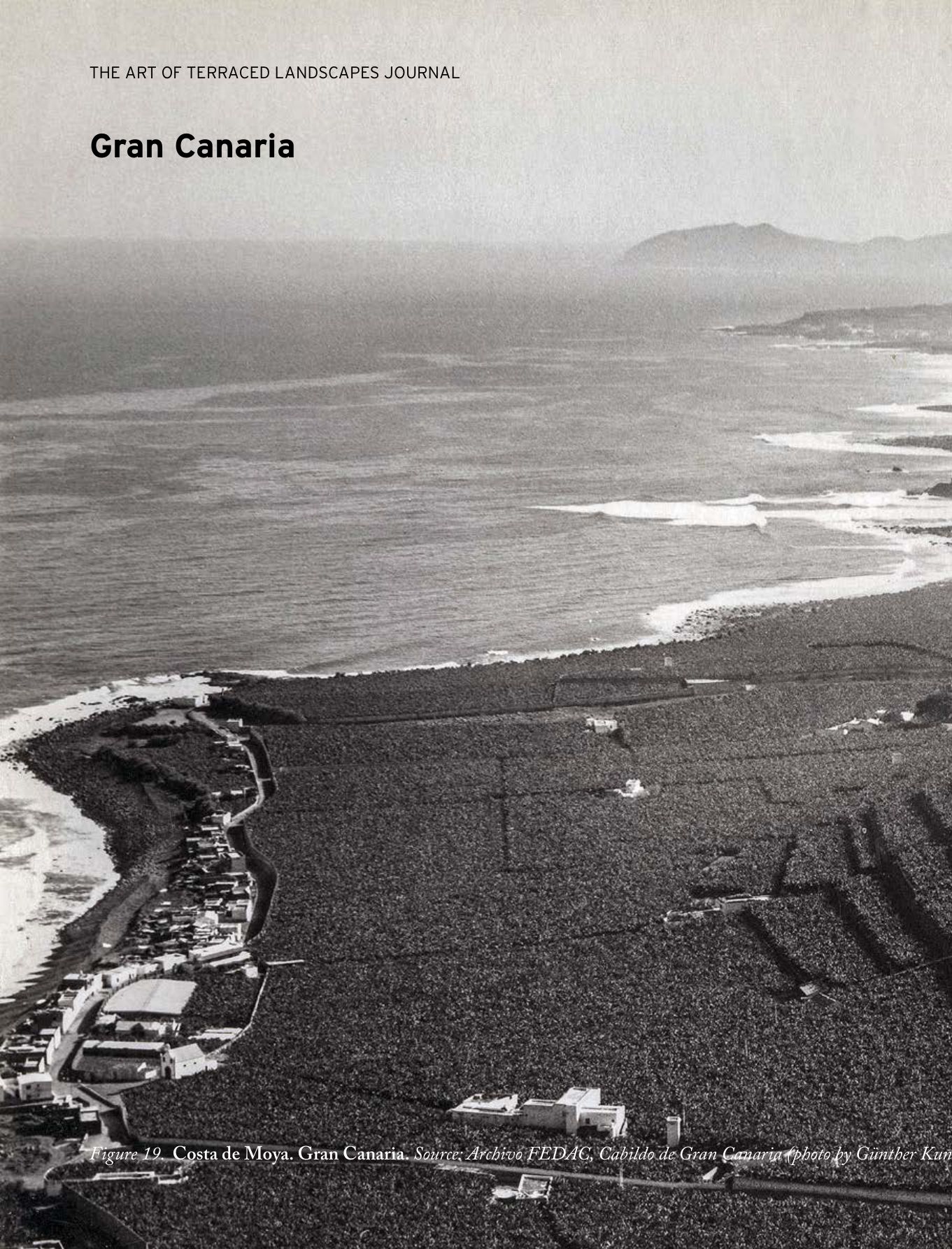
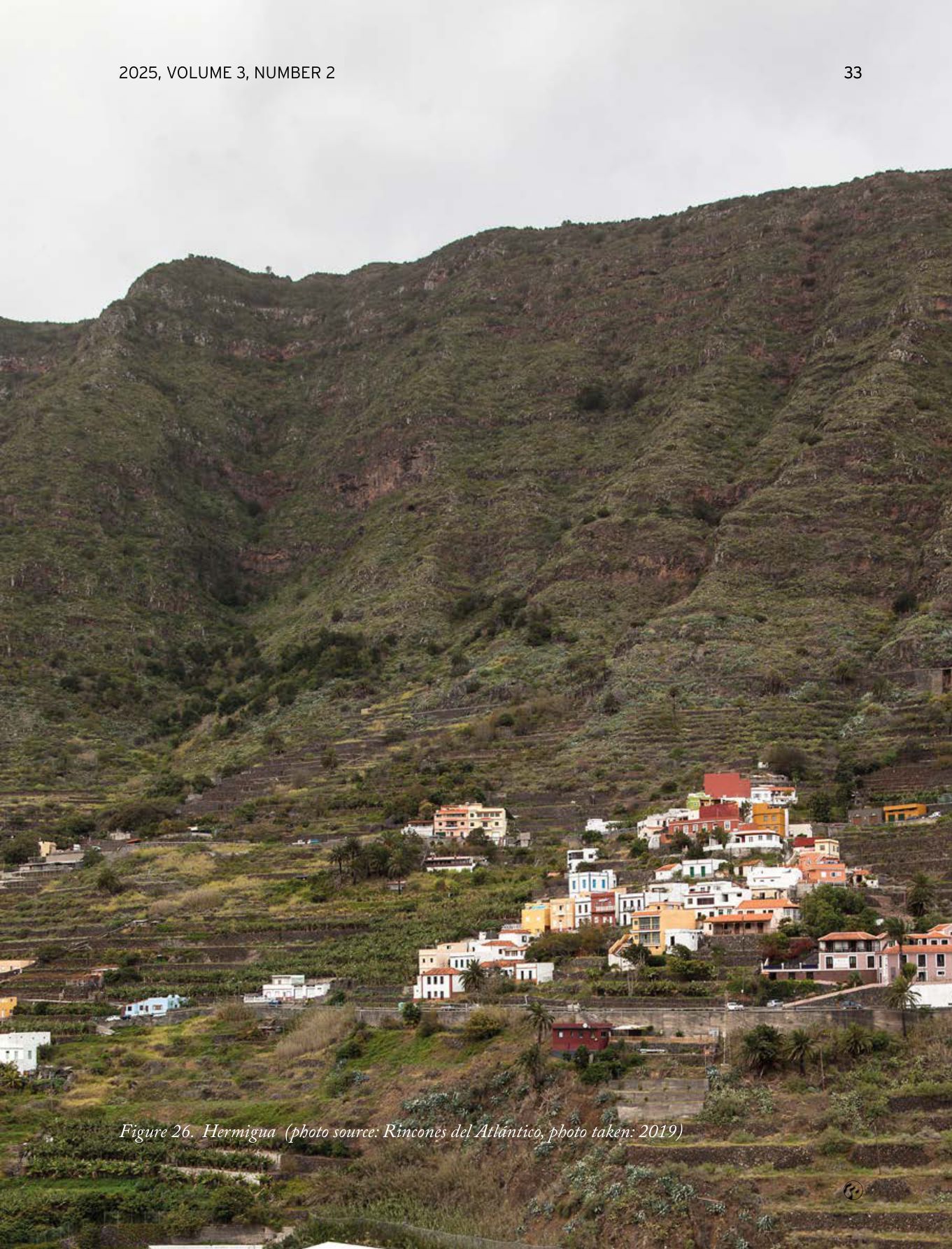
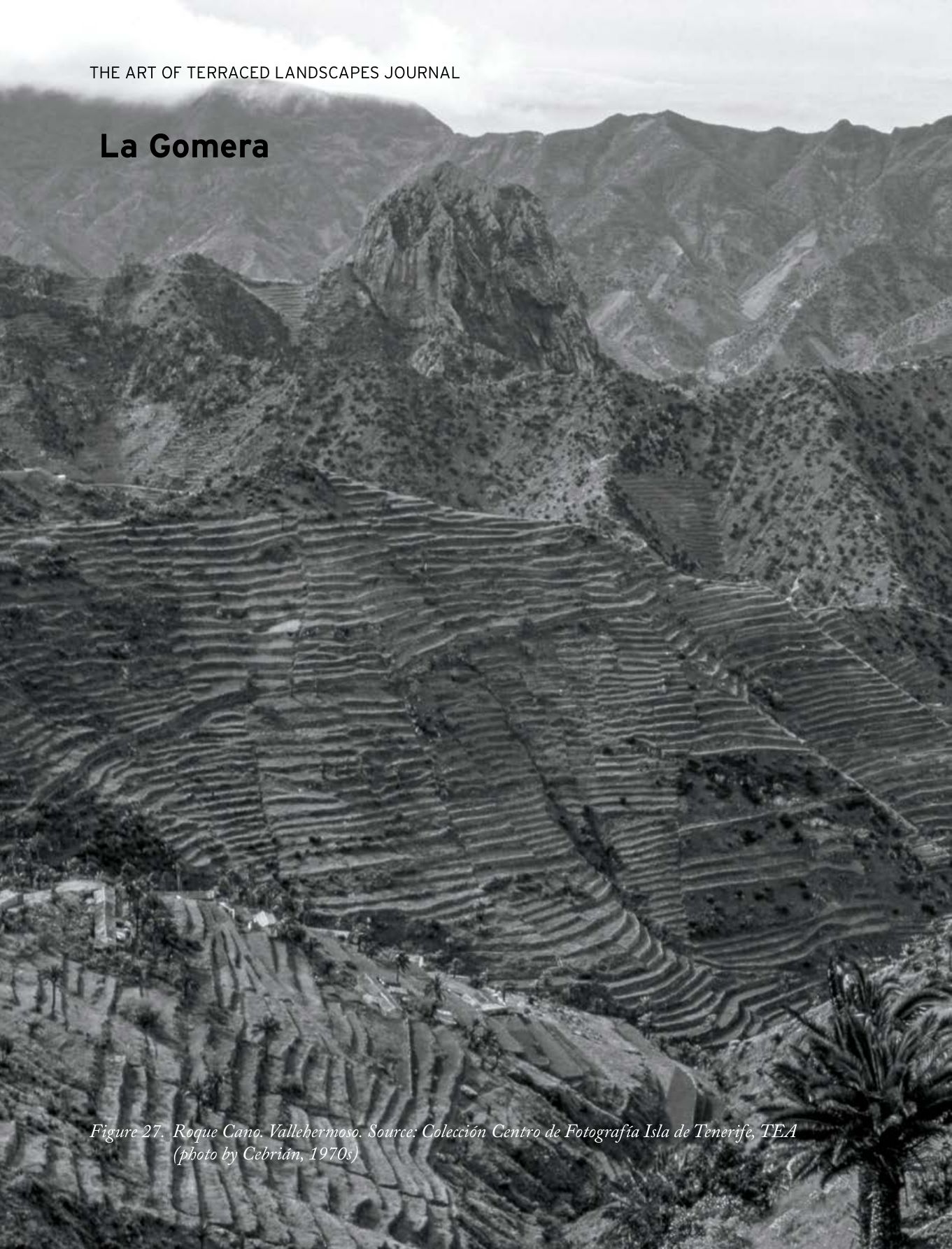
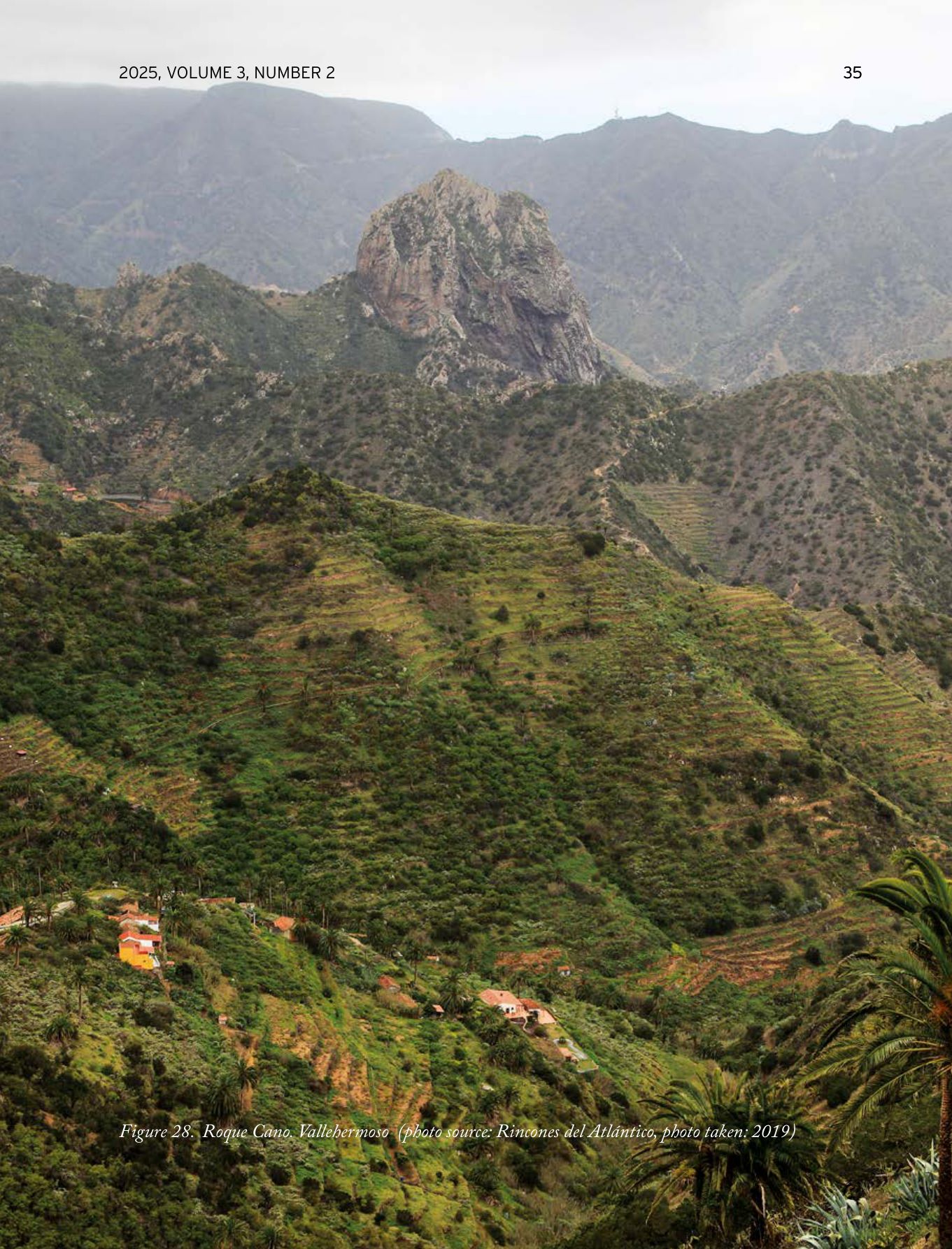
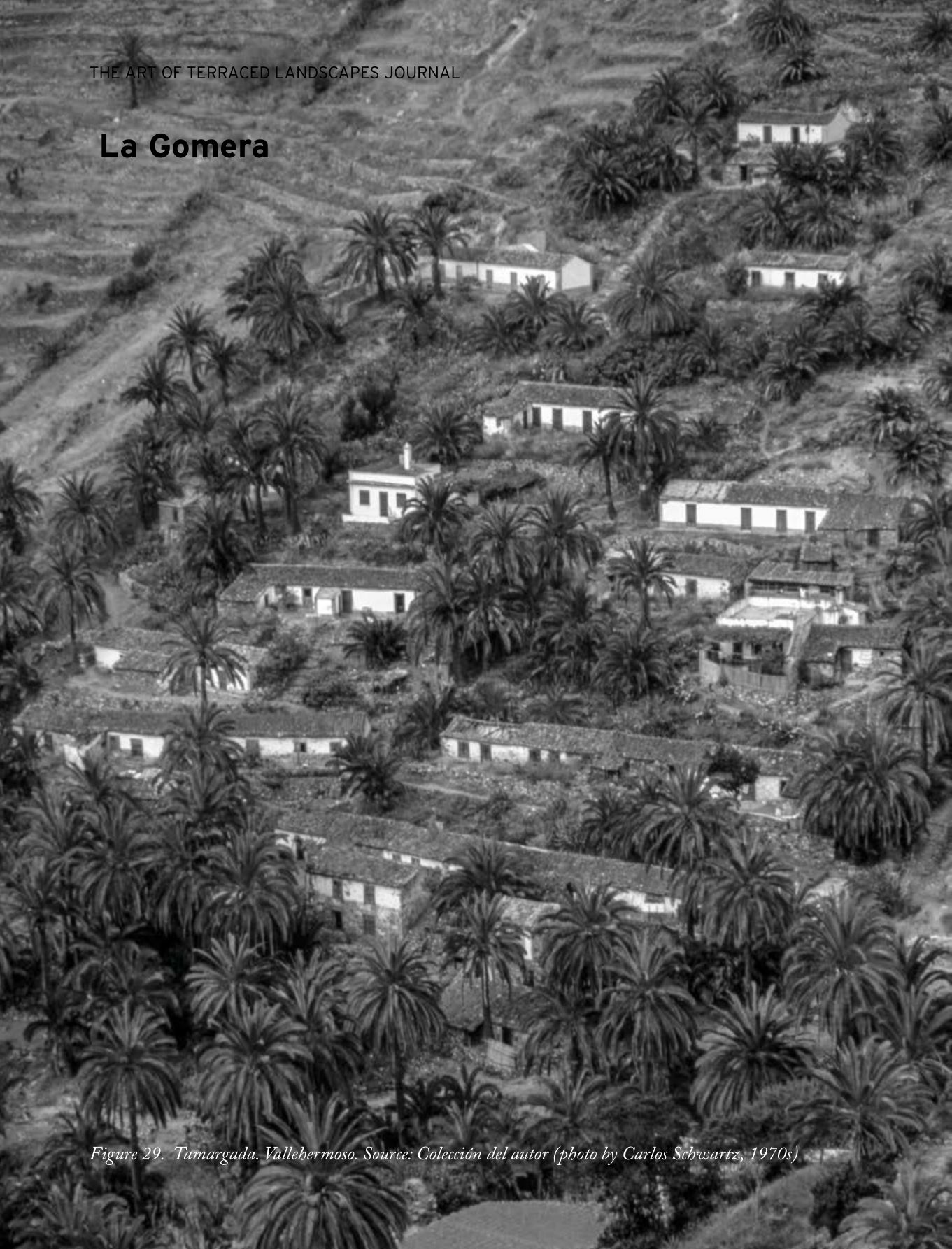
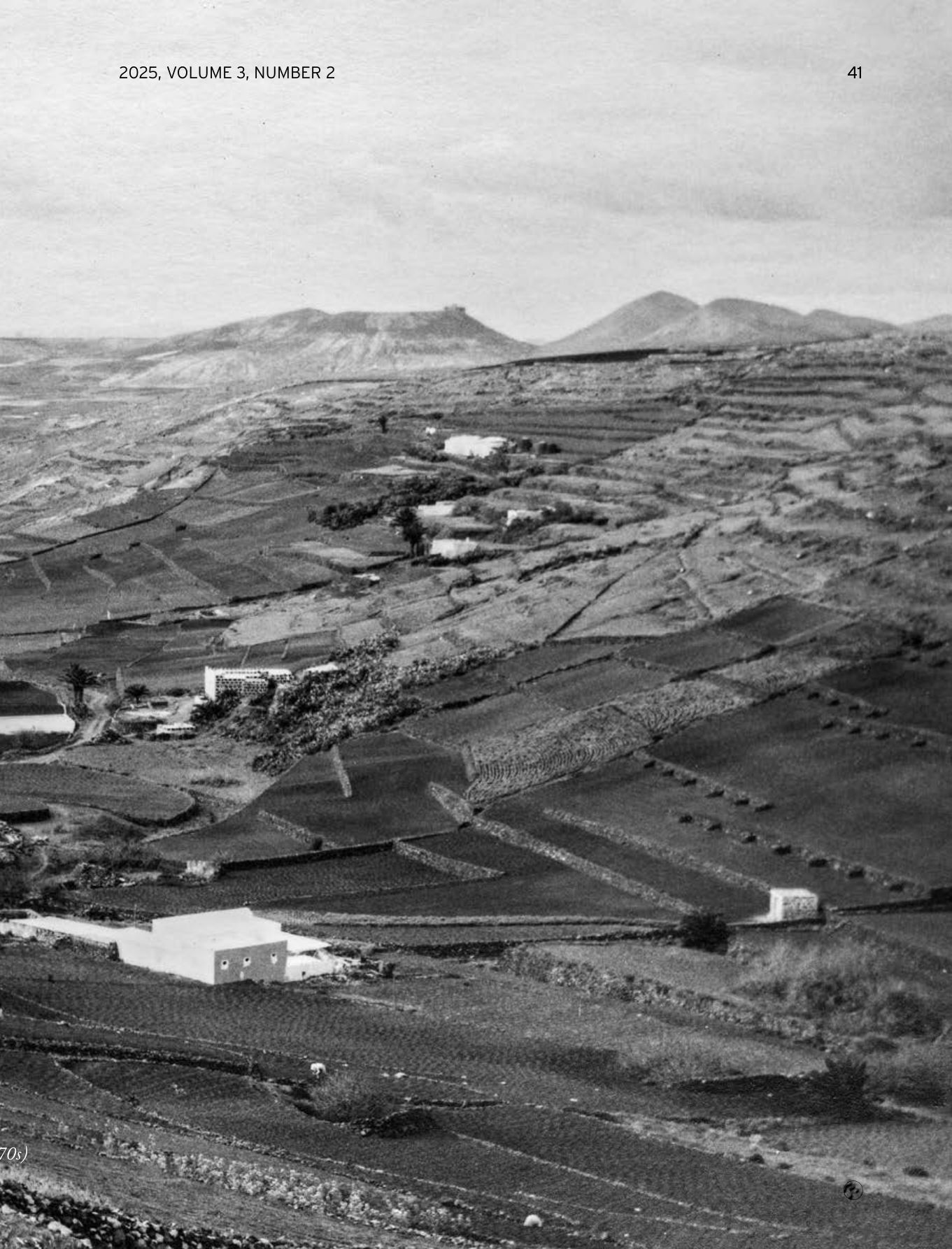
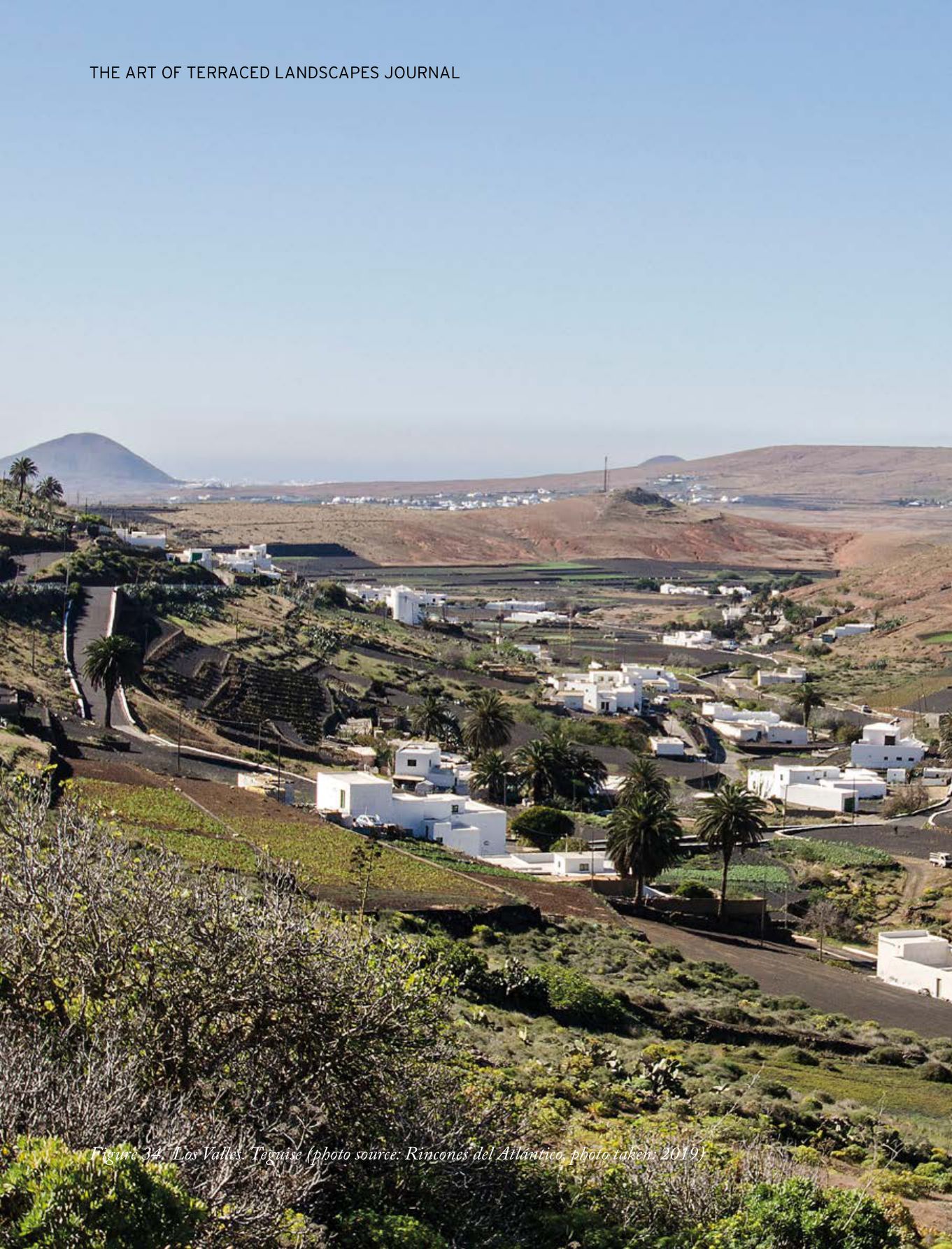
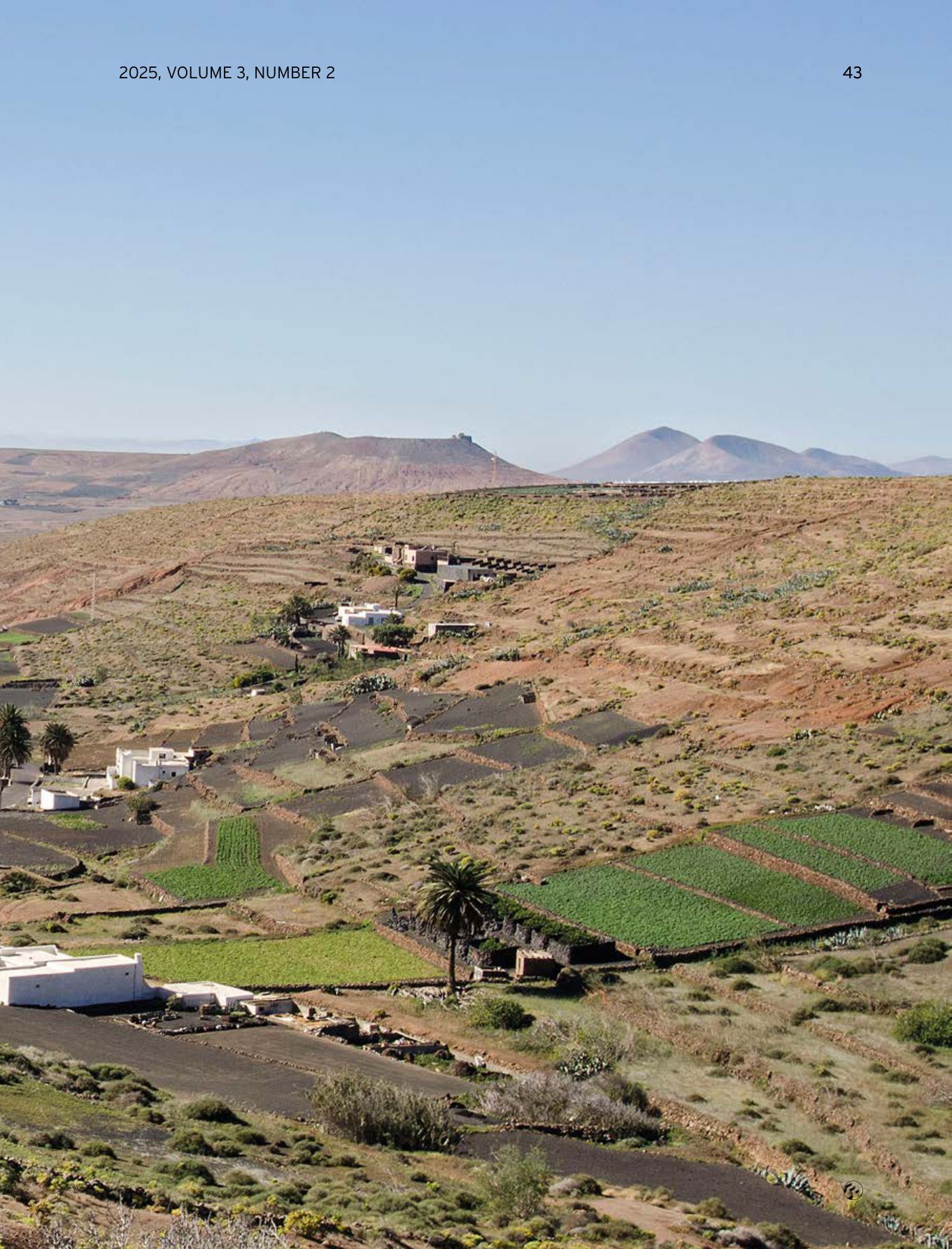
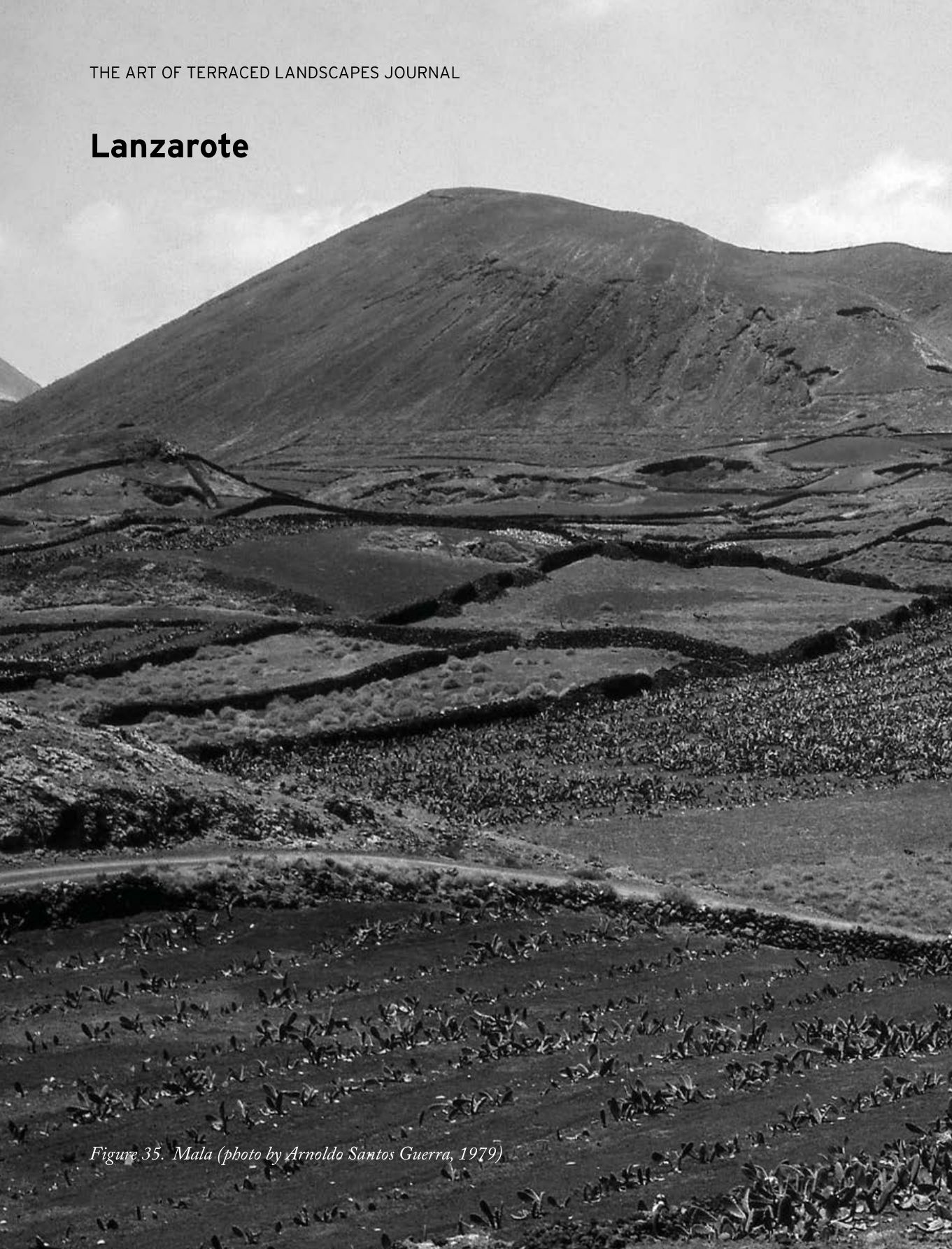
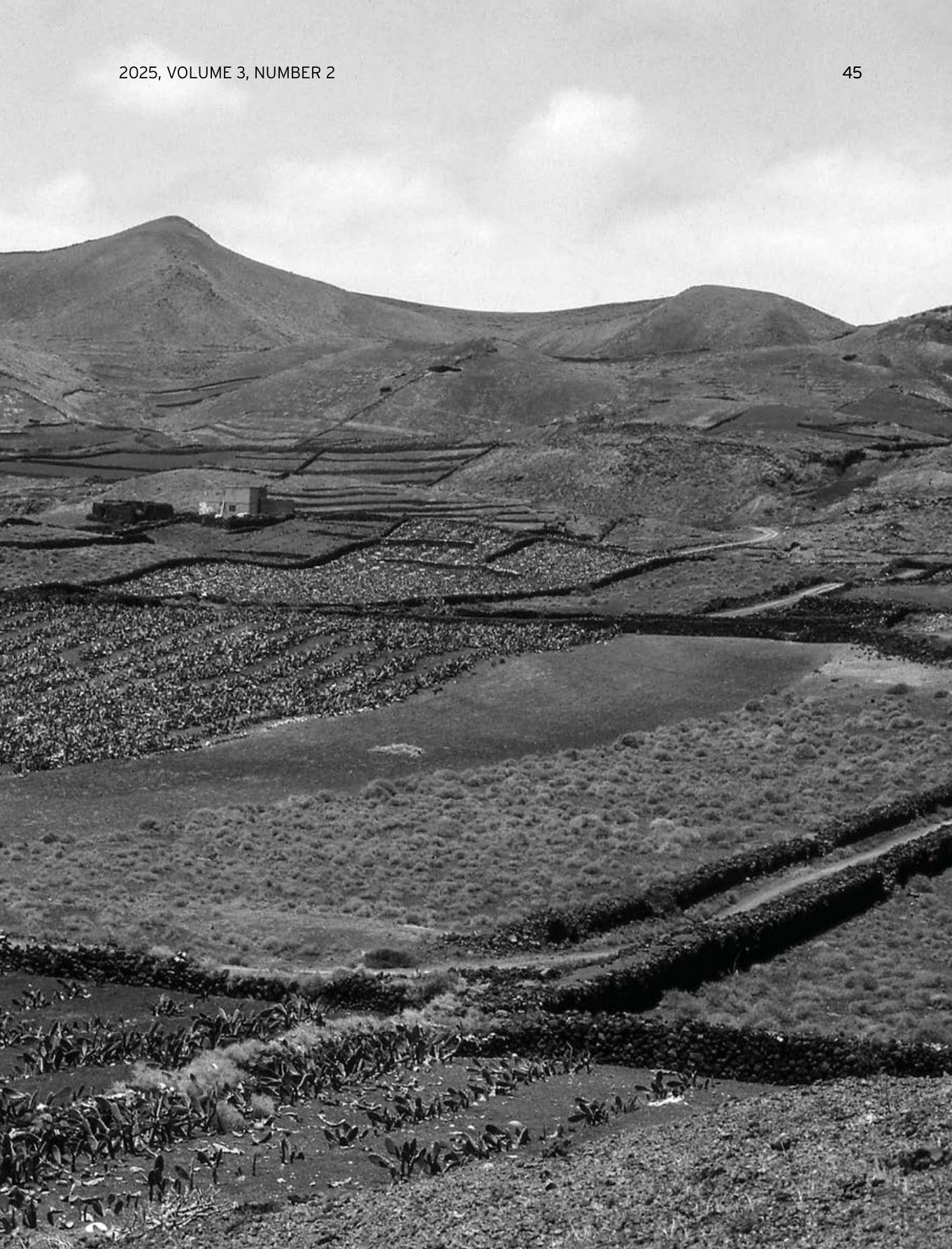
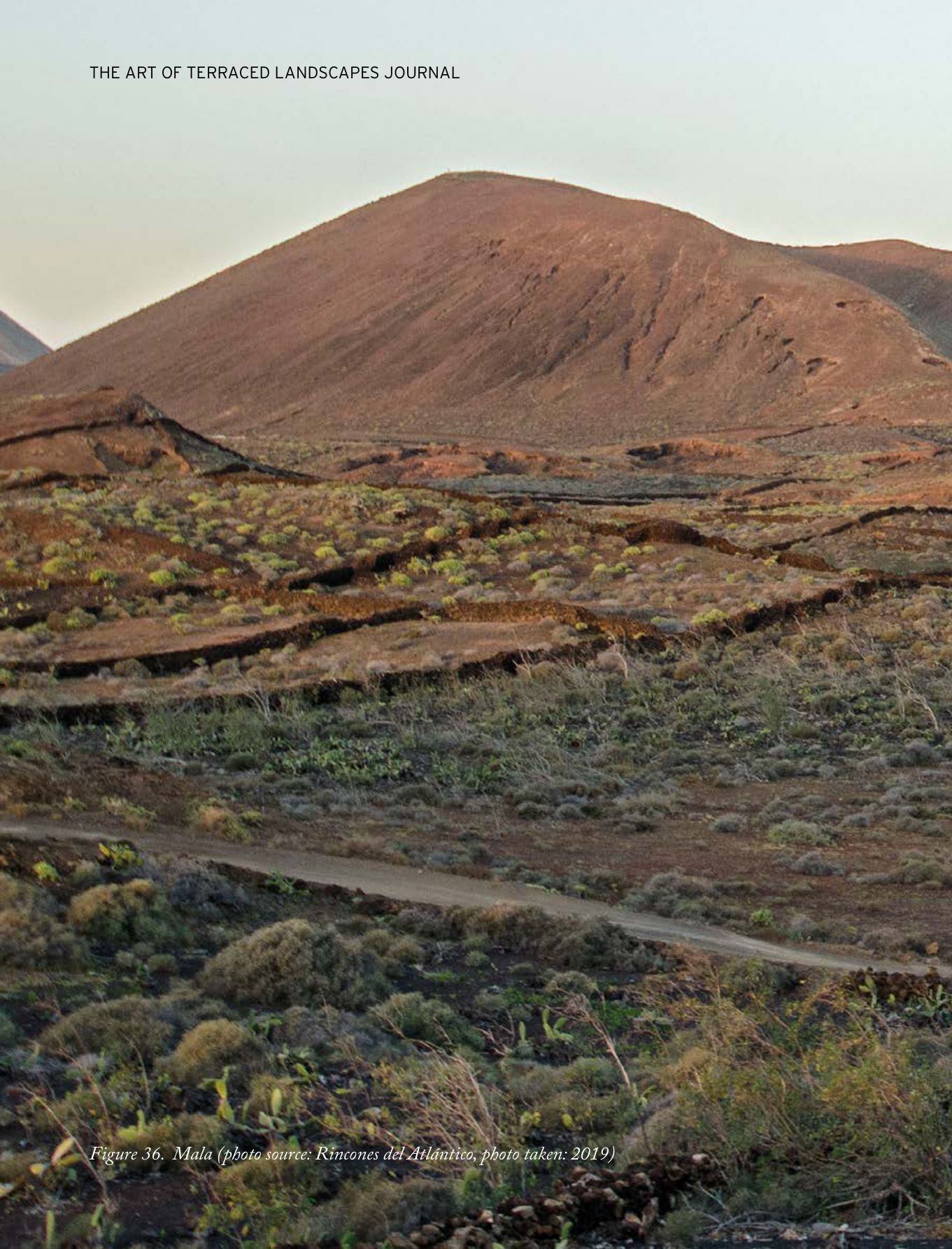
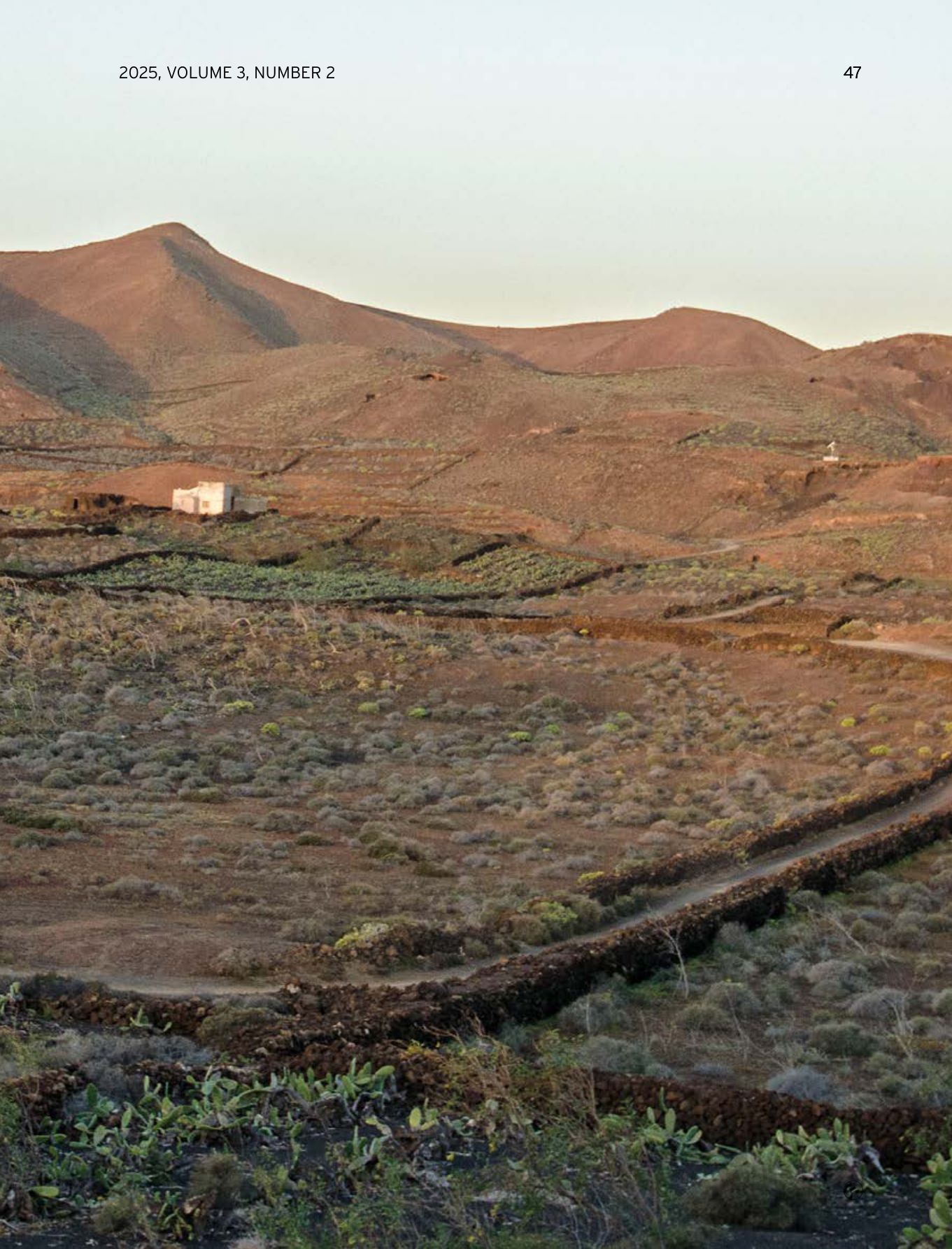
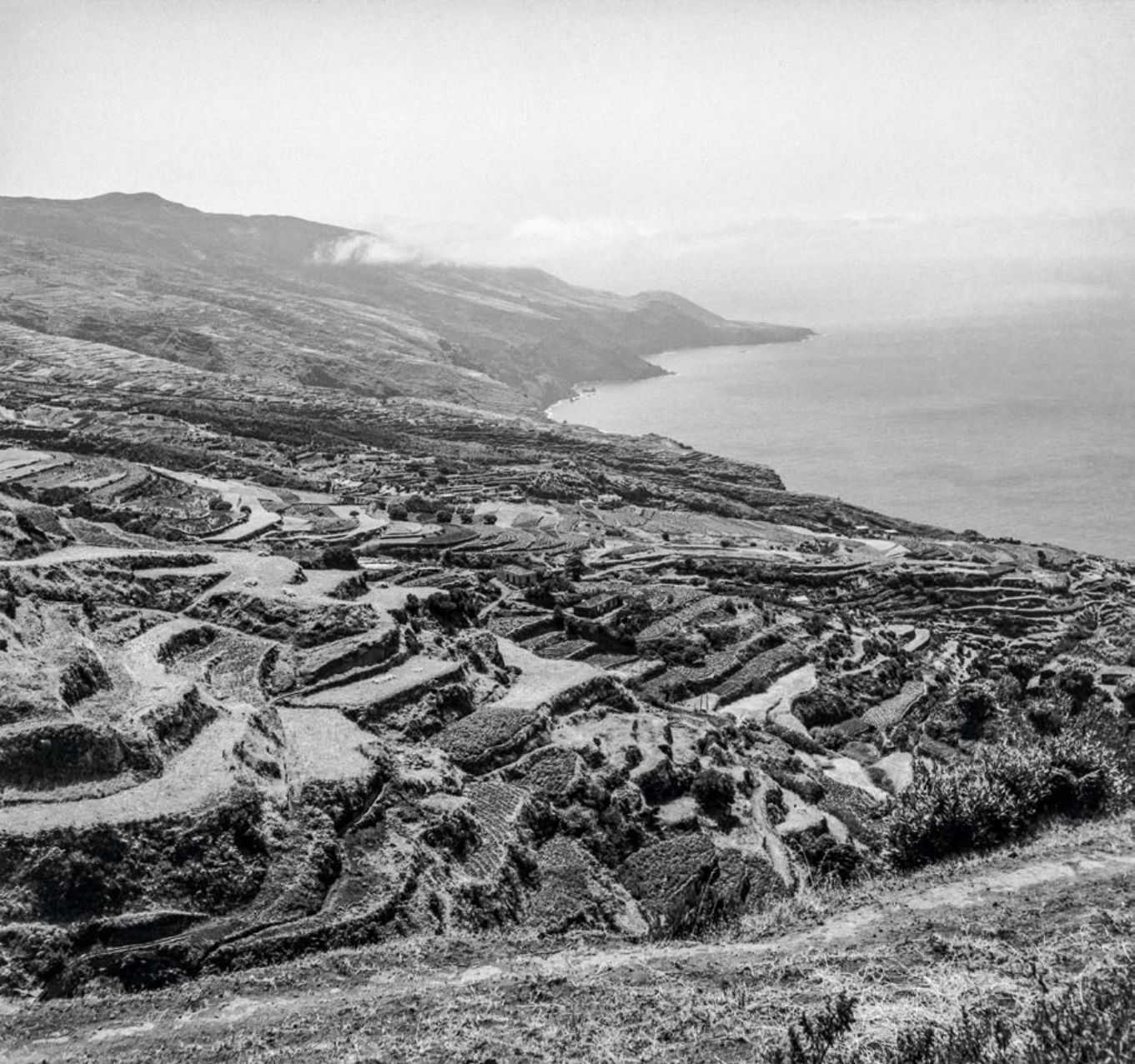
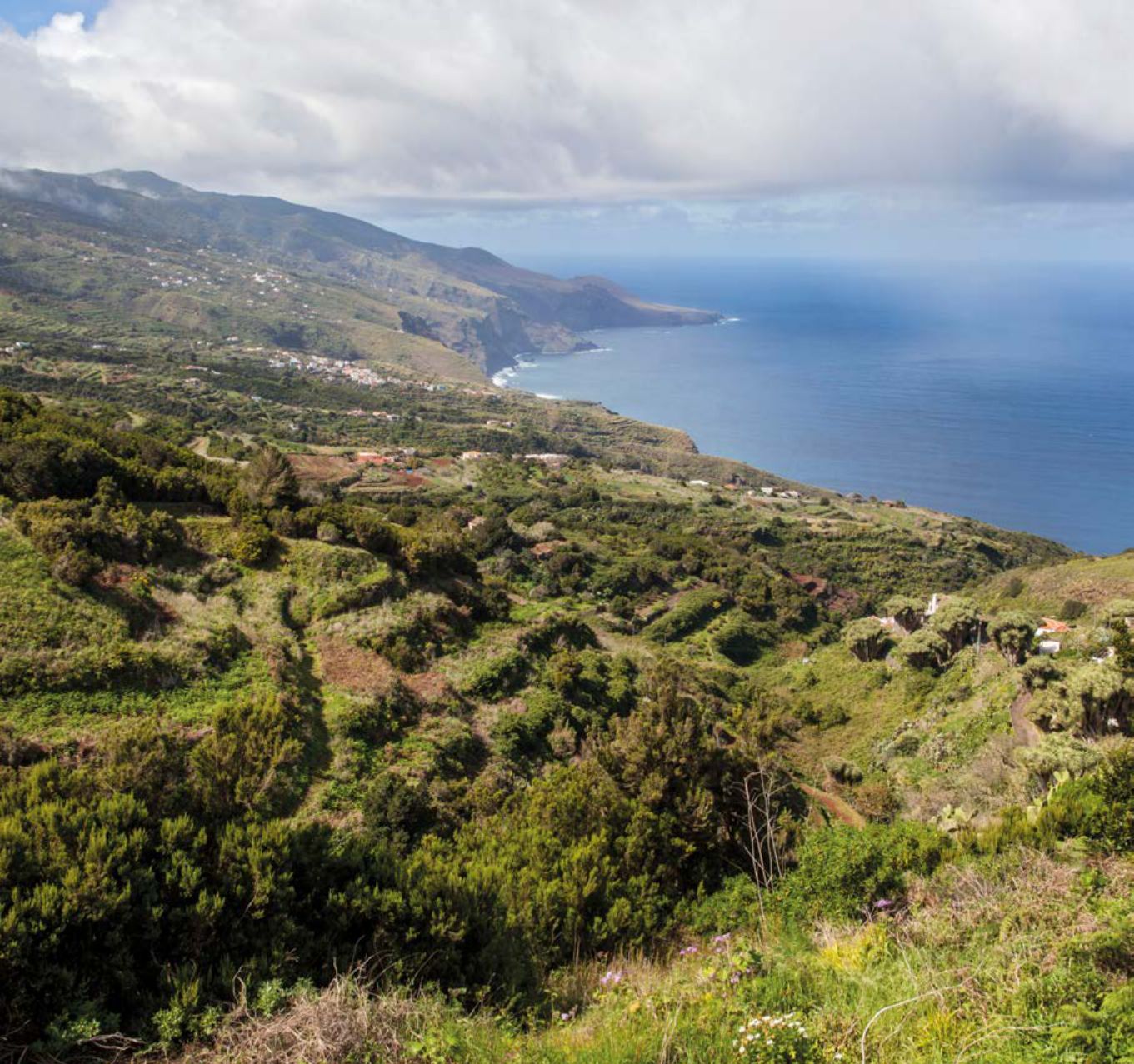
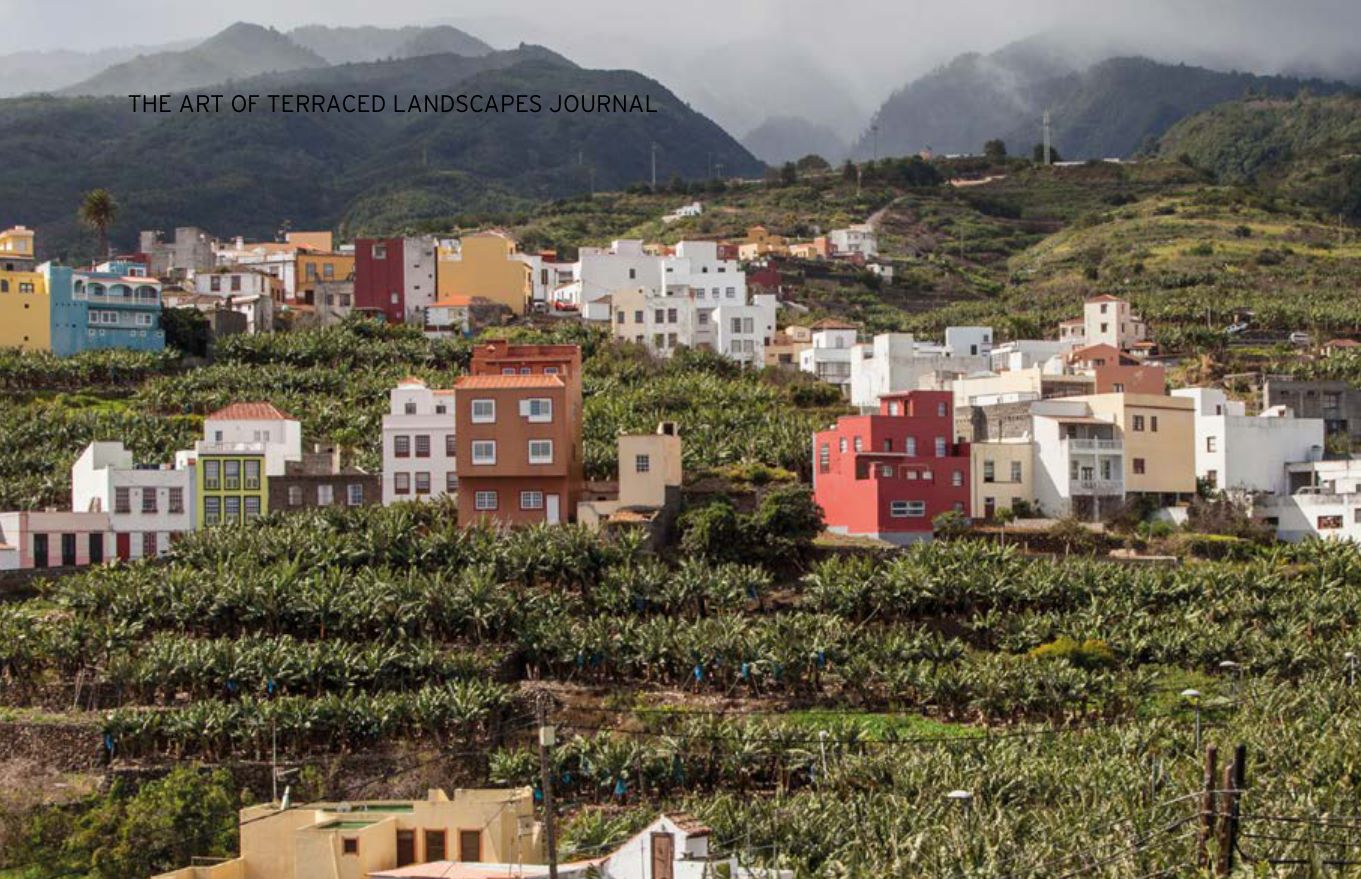
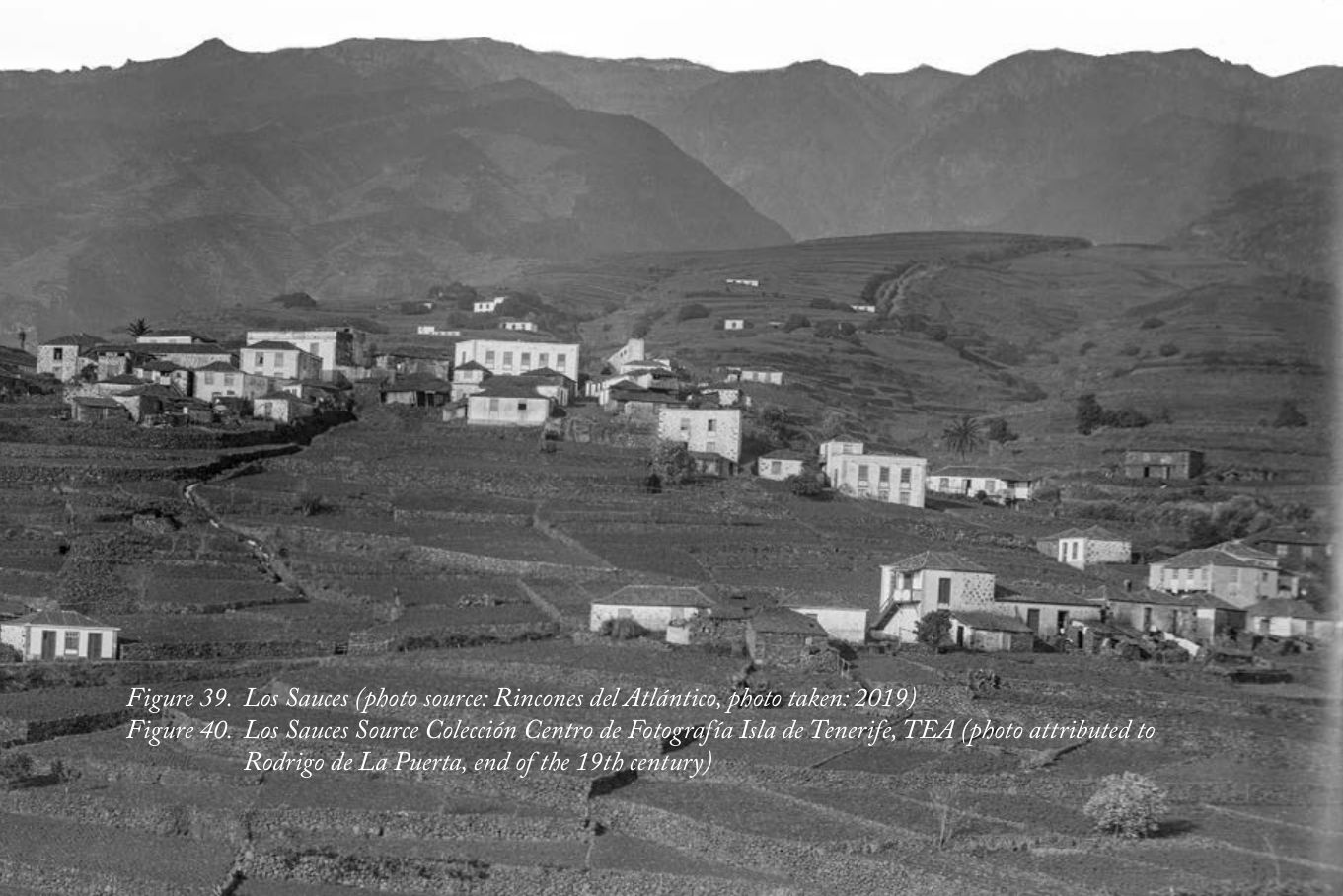
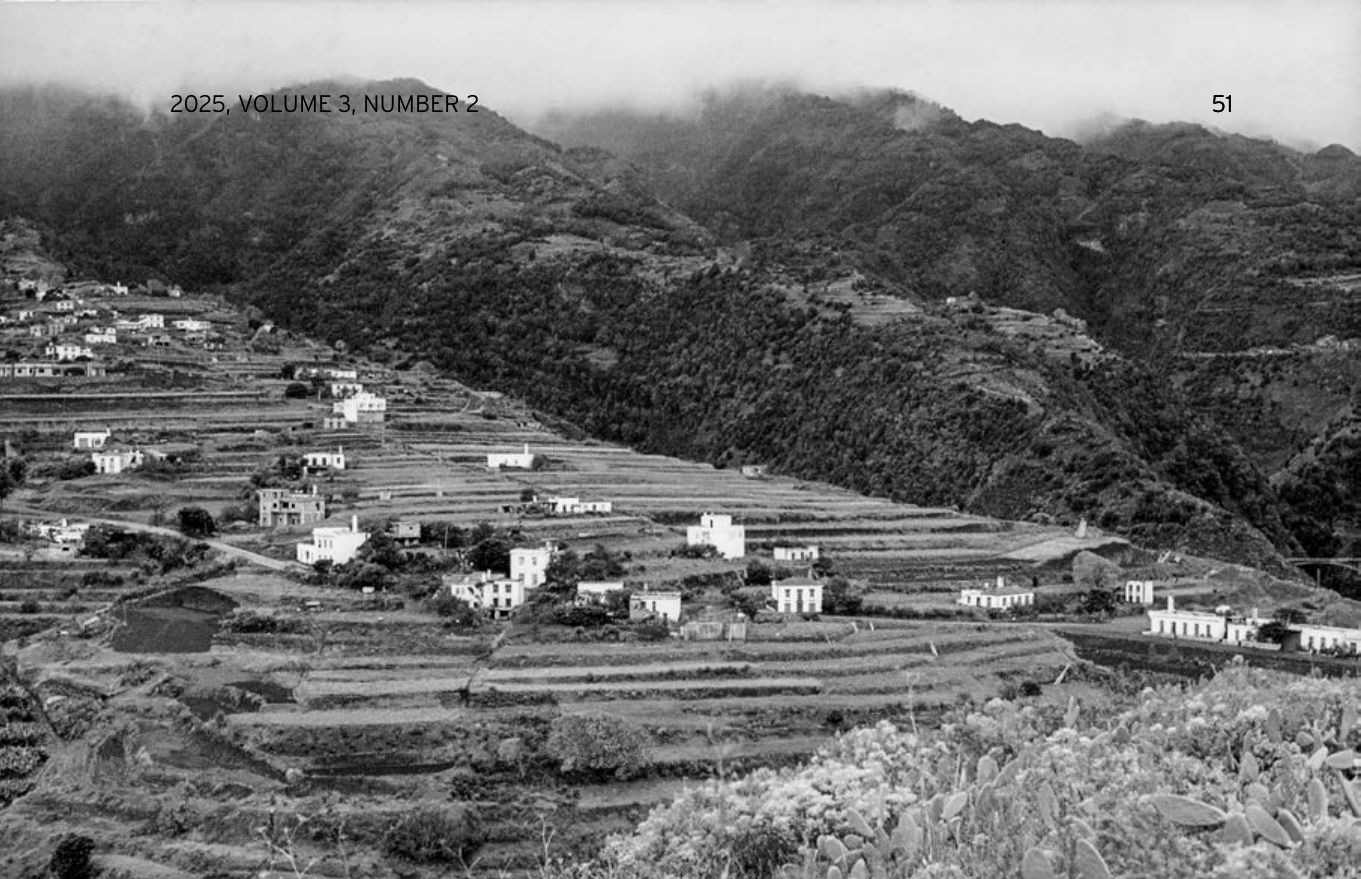
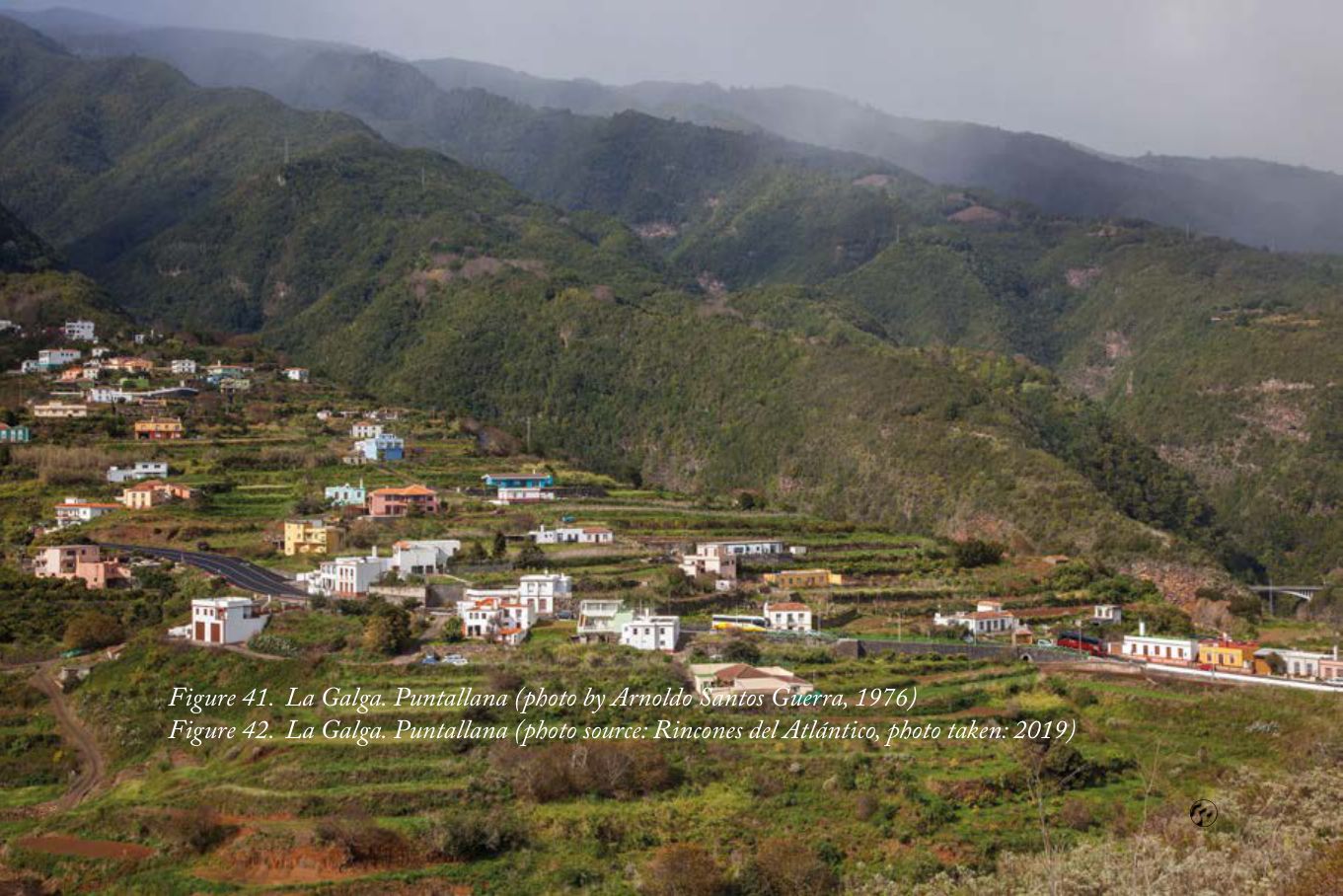
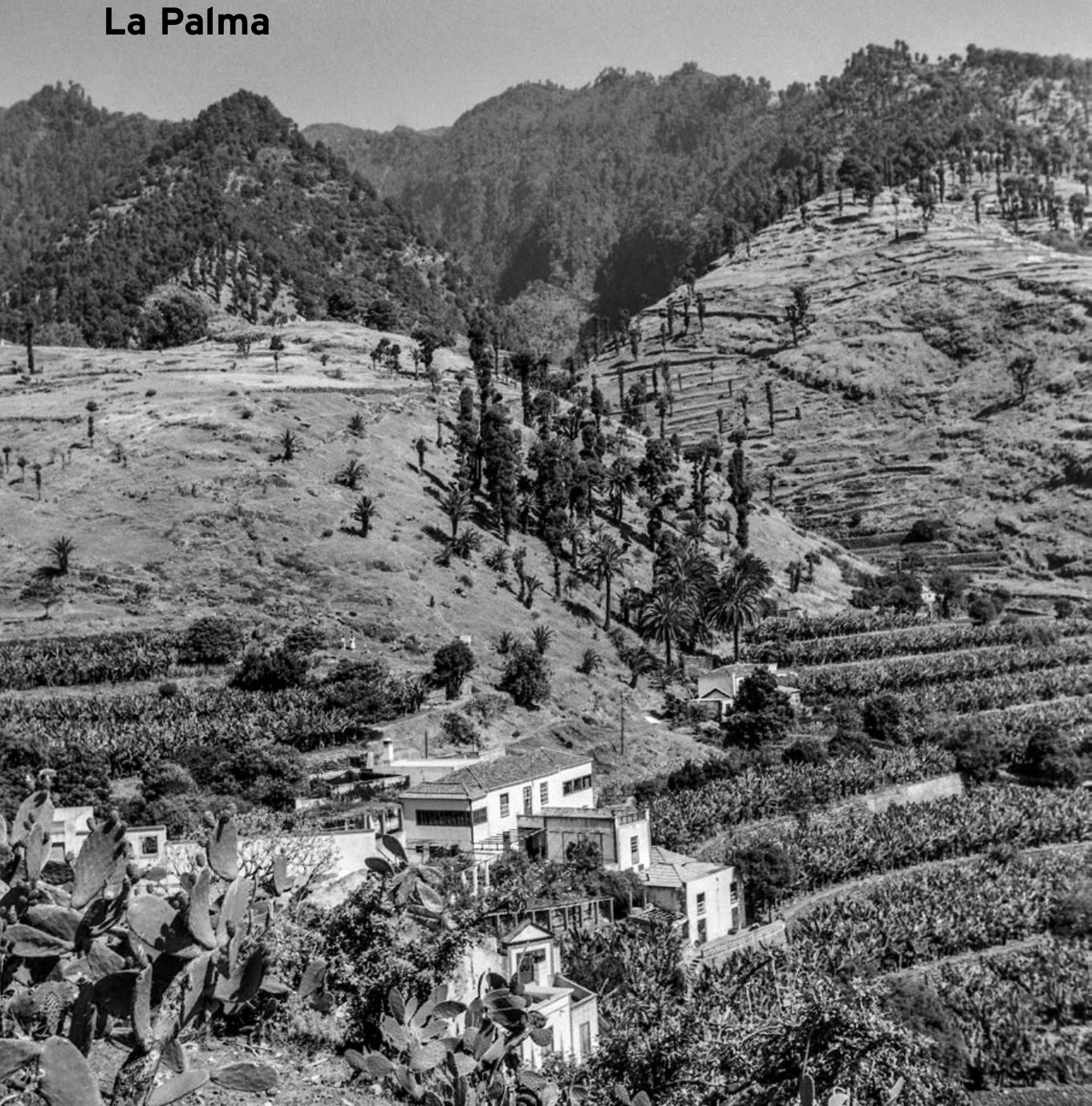
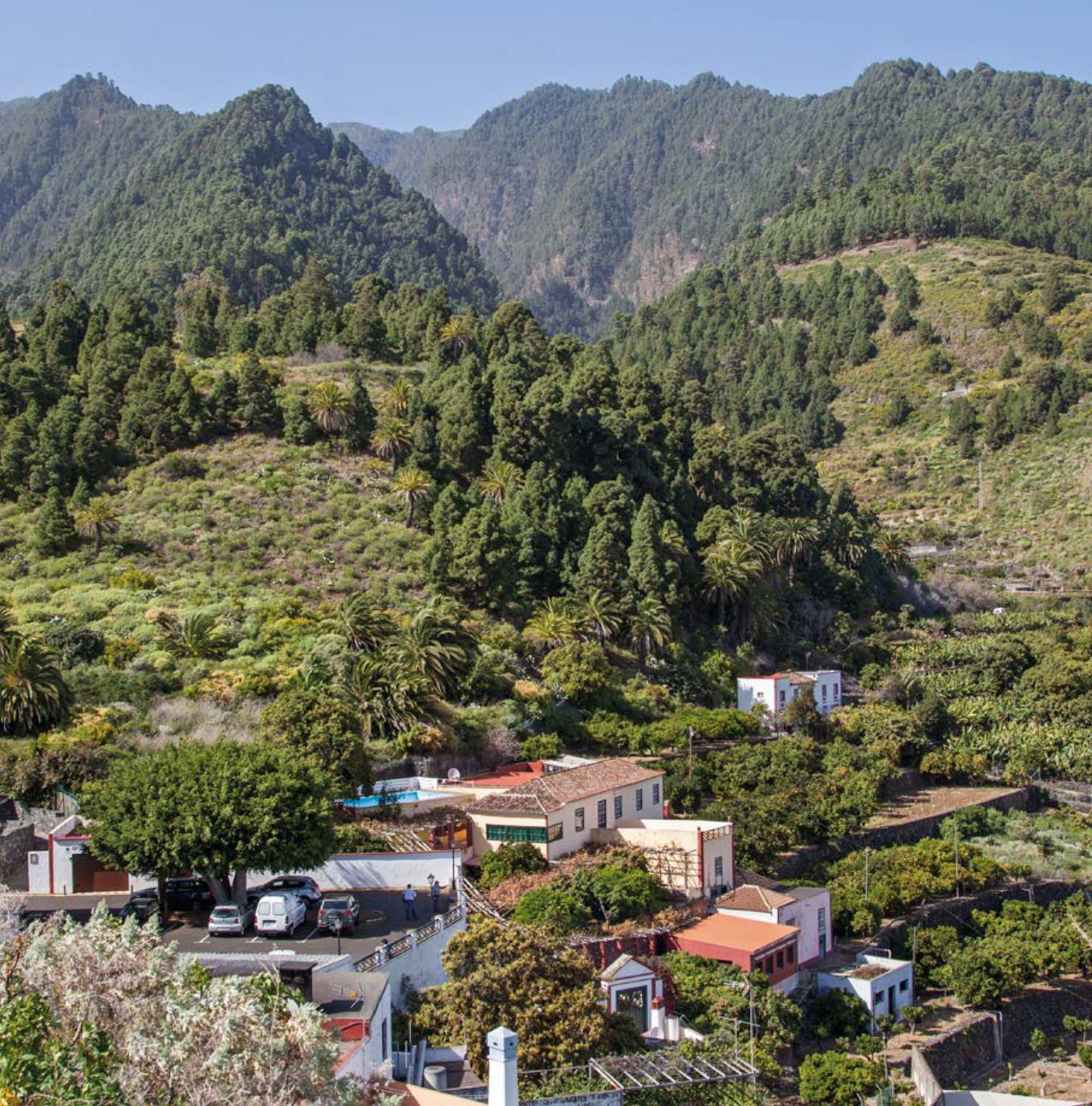
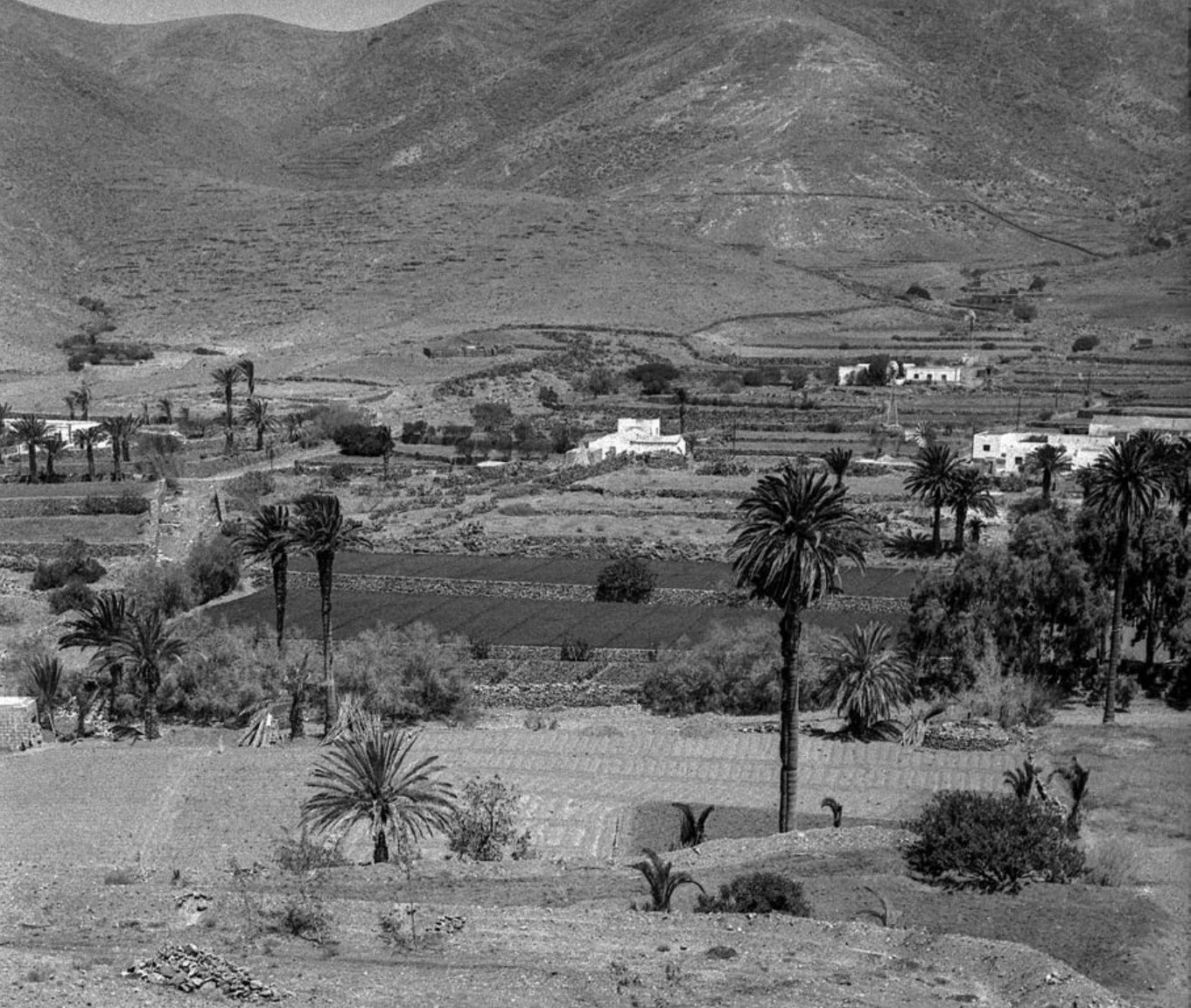
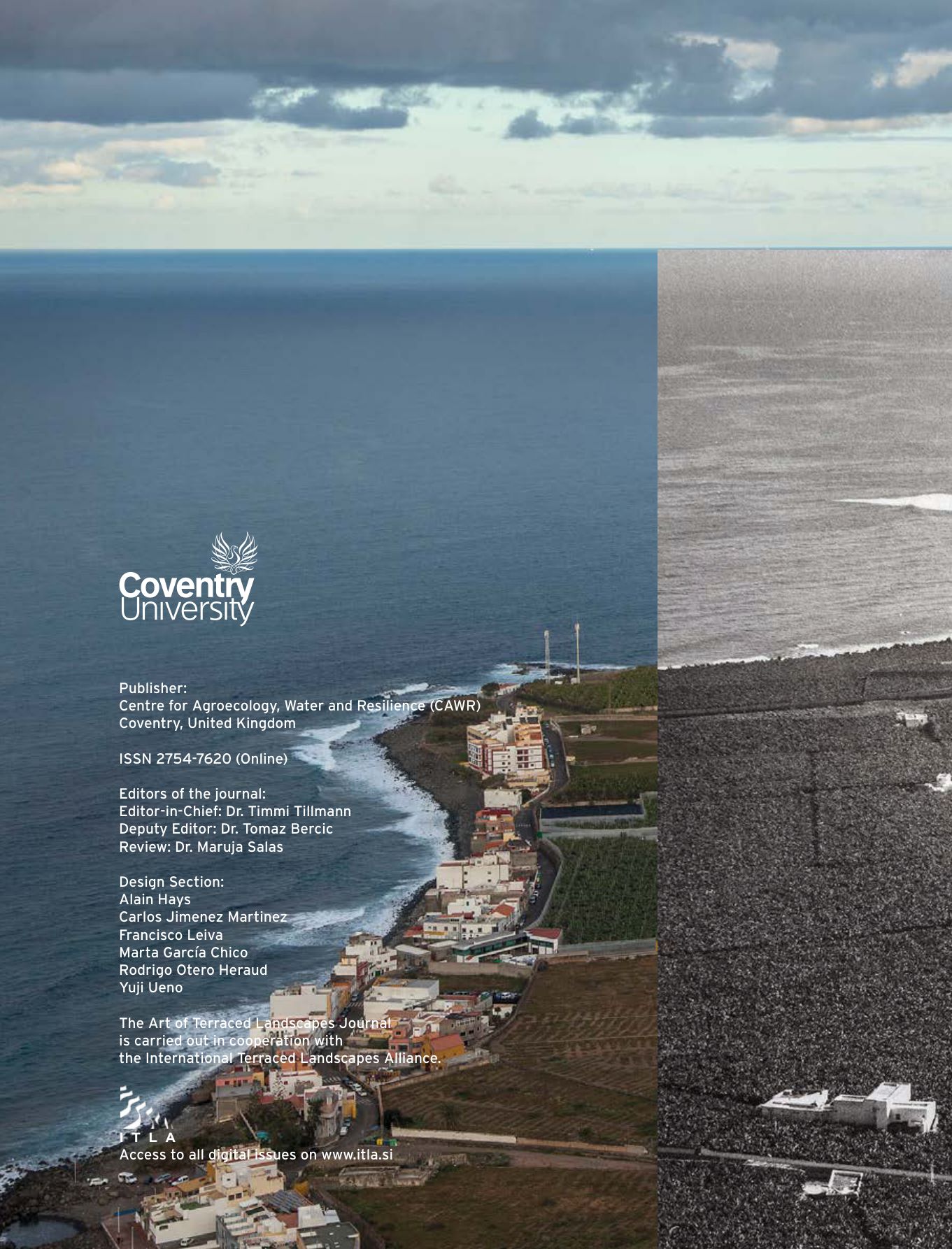
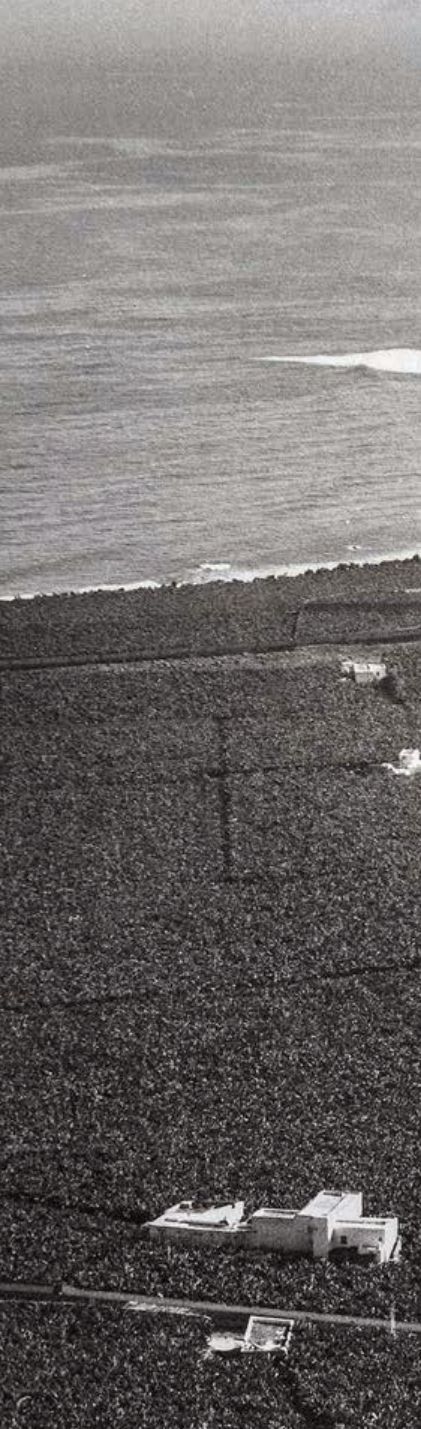
For this ITLA Art Journal Vol 3 No 2 Daniel is contributing with a sample of pictures from the Canaries with the intention to reflect on the historic changes of the landscapes, to stimulate a global response to reenchant the terraces and the rural people’s livelihoods. The photos here presented belong to the Archives of Rincones del Atlántico and were selected by Daniel for this special issue.
Herewith we invite our readers and members to contribute with their own of photos of Past and Present from other regions, countries and continents to be published in a future volume and very special issue of our ITLA Art Journal.
Timmi Tillmann Agricultural Anthropologist, Editor of ITLA Art Journal and Global Coordinator of ITLA
Reviewed by Maruja Salas, Cultural Anthropologist, ITLA Review Team
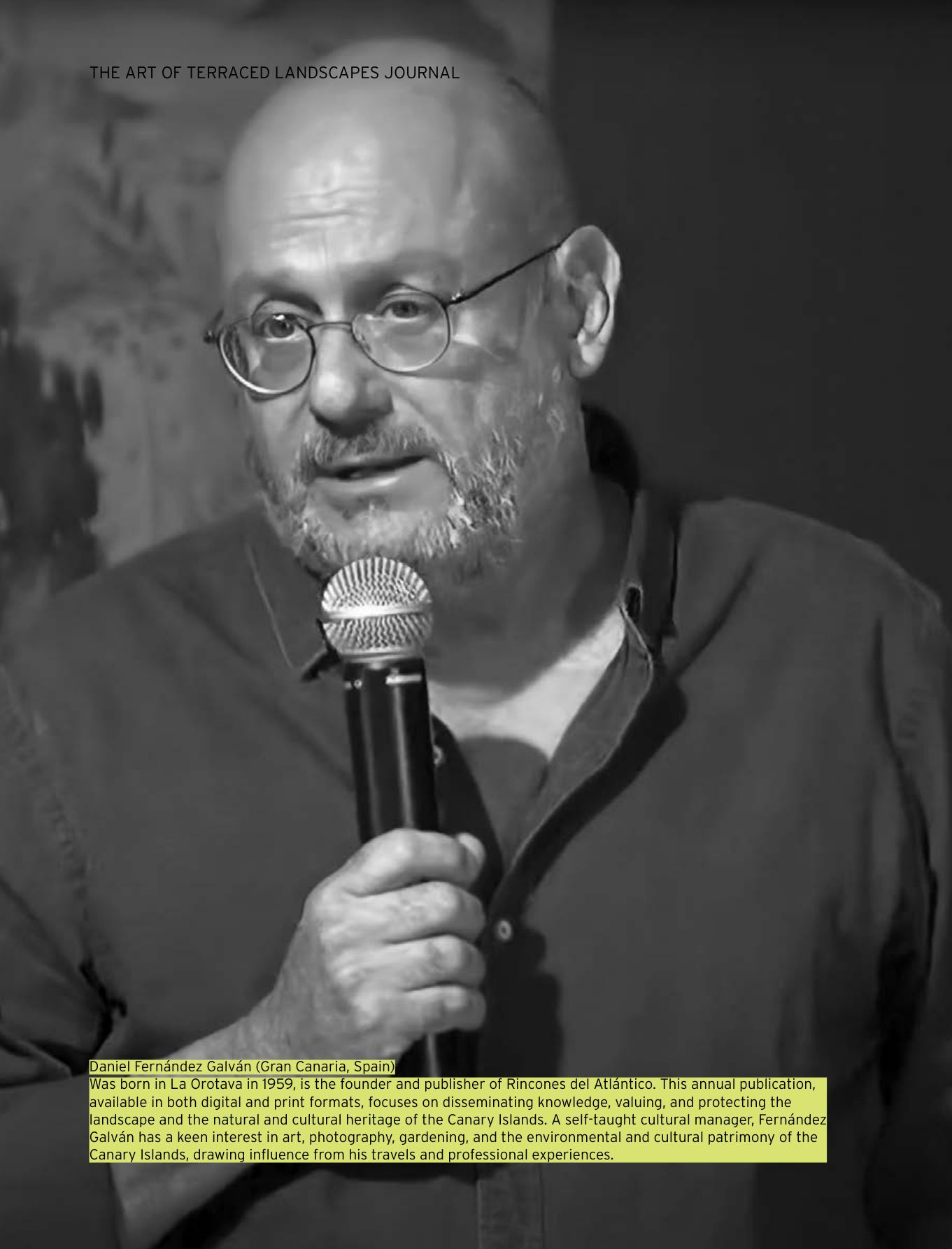
Visual Chronicler of the Atlantic Terraces
Daniel FERNANDEZ GALVÁN
In the last 5 years Daniel has been engaged with the editing of the 11th volume of the Journal ‘Rincones del Atlántico’, a unique and fascinating combination of illustrations, photos and documentation in Spanish for which ITLA supports Daniel’s call for crowdfunding. Please consider a voluntary financial donation to this journal https://crowdfunding.rinconesdelatlantico.com/ and you will receive a copy of the new journal coming out this year.
Rincones del Atlántico and the ITLA Manifiesto from Padua share a common spirit and values regarding the importance of Terraced Landscapes therefore we publish their editorial philosophy:
“Rincones del Atlántico is an (annual) publication that is also published in digital format. Its purpose is to disseminate knowledge, appreciation and protection of the landscape and the natural and cultural heritage of the Canary Islands. A useful tool for educators, students, local development activists... interested in initiatives based on the culture, traditions, environment, agriculture, nature and landscape of the Canary Islands and neighbouring archipelagos.
Rincones del Atlántico was created with the aim of transmitting, in an informative, entertaining and didactic way, with rigour and quality, the value and beauty of the landscape of these islands and the enormous importance of its conservation, from a pedagogical, humanist, ecological, ethical and constructive perspective, offering ideas and alternatives for a truly sustainable, harmonious, rational, eco-efficient and sustainable development. ‘To know in order to love and to love in order to care, protect and conserve’. Landscape is one of the most important values in the relationship of individuals and societies with their environment. When things are done in the right and respectful way, it improves the well-being, self-esteem, identity and quality of life of citizens. It is a right to live in a dignified, healthy, beautiful environment, in balance with nature, and a duty of all citizens and administrations to do what is necessary to take care of it and keep it that way for future generations.
It is essential to know and promote the importance of conserving and caring for the landscape, the natural resources and the cultural heritage of this archipelago. To raise awareness among young people and society in general of the need to protect landscape values and to become aware of the impact of human action on the natural environment. To bet on the quality of the landscape is to bet on the quality of life of the people who live in these territories.
From the very first issue, our aim has been to offer ideas and plant seeds and to collaborate from this corner of the Atlantic to the good health of our planet, to walk together towards a fairer society in balance with nature that provides a dignified and good life for those who live here now and for future generations, that favours a social, ethical, supportive, eco-efficient, respectful and creative regeneration... based on cooperation and the value of nature, based on cooperation and on the valorisation, care and protection of the territory’s resources.”
‘The most effective way to destroy peoples‘ sense of identity is to erase the past, to systematically dismantle and fragment the stories they have so far told each other about their own lives’. John Berger ‘In fact, everything has begun again, but without our realising it. We are at the beginning, modest, invisible, marginal, dispersed. For there is already, on every continent, a creative effervescence, a multitude of local initiatives in the direction of economic, social, political, cognitive, educational, ethnic, or life-reform regeneration’. Edgar Morin
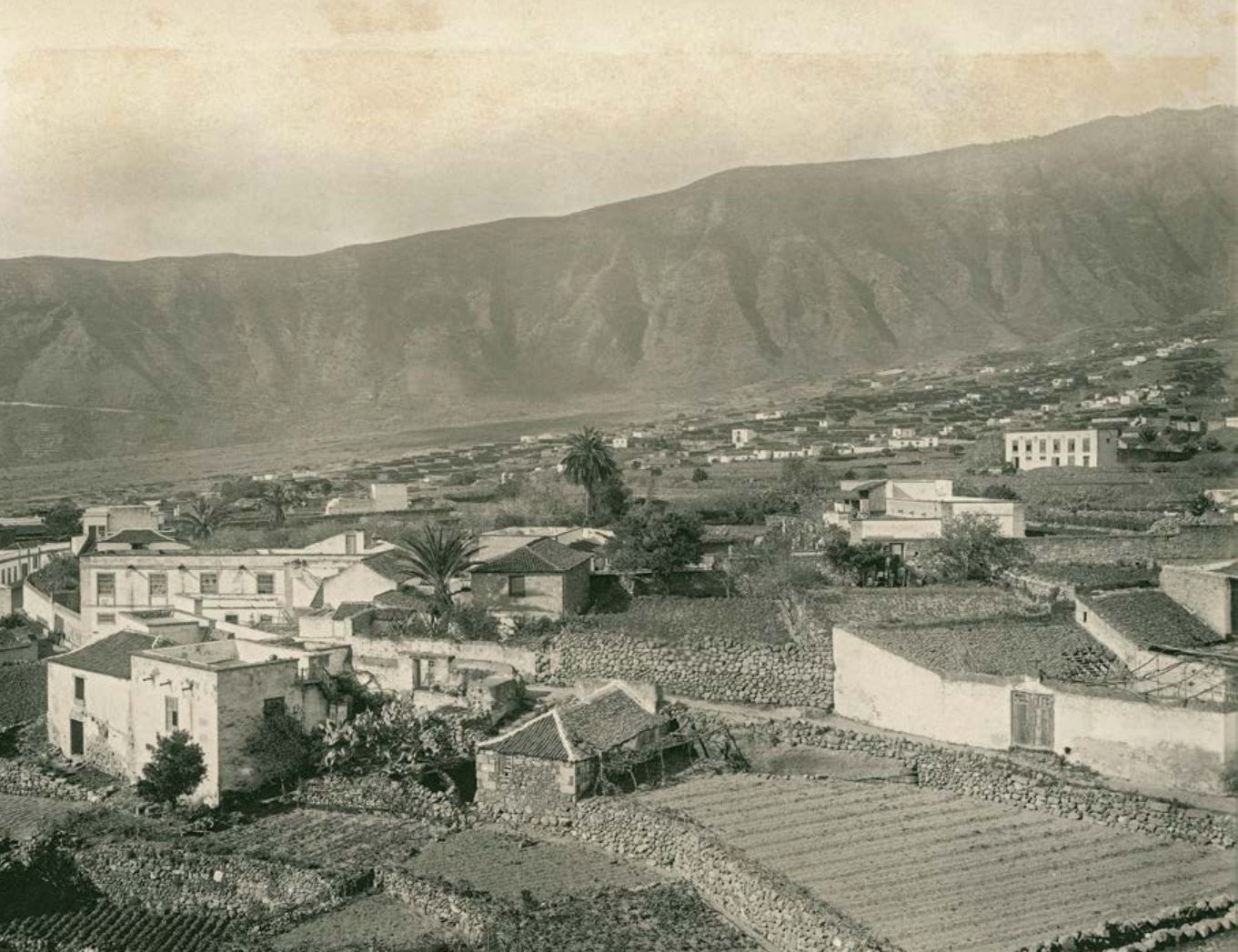
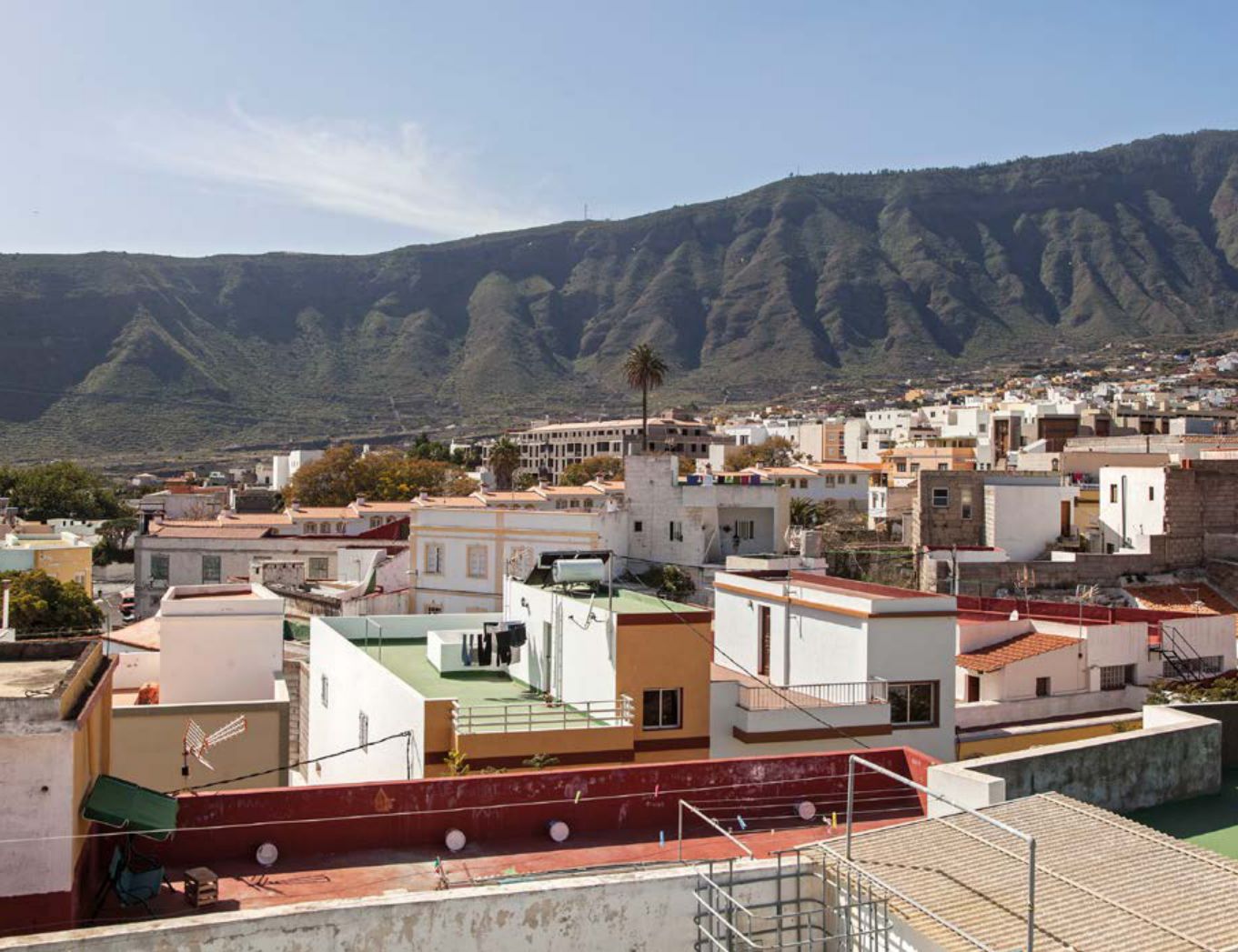
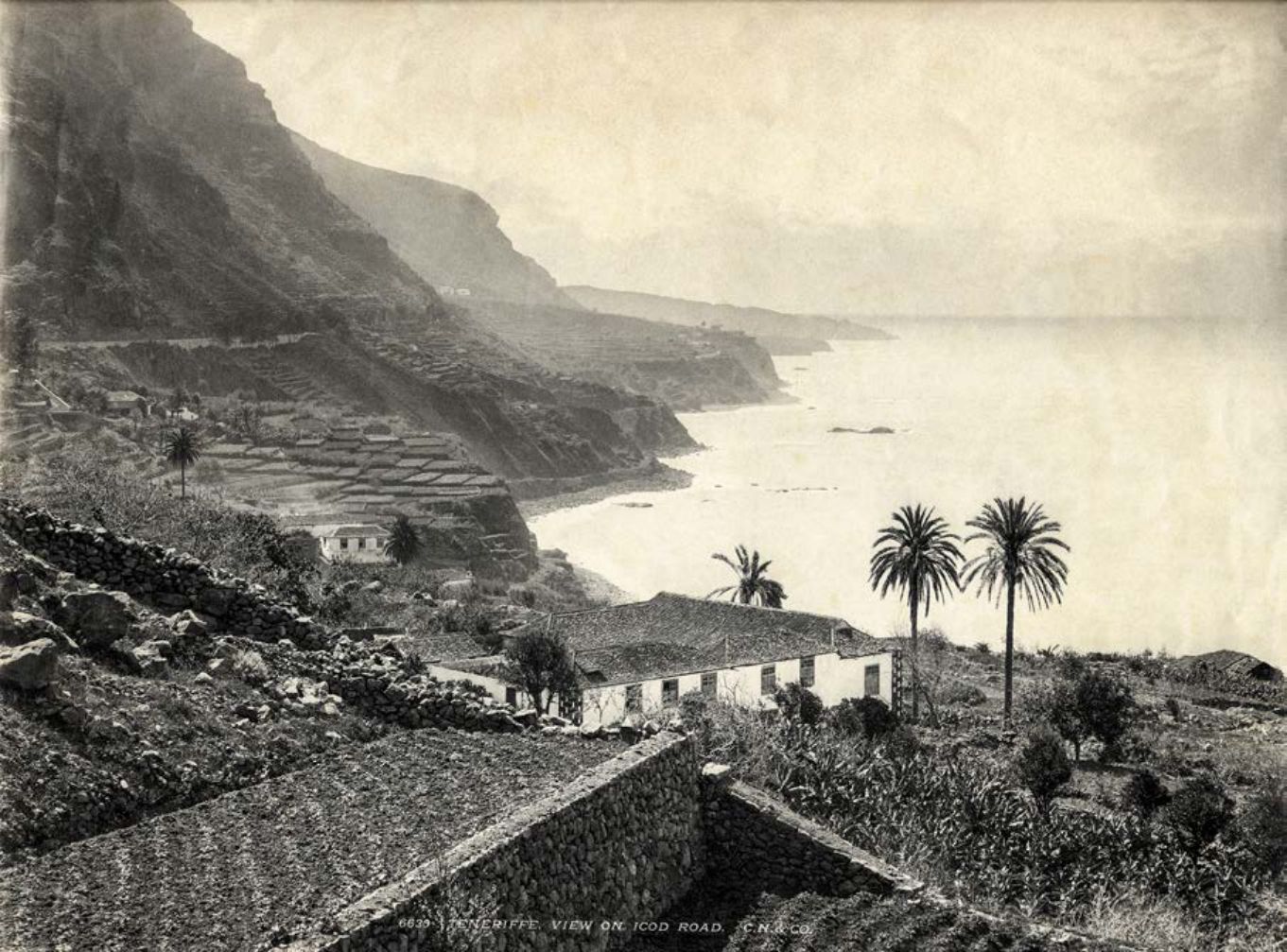
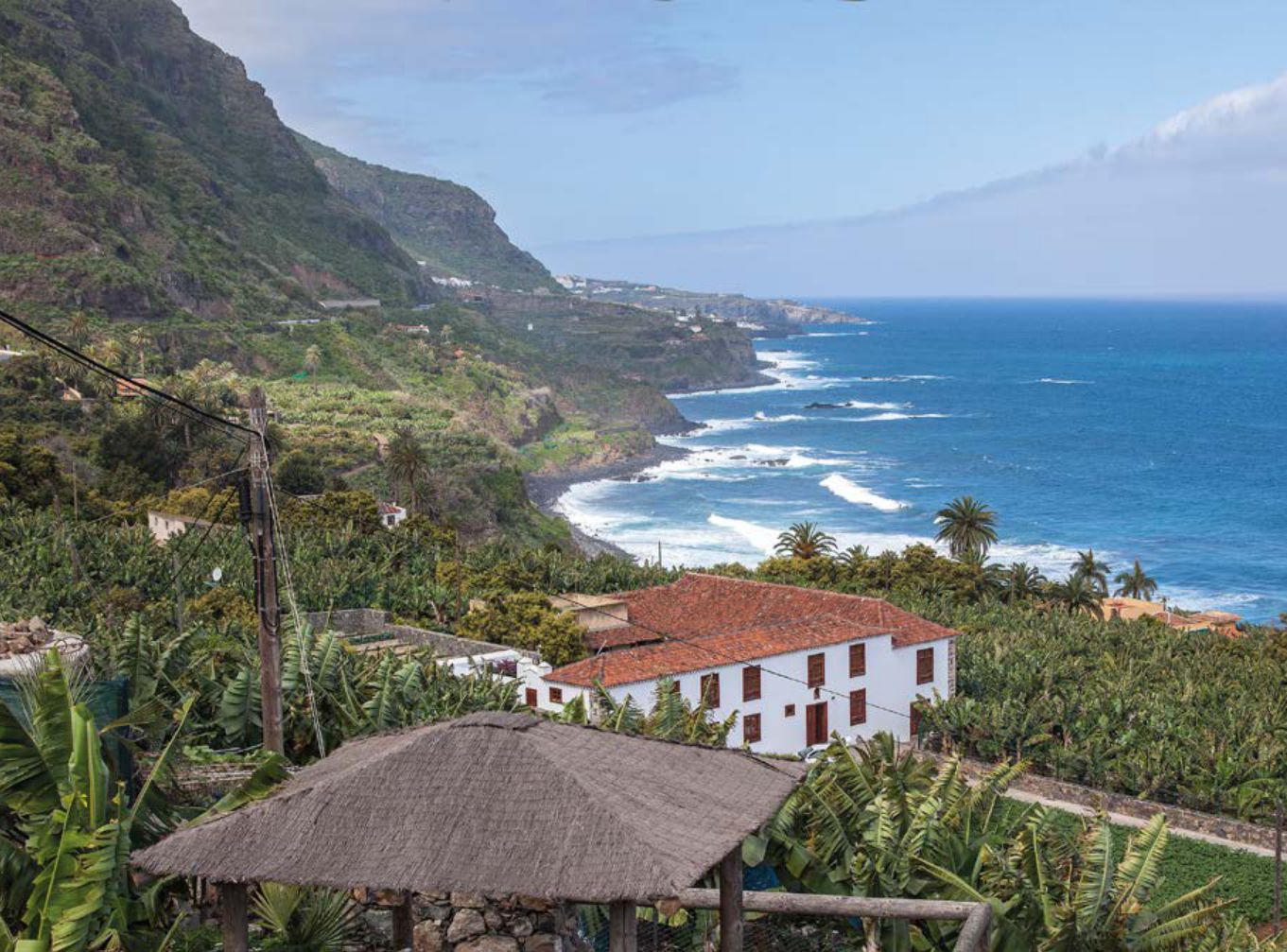
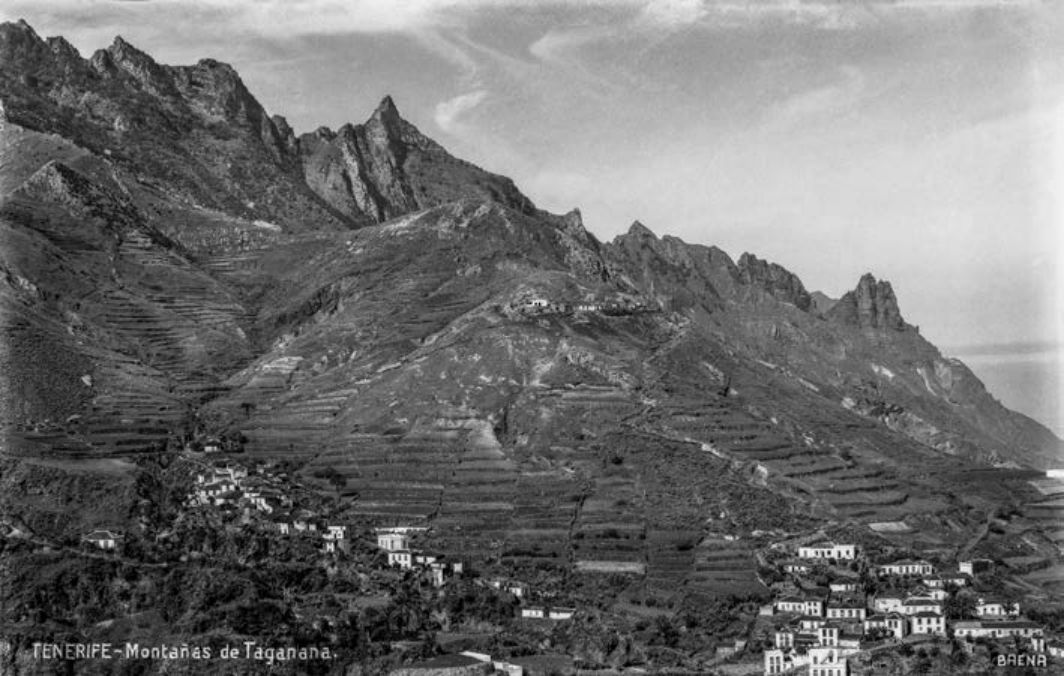
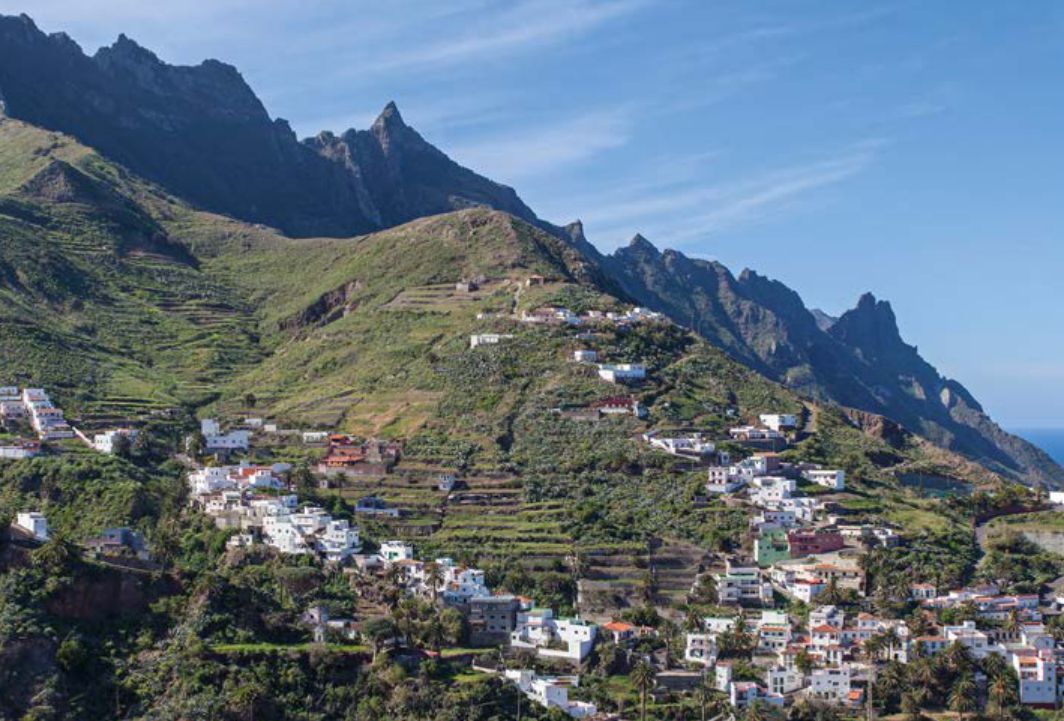
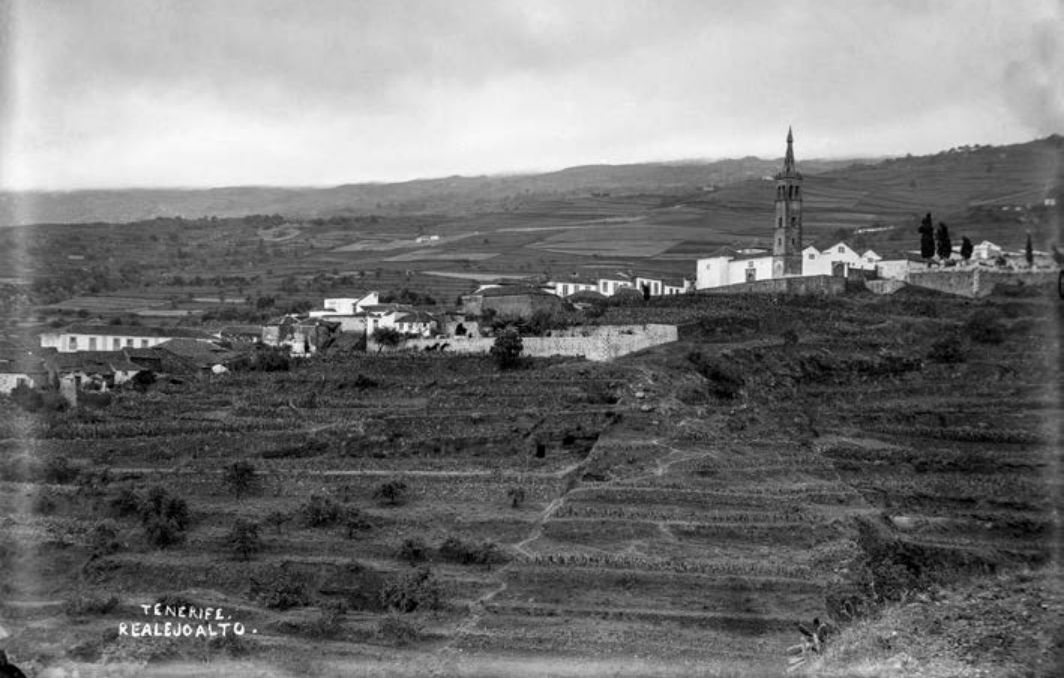
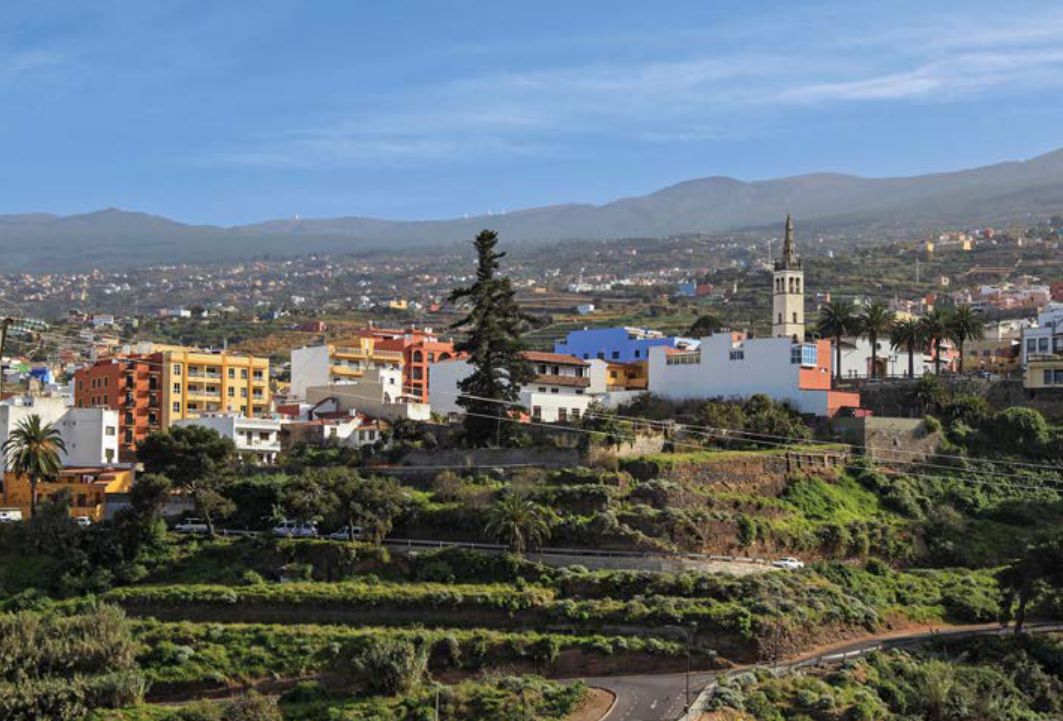
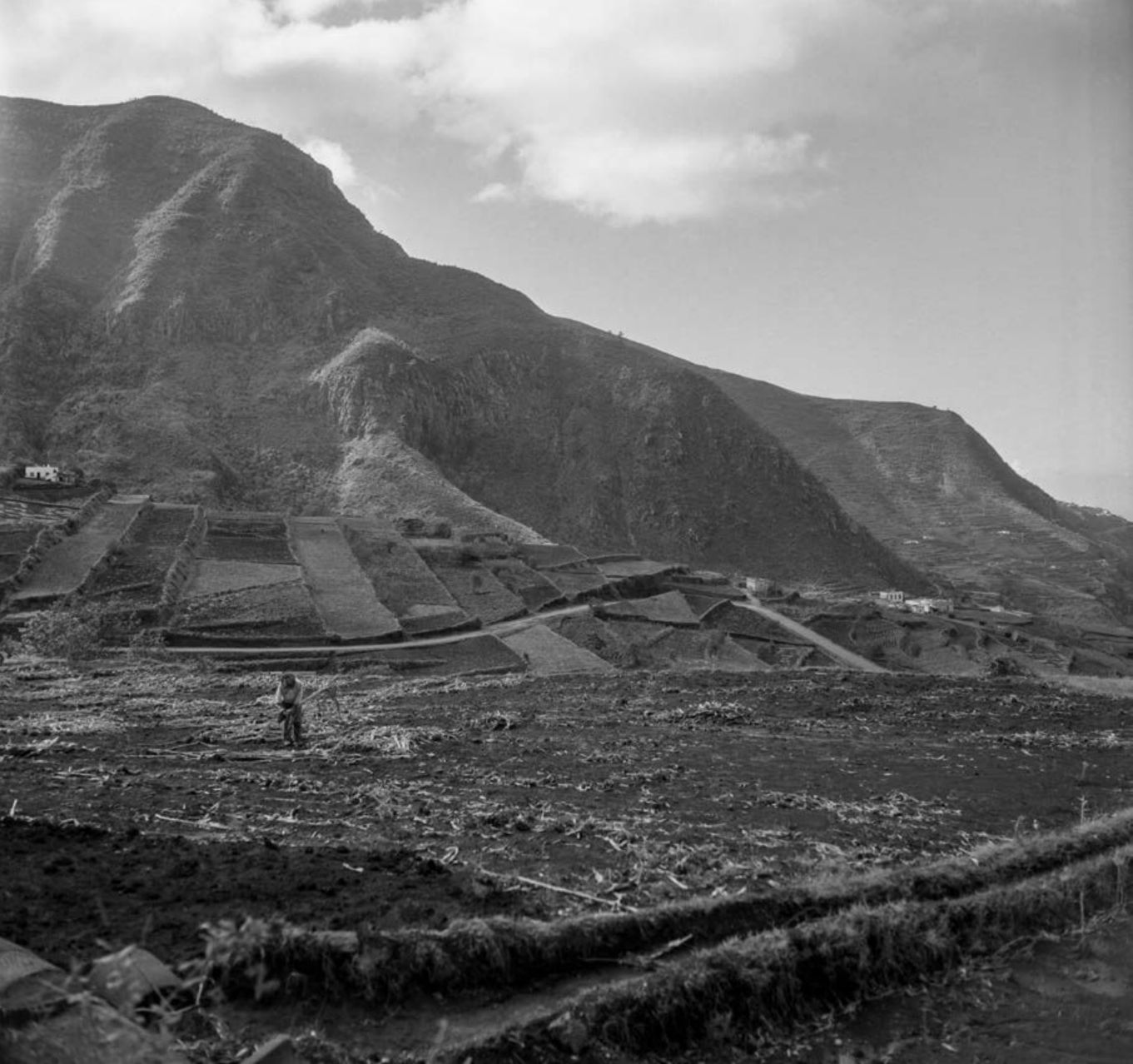
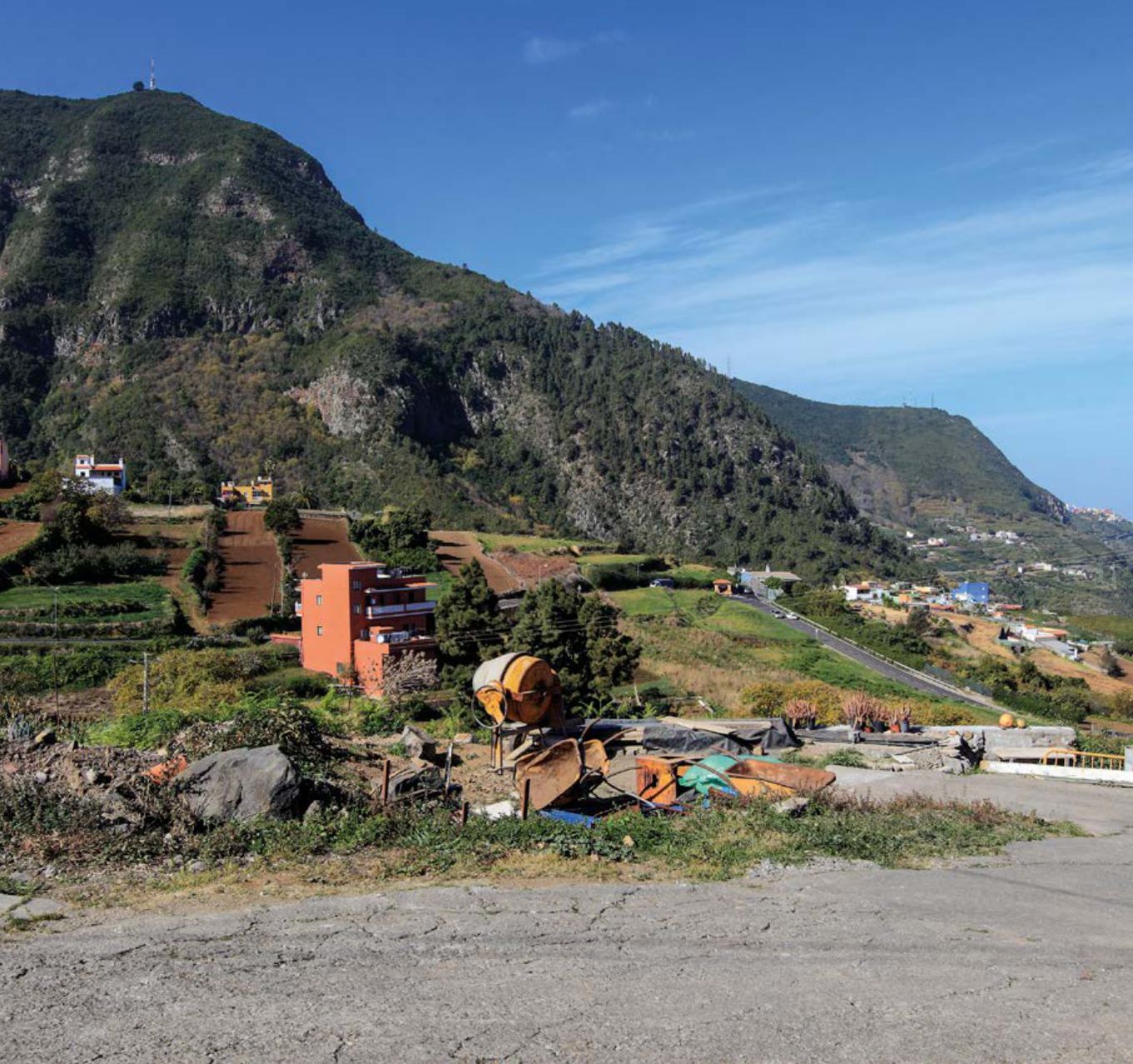
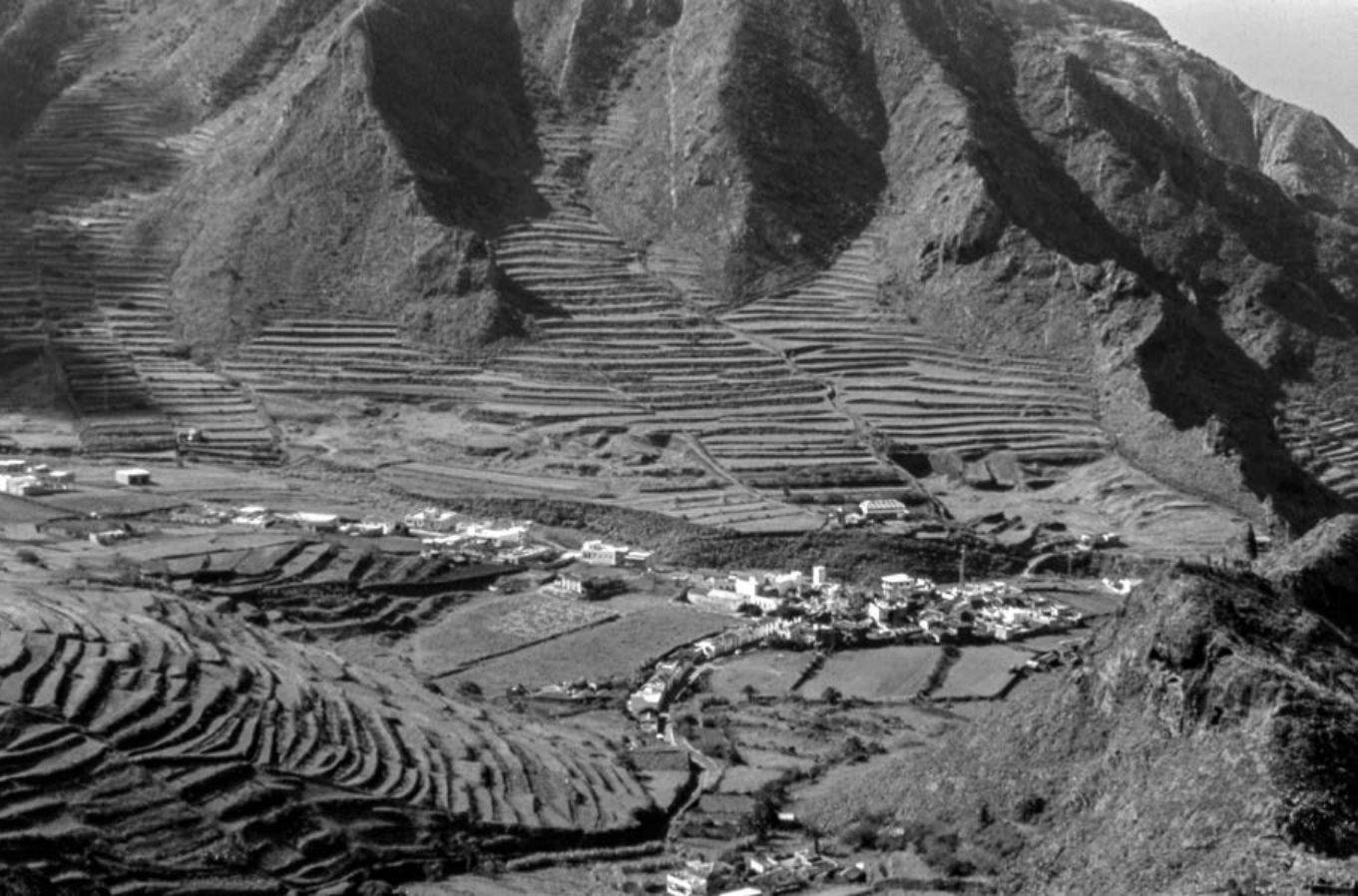
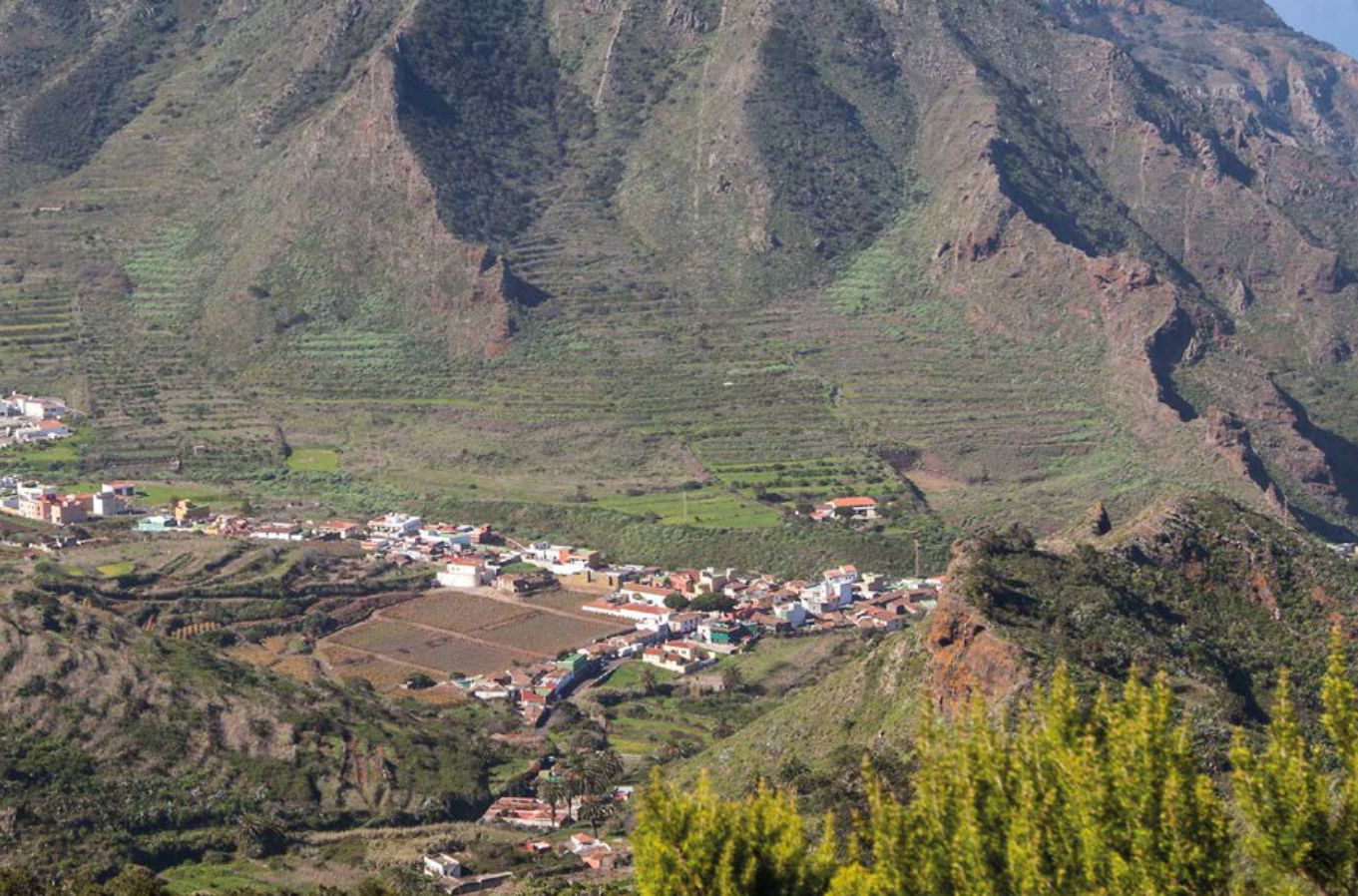
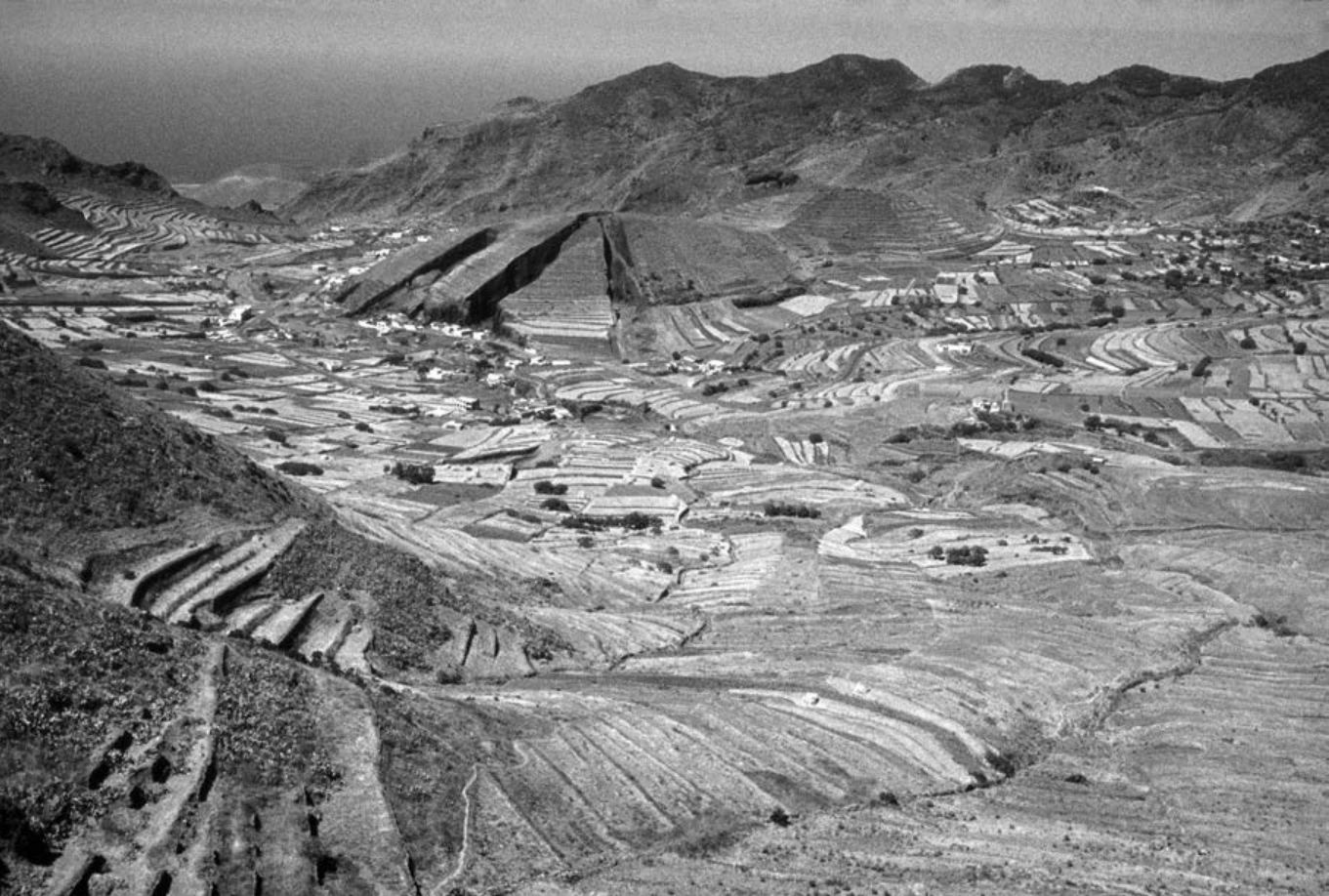
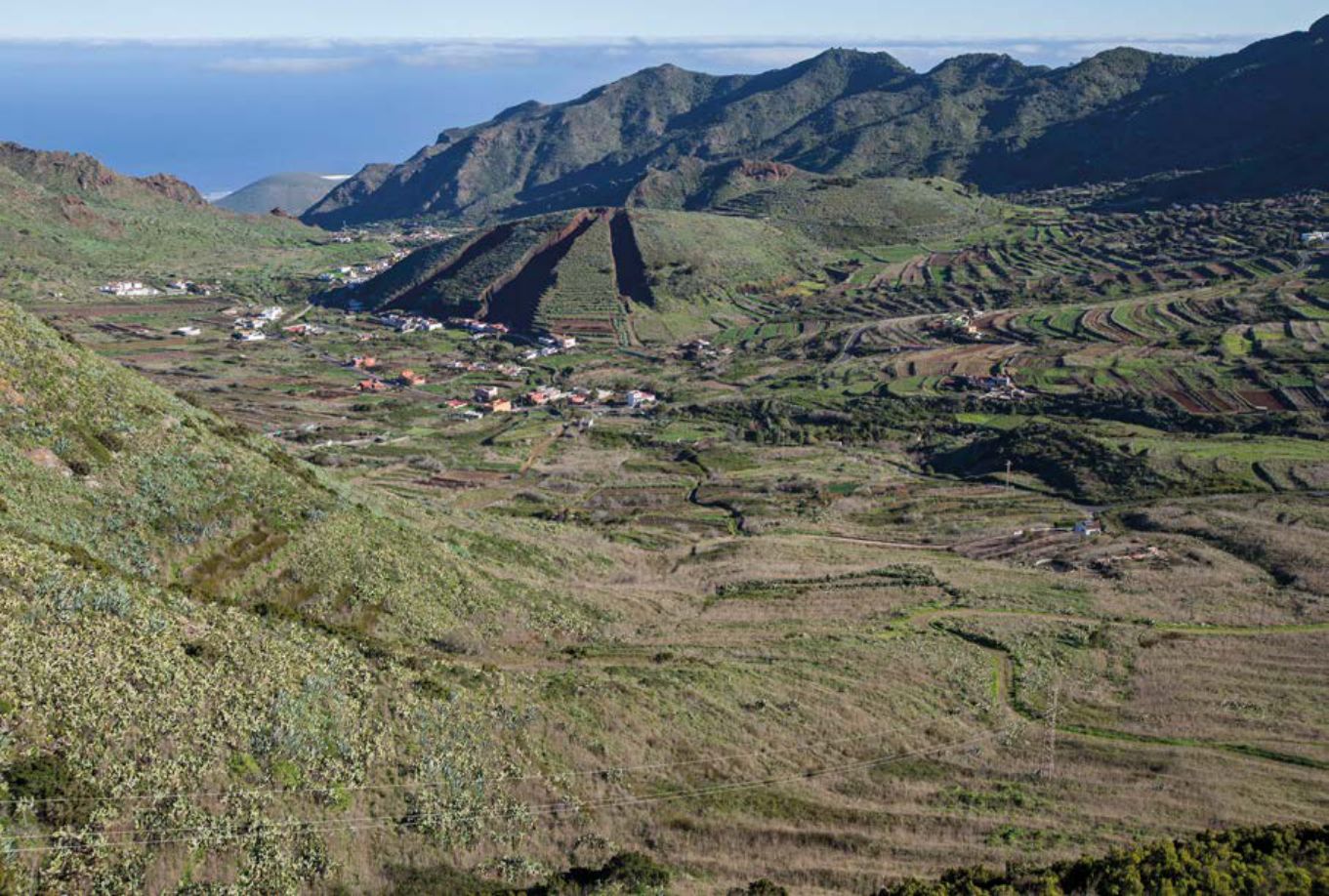
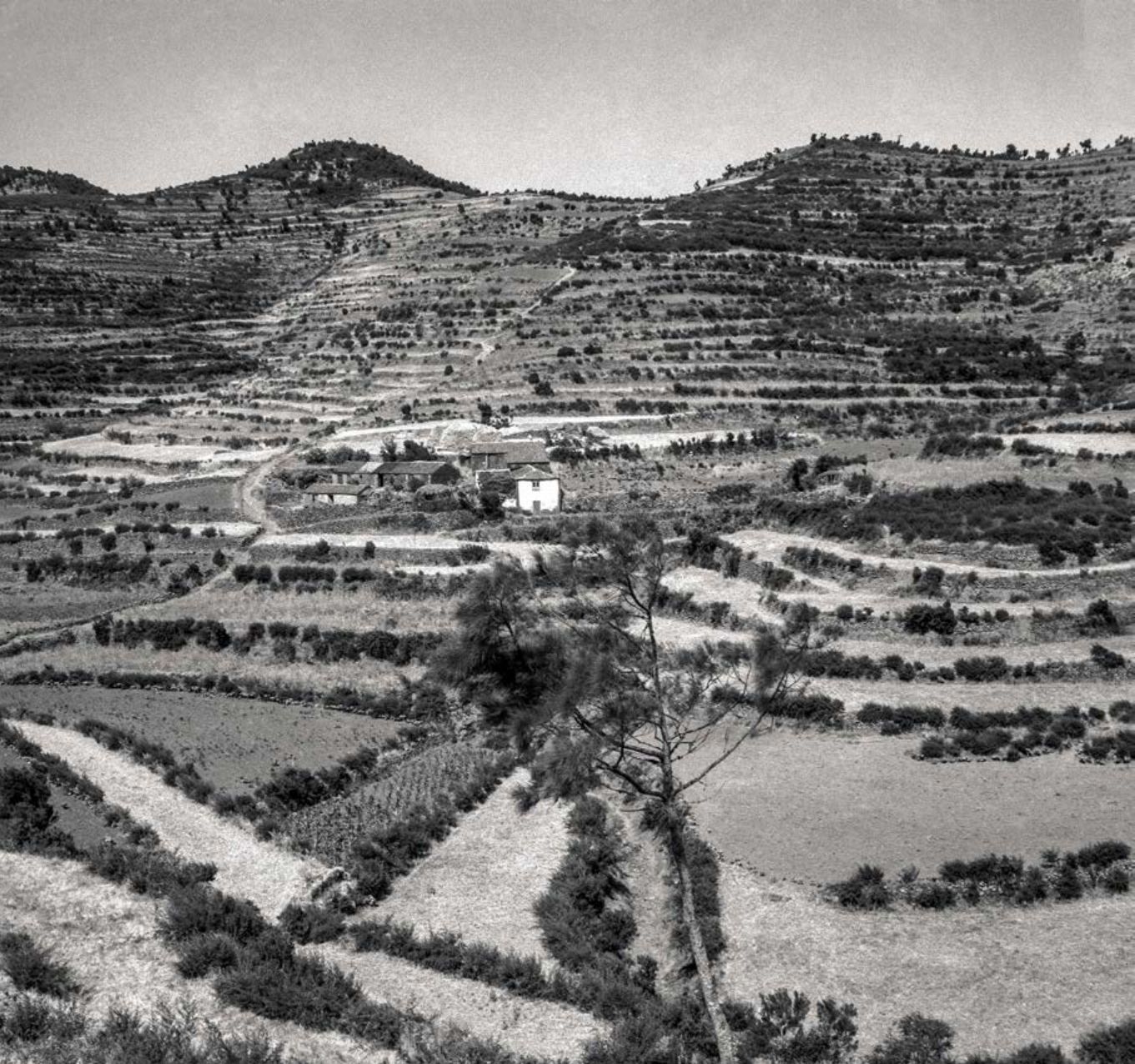
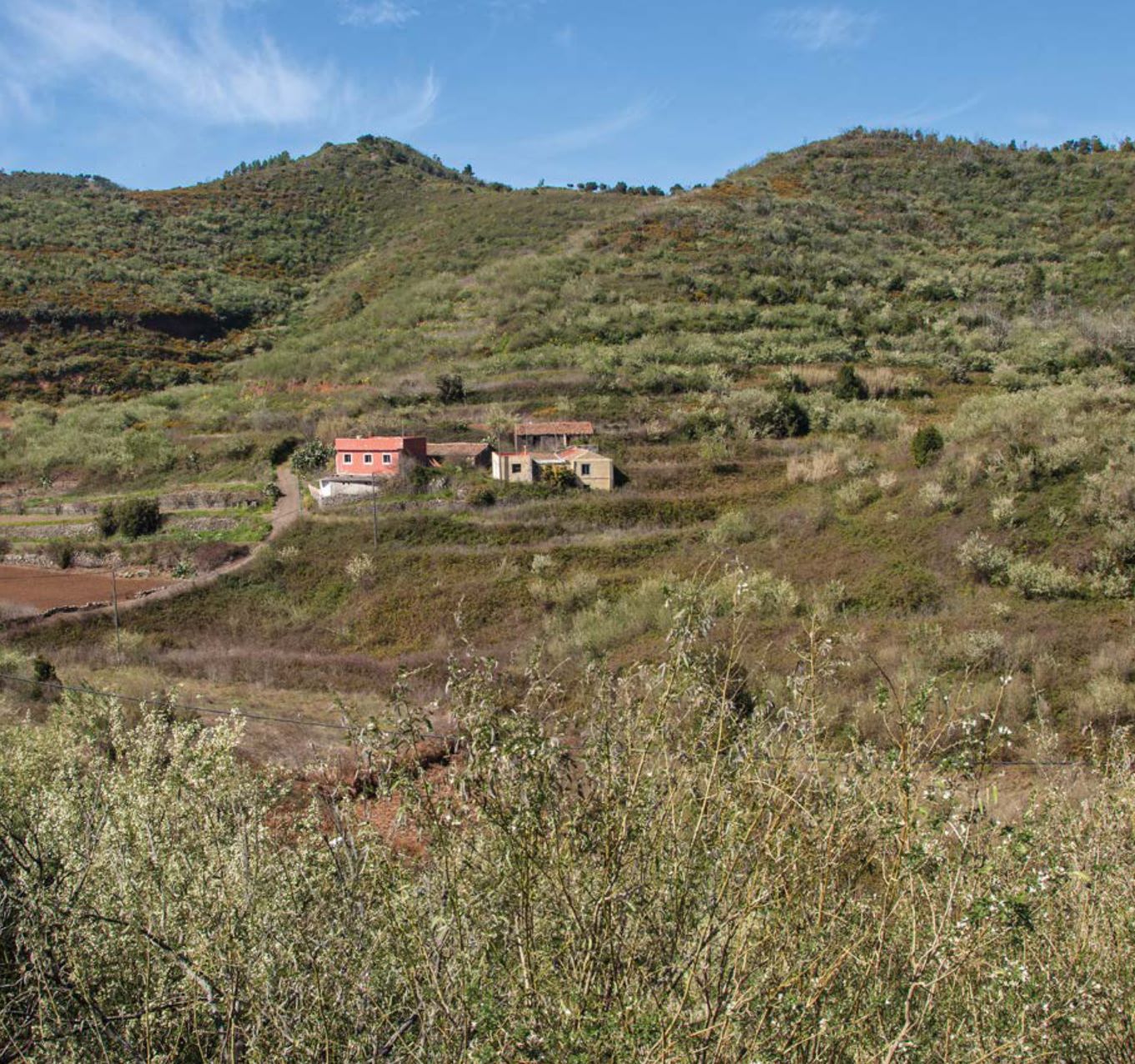
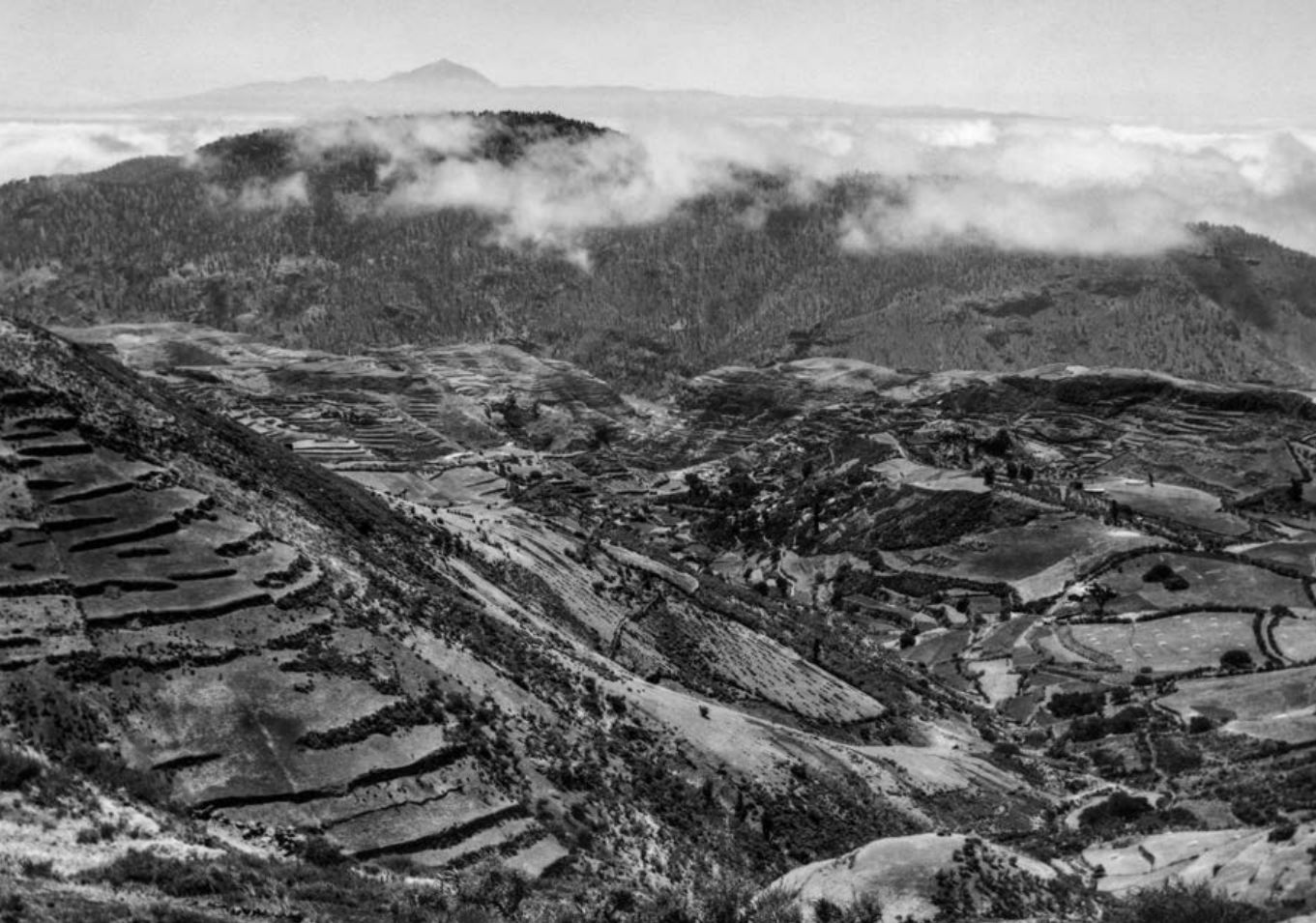
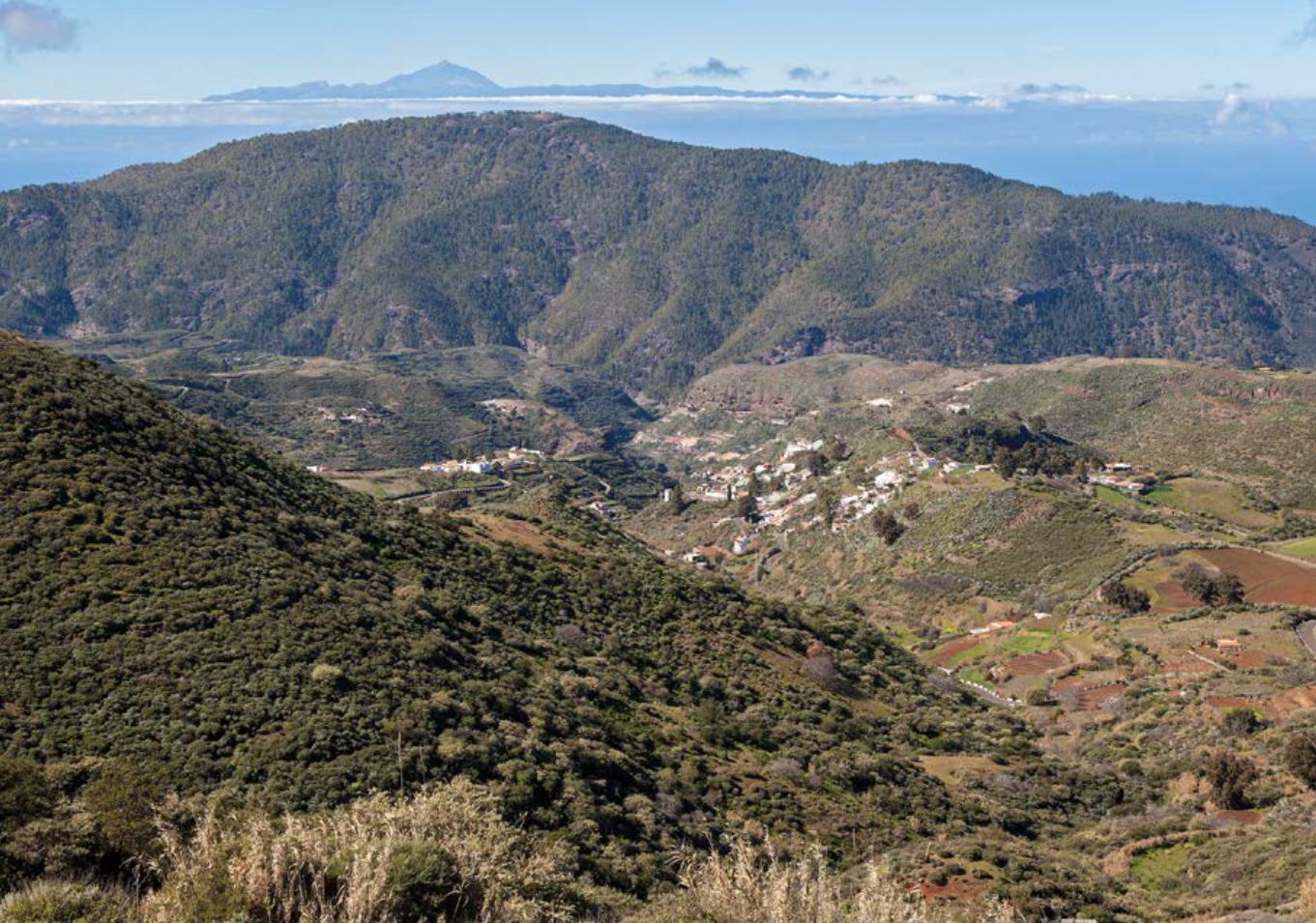
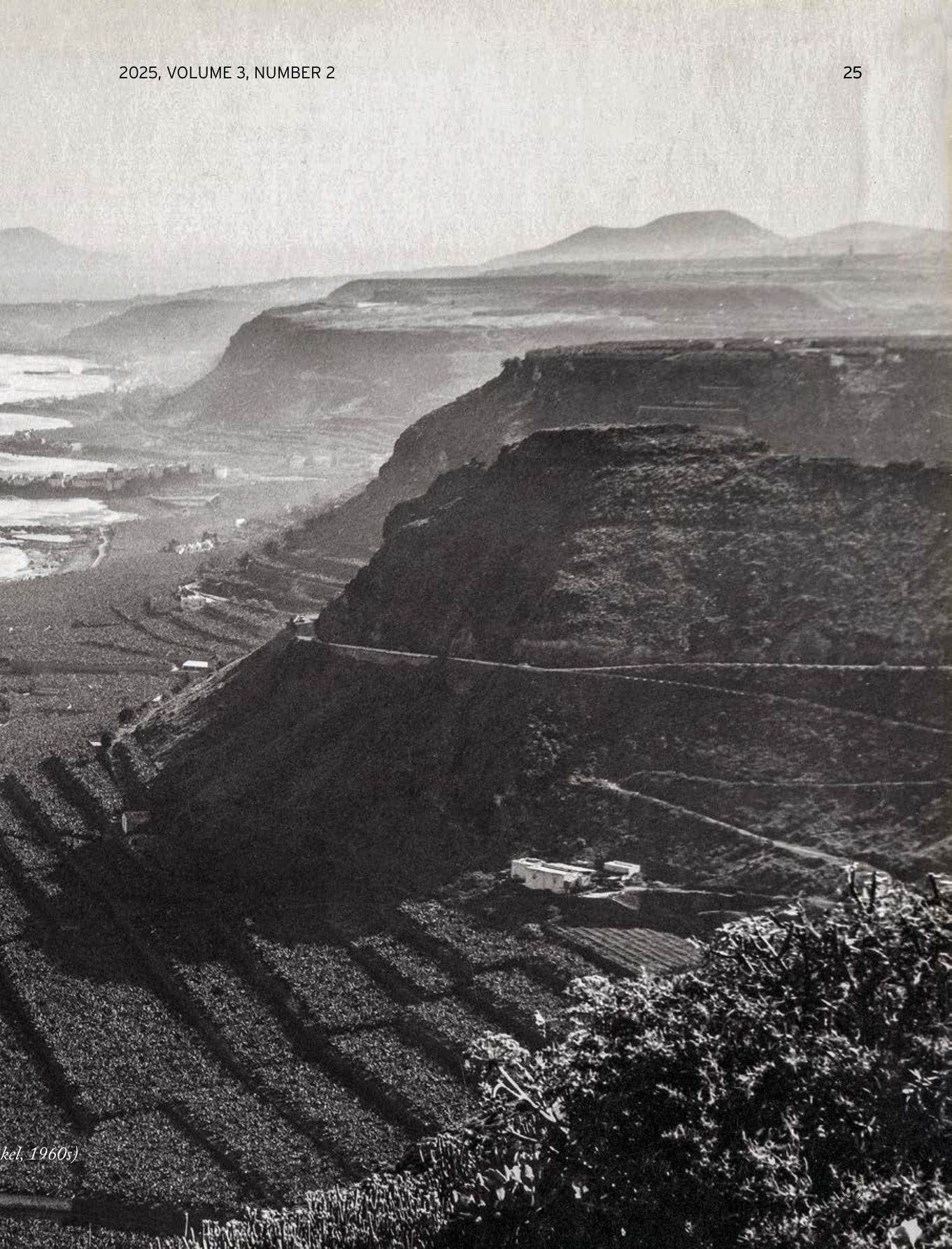
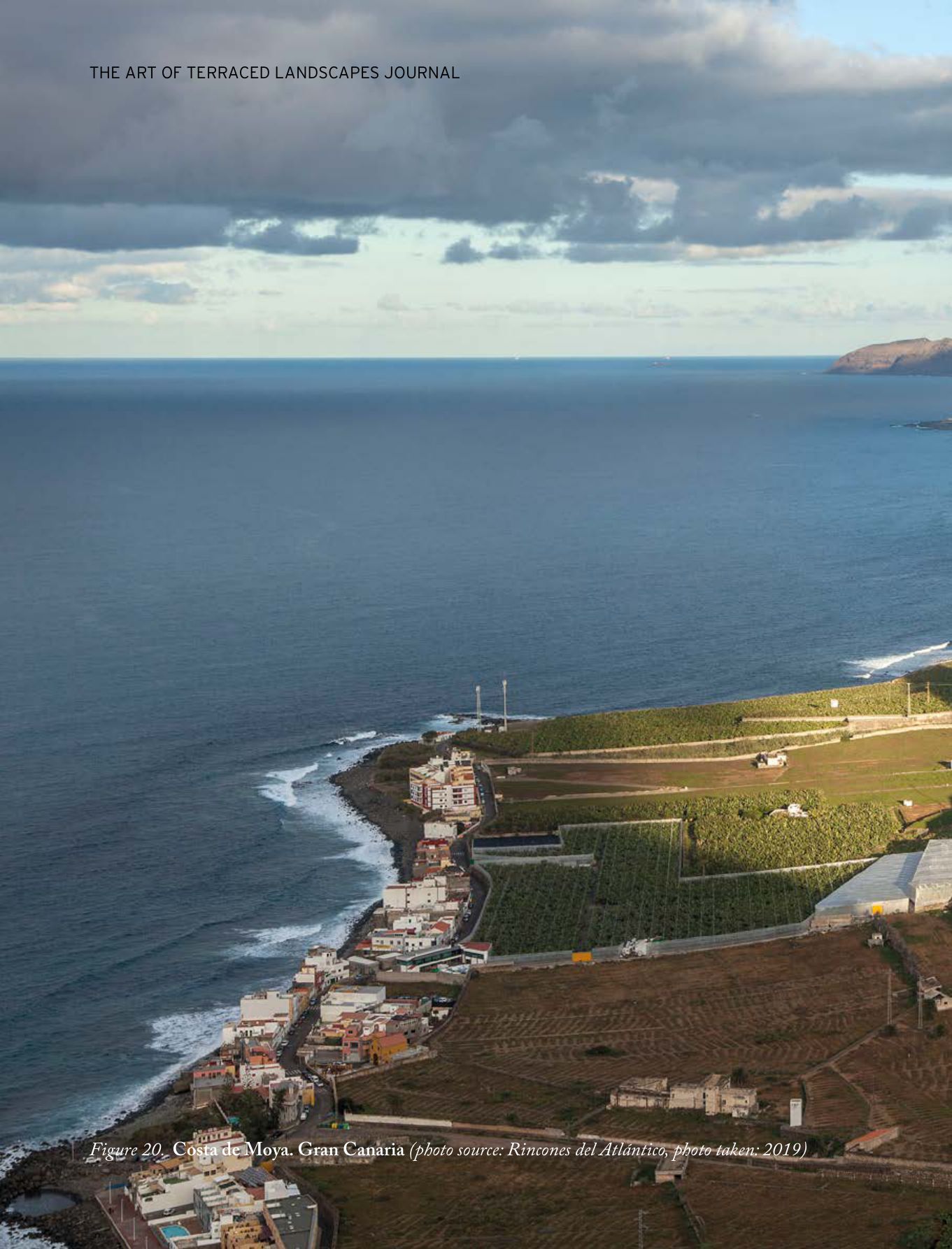
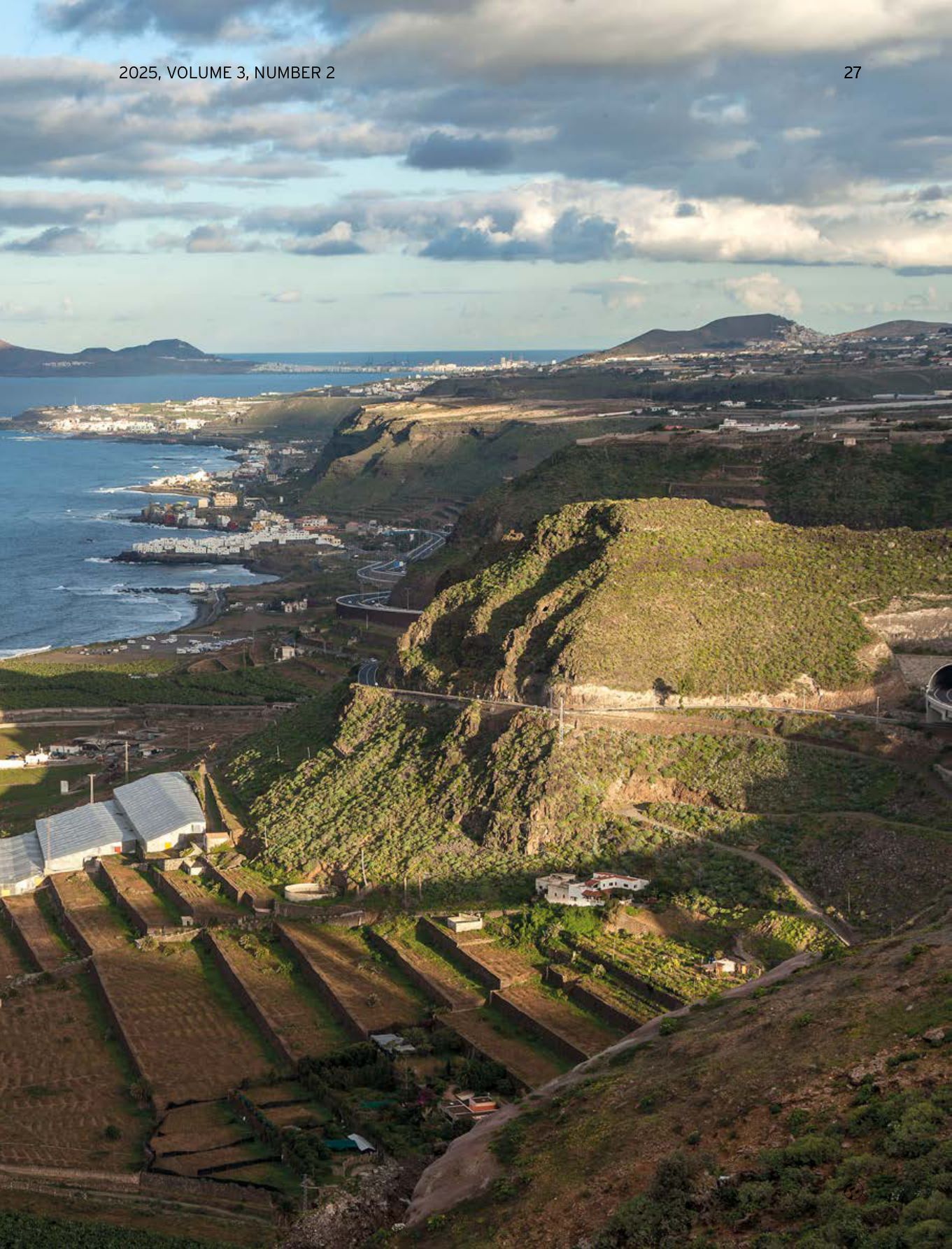
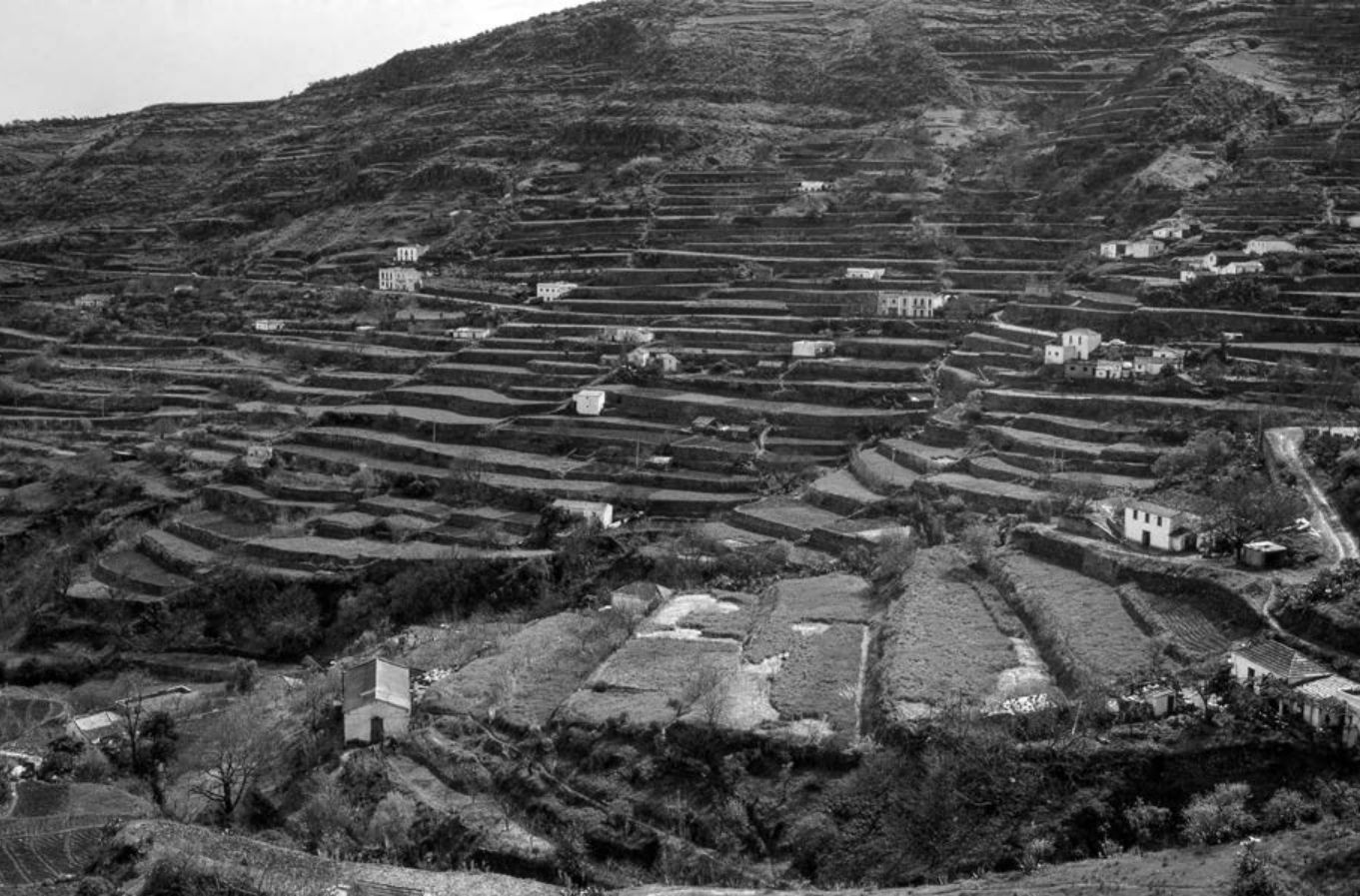
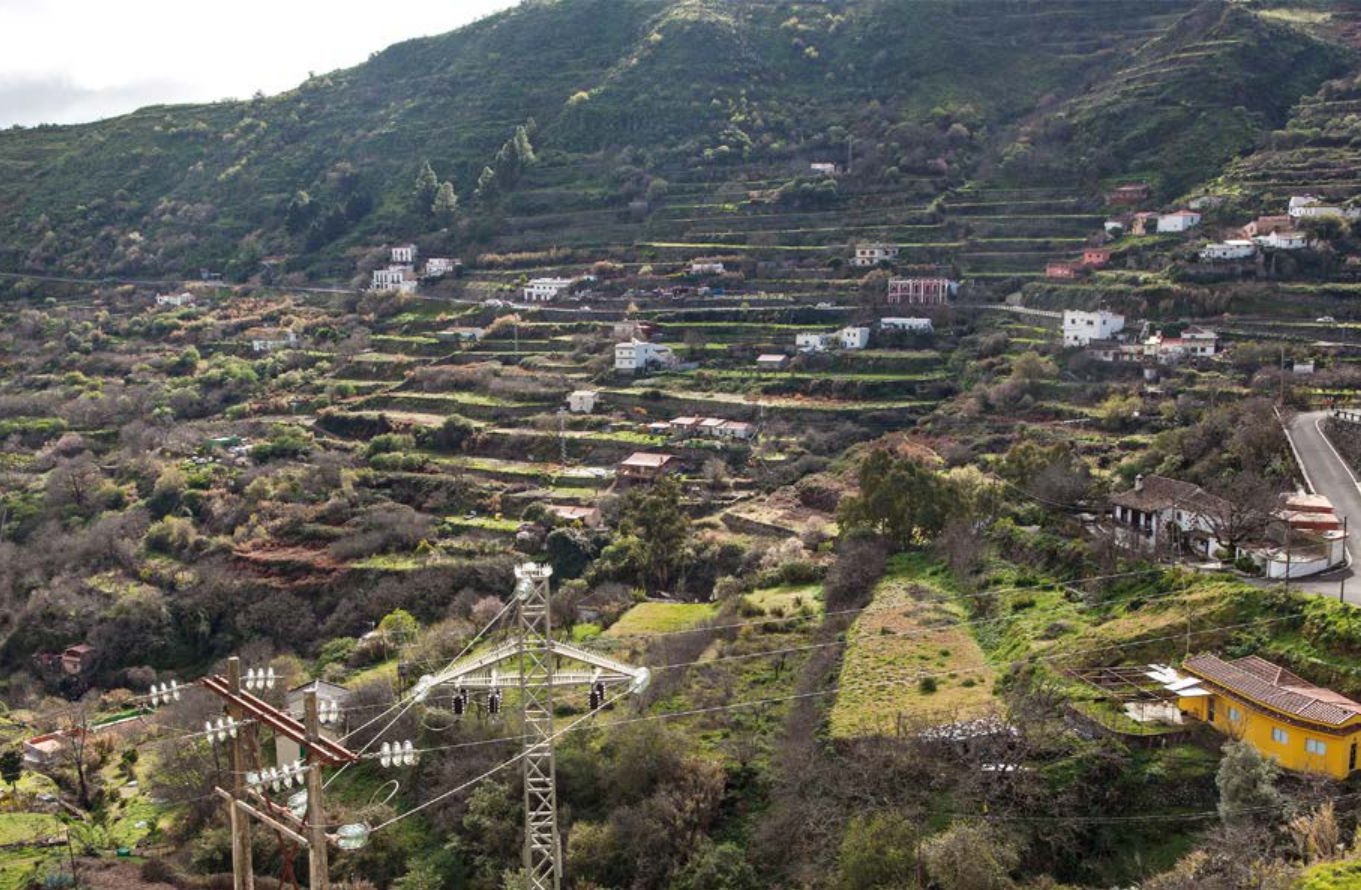
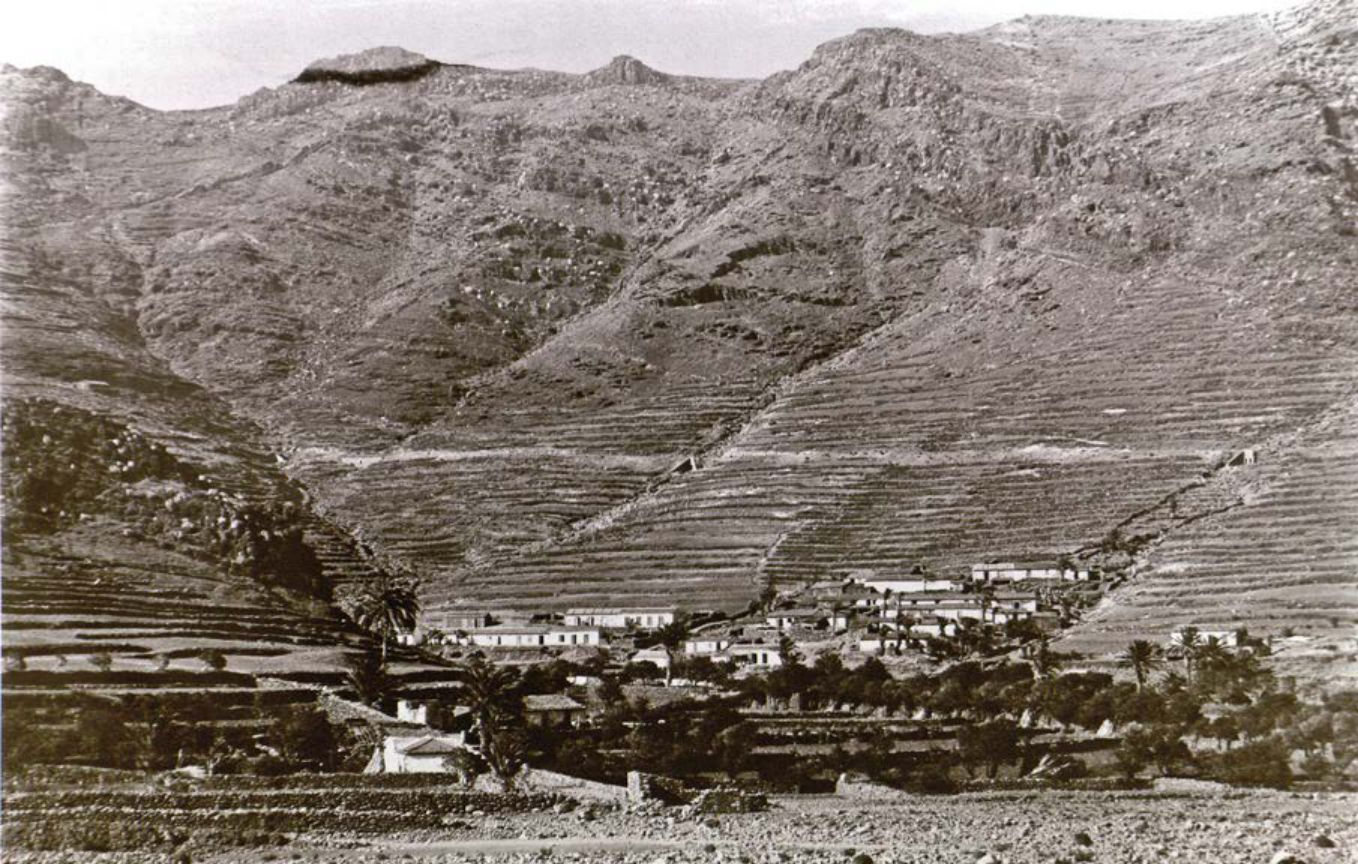
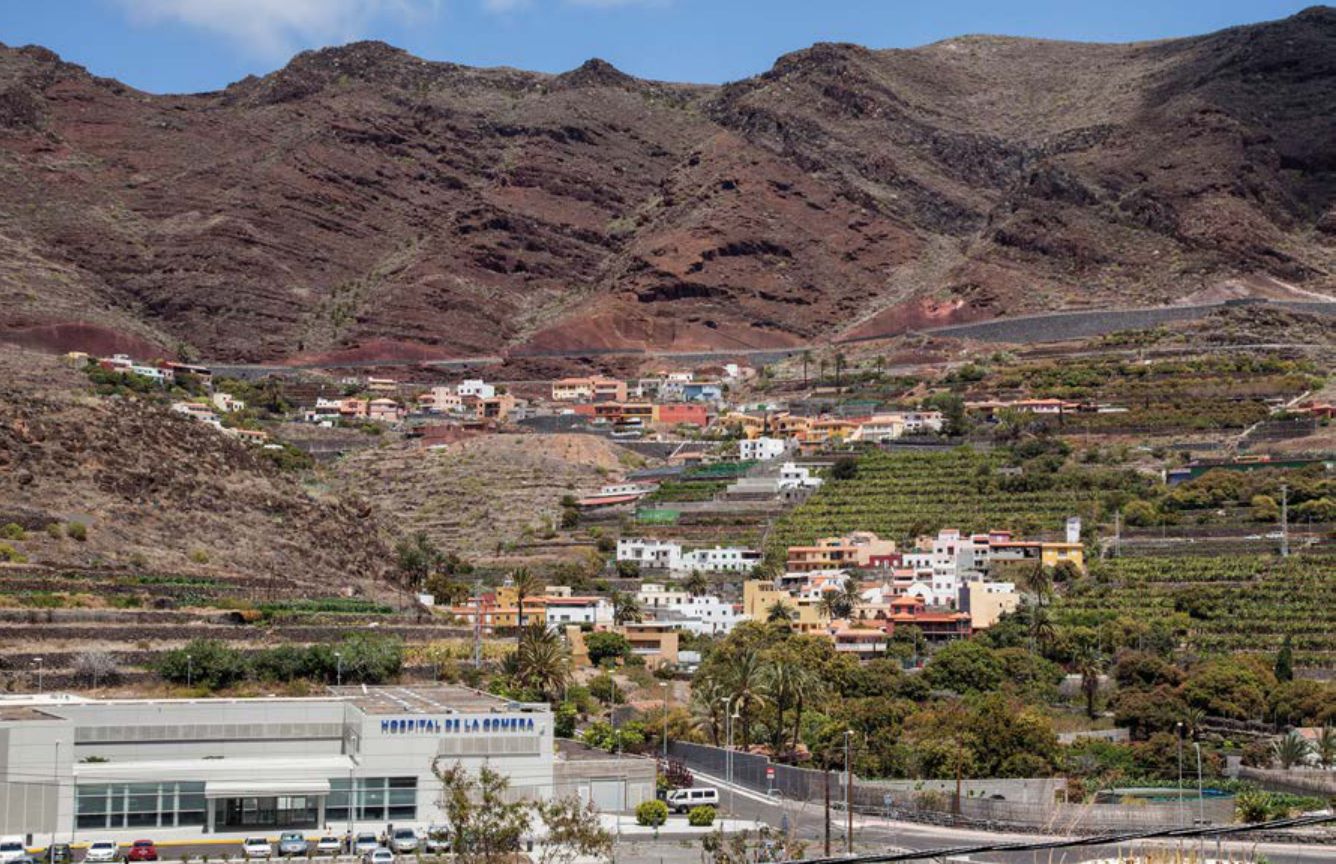
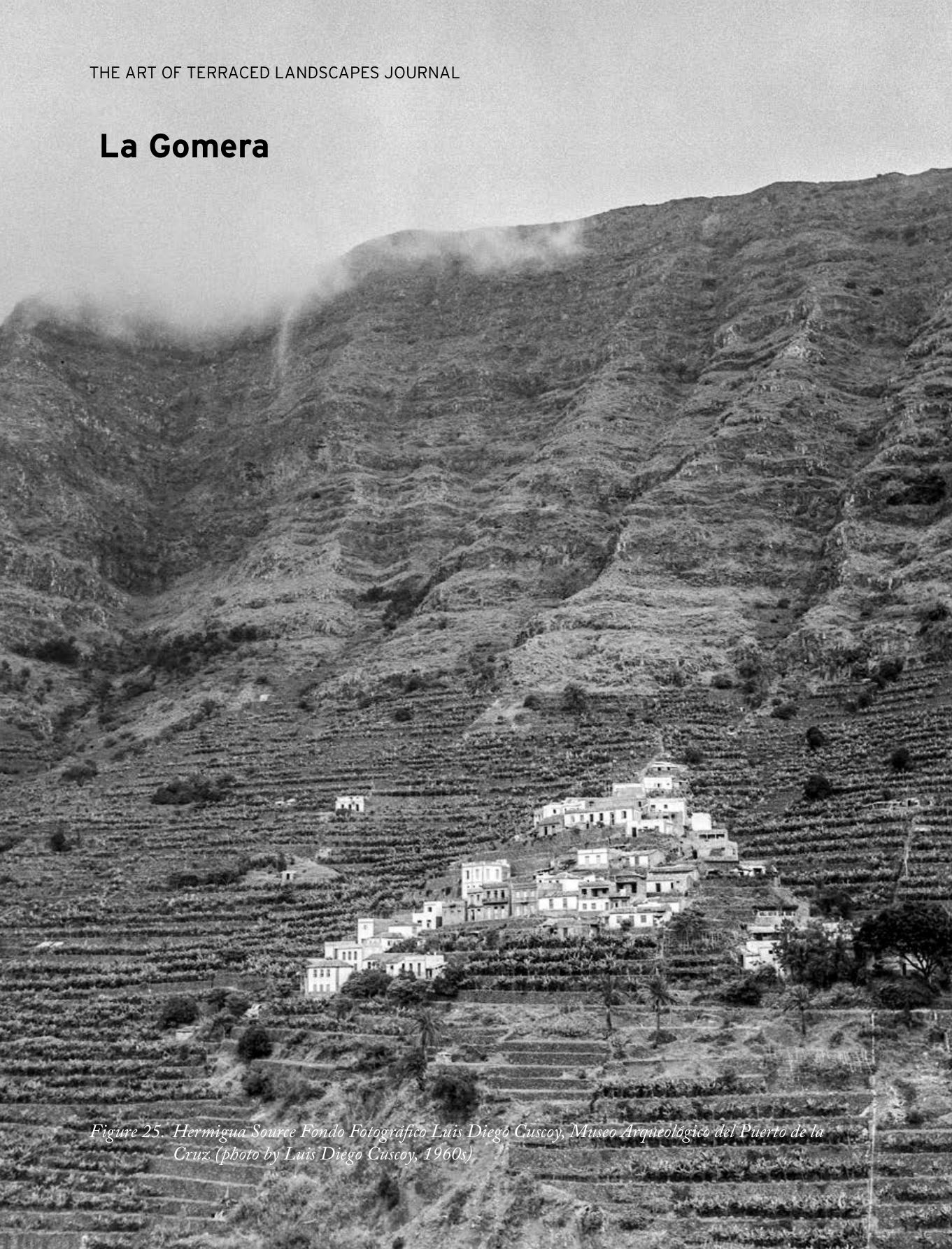
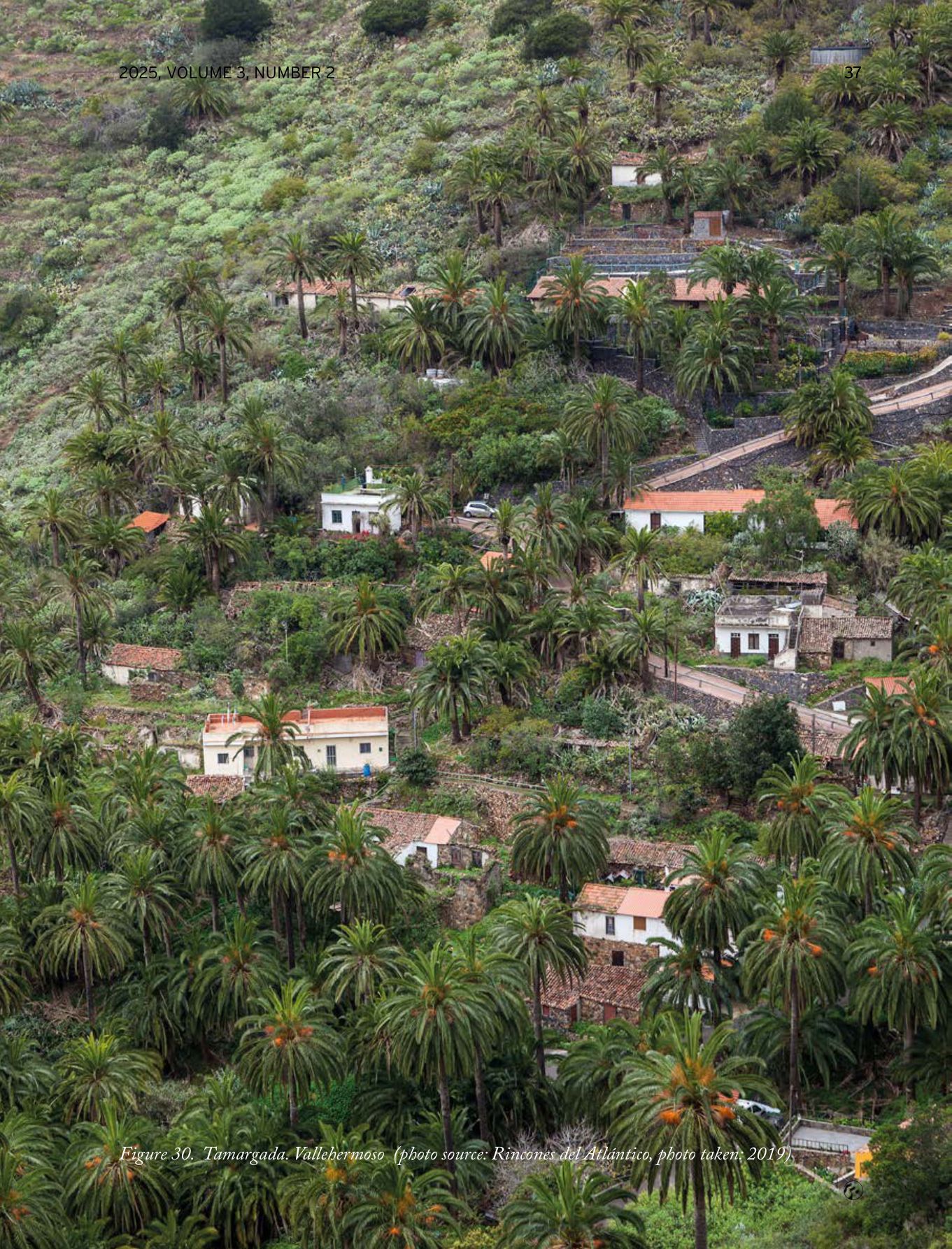
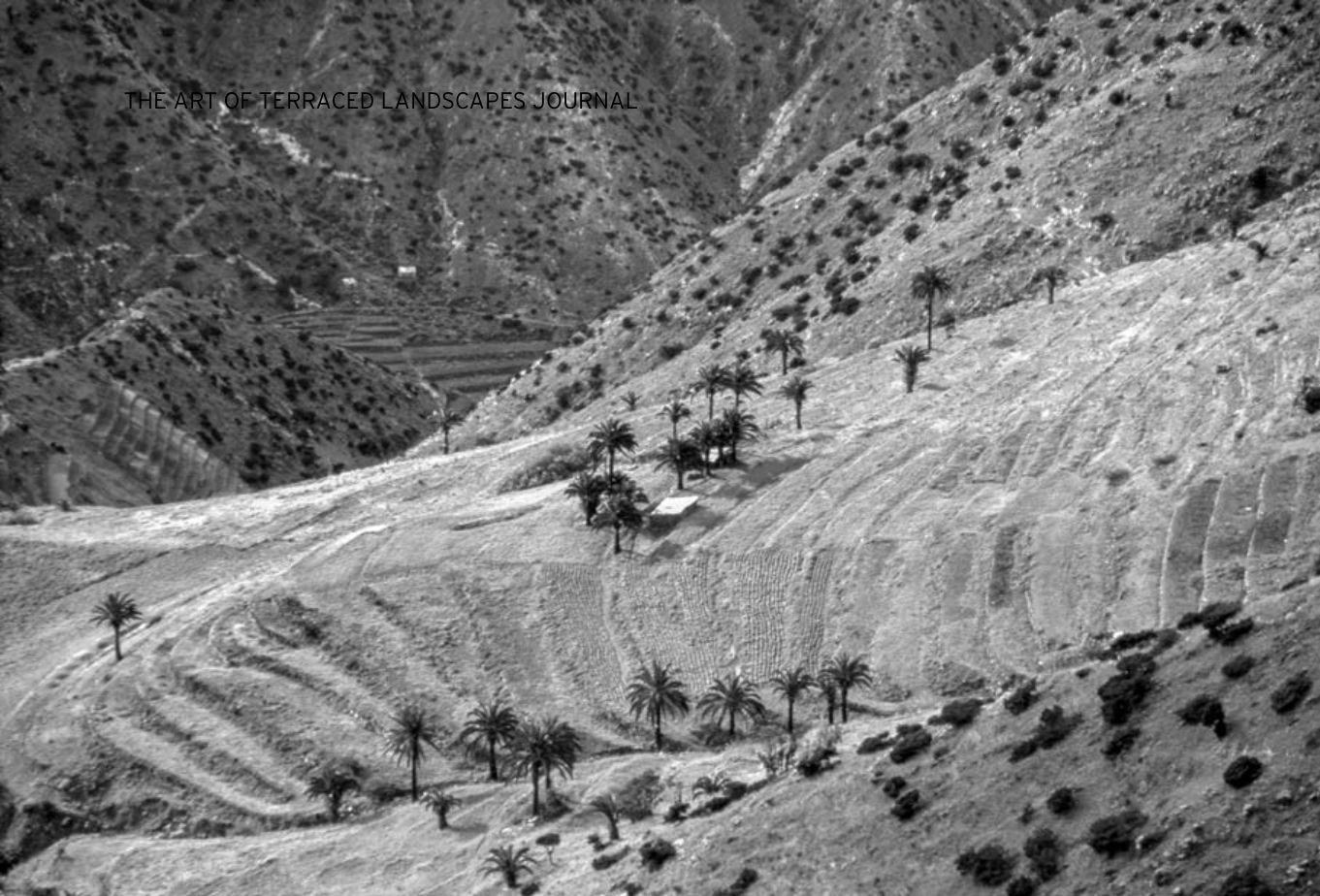
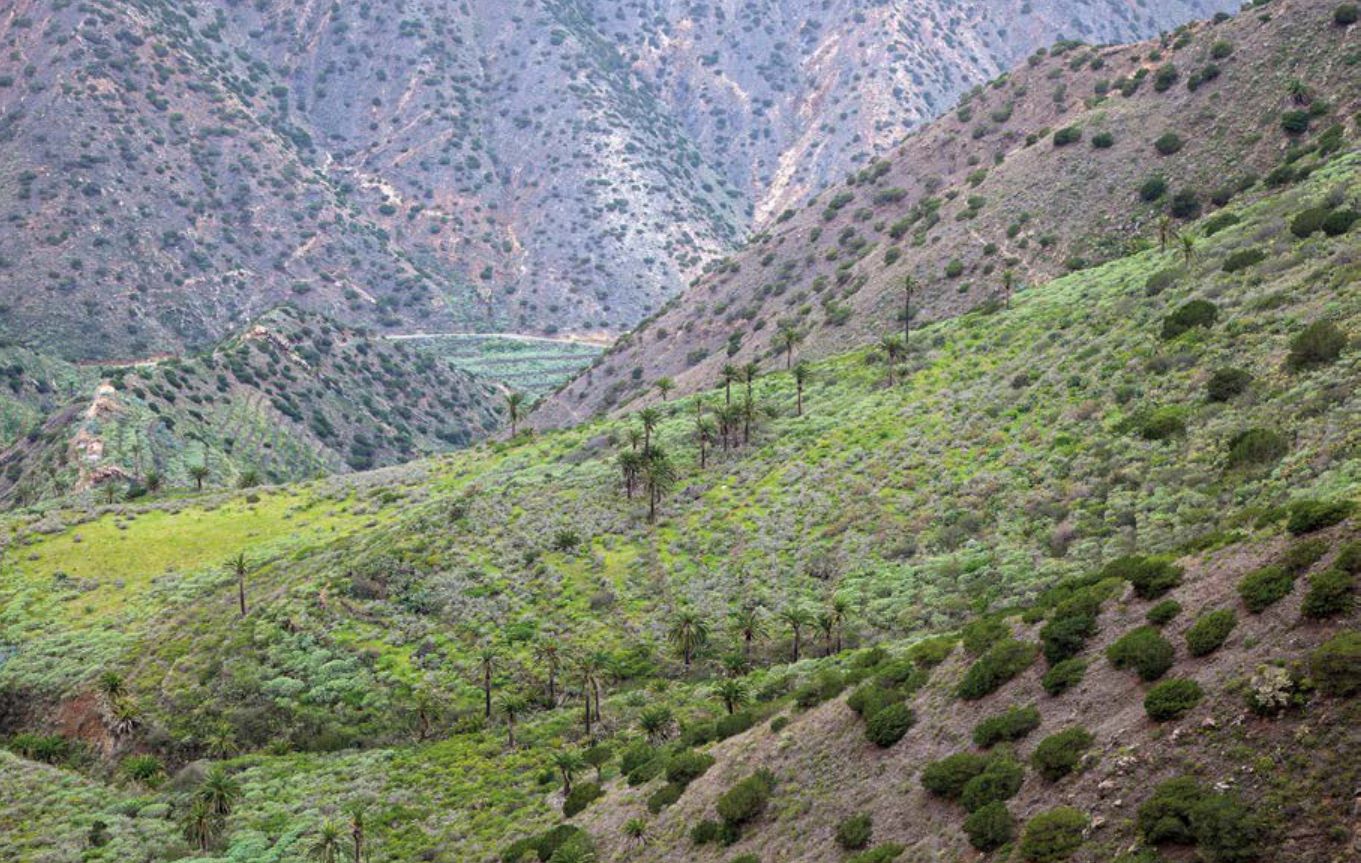
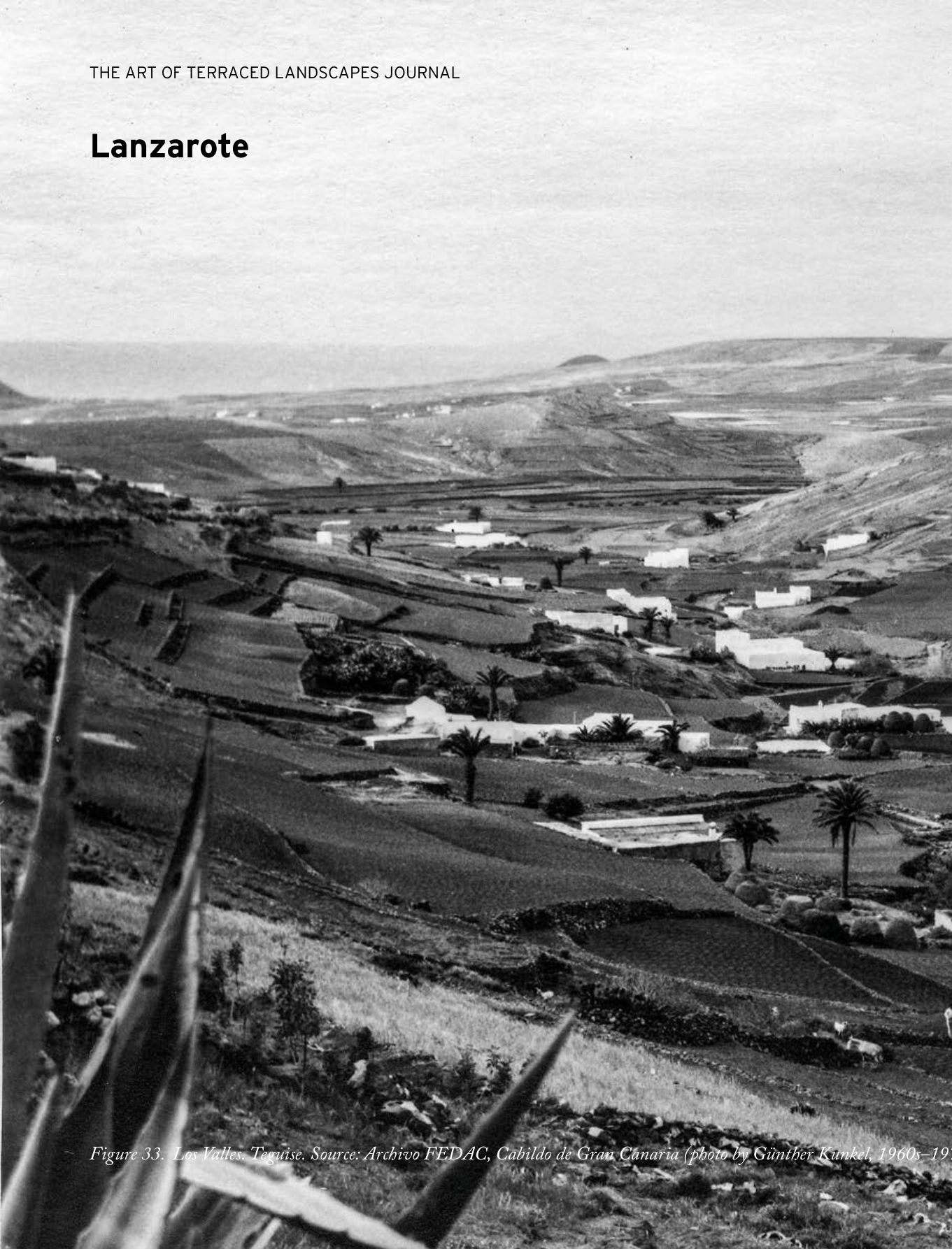
Lanzarote
Lanzarote
La Palma
La Palma
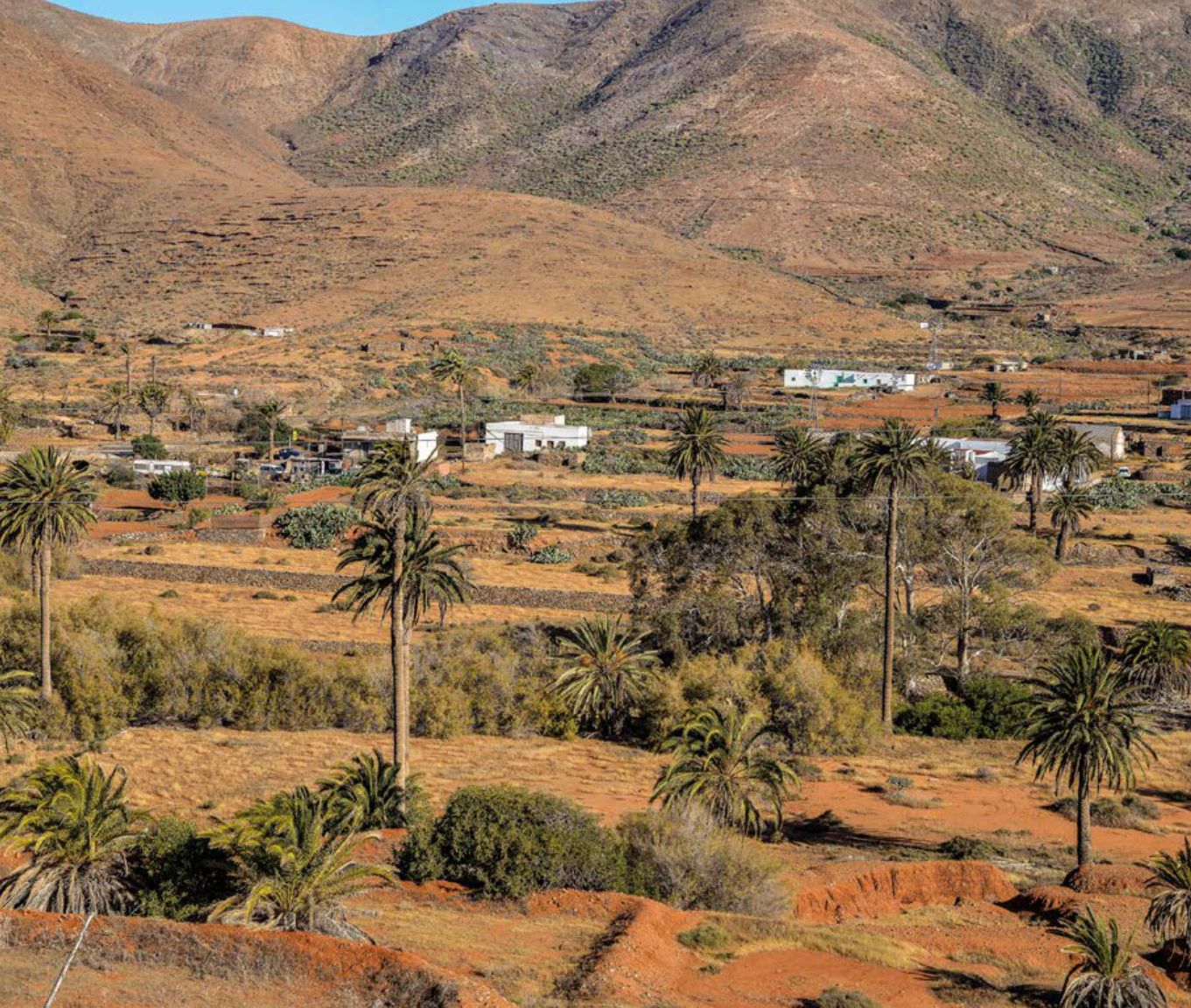
Fuerteventura
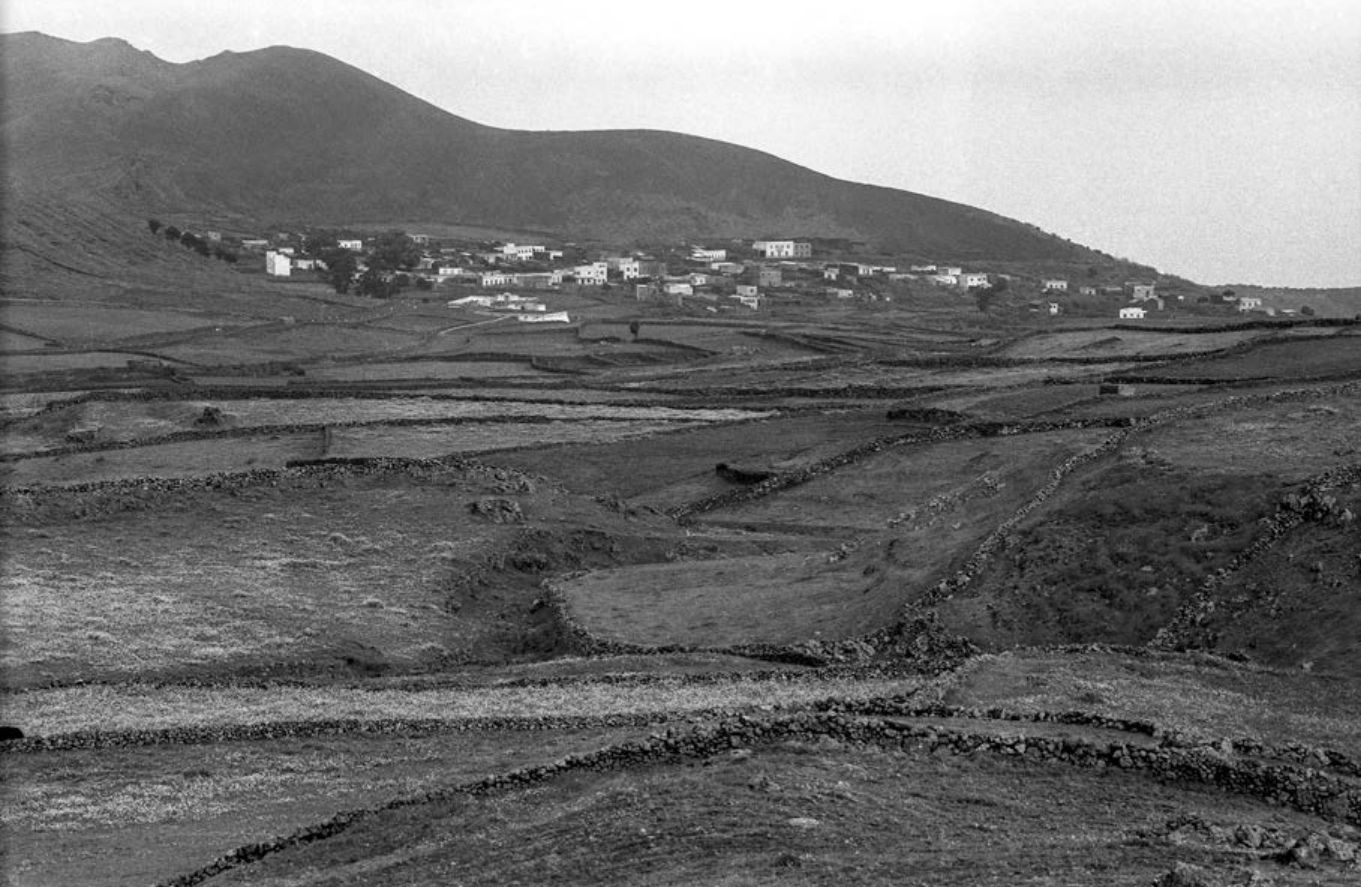
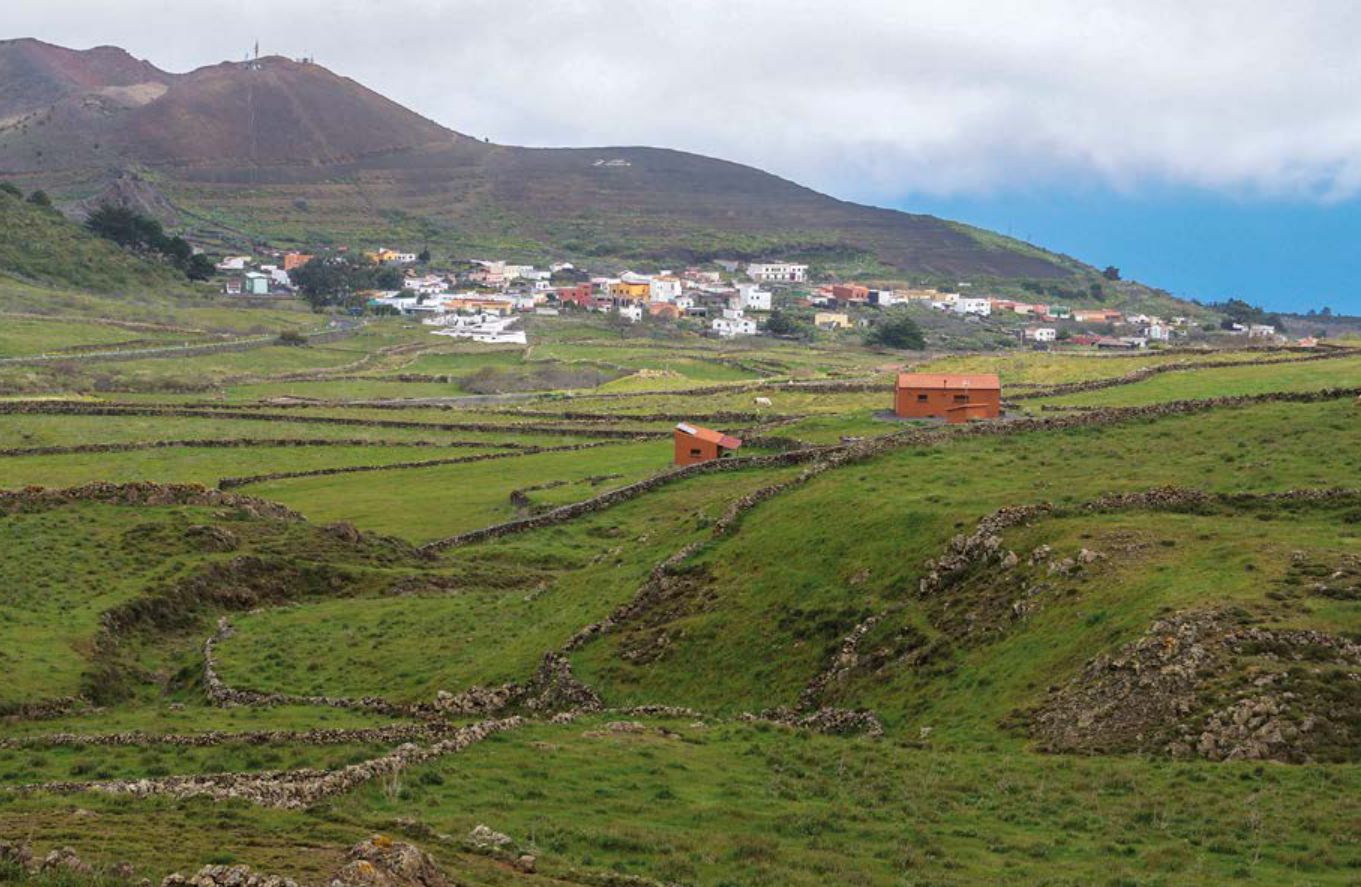
El Hierro
Invitation to collaborate
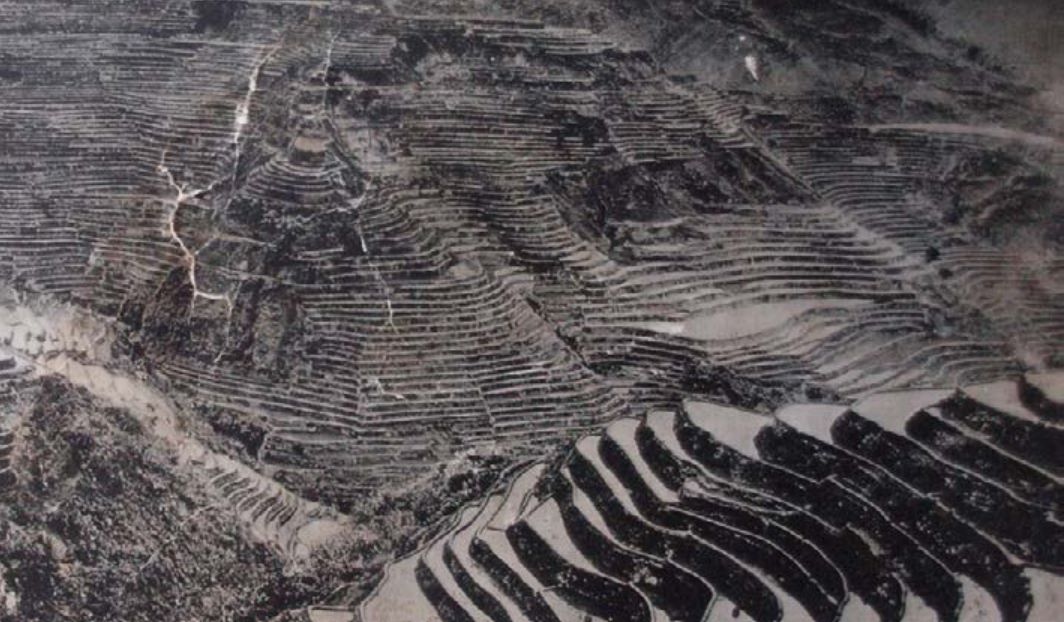
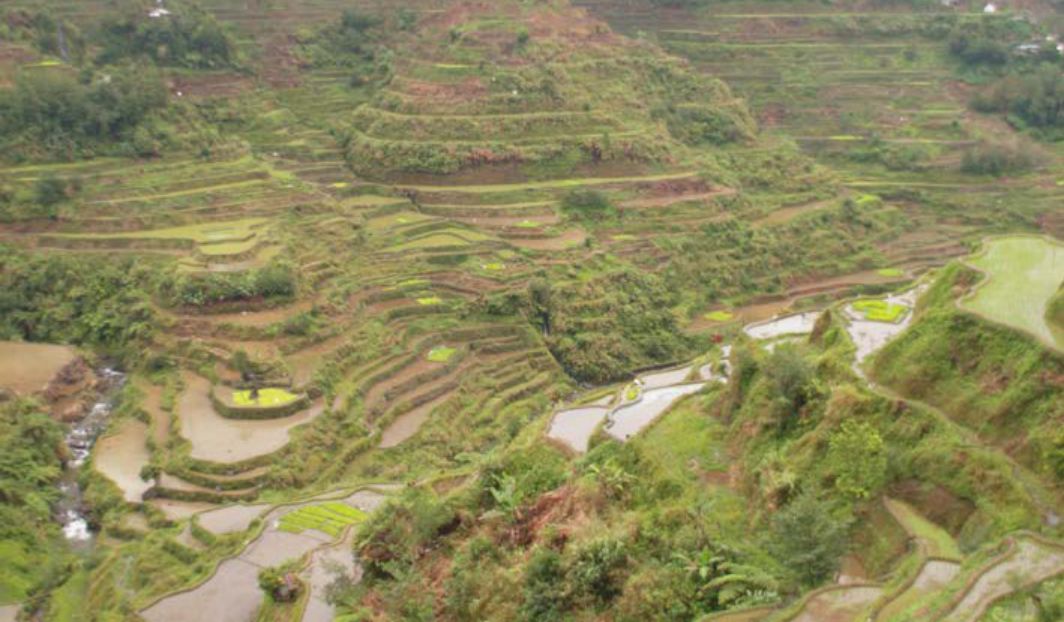
To finalise this Art Journal we include an inspiring motivation to take part in a coming Volume. One sample from Ifugao, a photograph from the Banaue Museum taken in 1920 by the American anthropologist Henry Otley Beyer – compared with an actual photo about 10 years ago during our visit to the terraced fields of the world heritage site of Ifugao arranged by Congressman Teddy Baguilat, who had attended the first International Conference in Mengzi, Yunnan, PR China.
Please send your past and present photos to Timmi Tillmann at TimmiTillmann@gmail.com
Rights and permissions
Open Access. This article is licensed under a Creative Commons CC BY 4.0 license, which permits use, sharing, adaptation, distribution and reproduction in any medium or format, as long as you give appropriate credit to the original author(s) and the source and indicate if changes were made.
About this article
Cite this article
Fernández Galván, D. (2025). Visual Chronicler of the Atlantic Terraces. The Art of Terraced Landscapes, 3(2), 1–60. https://doi.org/10.5281/zenodo.15910689
- Published
- June 2025
- Issue
- Volume 3, Number 2
- Journal
- The Art of Terraced Landscapes, ISSN 2754-7620 (Online)
- Archive
- Zenodo record 15910689
- Terraced Landscapes Conservation
- Cultural and Natural Heritage Canary Islands
- ITLA
- Terraced Landscape
- Terraces